July 15: On This Day in World History … briefly
Interesting historic snippets and facts taken from the book ‘On This Day’ first published in 1992 by Octopus Publishing Group Ltd, London.
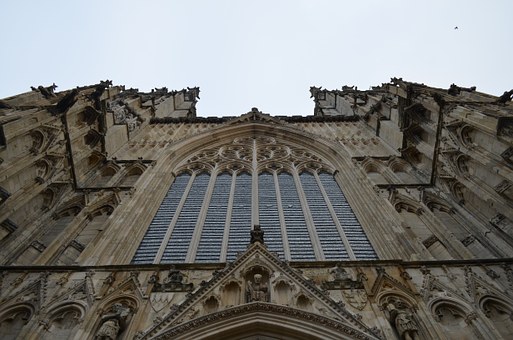
1099: Crusaders take Jerusalem
Jerusalem, long under Muslim rule, was seized by Christian Crusaders led by Godfrey of Bouillon. The capture of this ancient city and the massacre of its Jewish and Muslim citizens was the culmination of the first armed pilgrimage organised by Pope Urban II to recapture places sacred to Christians. The army of French and Norman knights assembled in Constantinople, and proceeded to march through Anatolia, capturing Antioch on June 3 the previous year before moving to Jerusalem. The massacre of the Muslim and Jewish inhabitants further hardened Muslim feeling against Christians. Jerusalem was an important city to all three religious groups: for Jews it was the focus of religious reverence and nationhood; for Christians it was significant as the scene of Christ’s final agony and triumph; and, for Muslims, Jerusalem was the goal of their prophet’s mystic night journey and was the site of the third most sacred shrine in Islam. The city had been under Muslim rule since the 7th century, with access to religious sites freely open to other groups until the takeover of Jerusalem by Seljuk Turks. The Seljuks forbade pilgrimages – hence Pope Urban’s armed crusade.
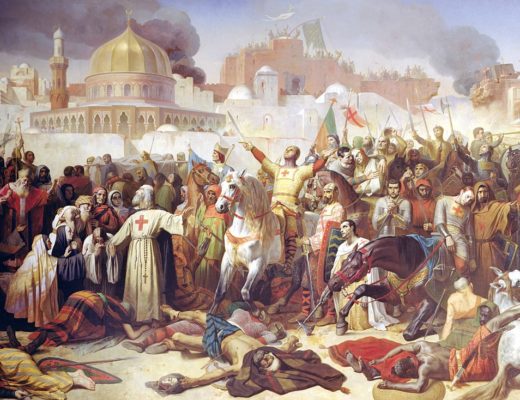
1685: James Scott, Duke of Monmouth and illegitimate son of Charles II, is beheaded in London for raising a rebellion against King James II.
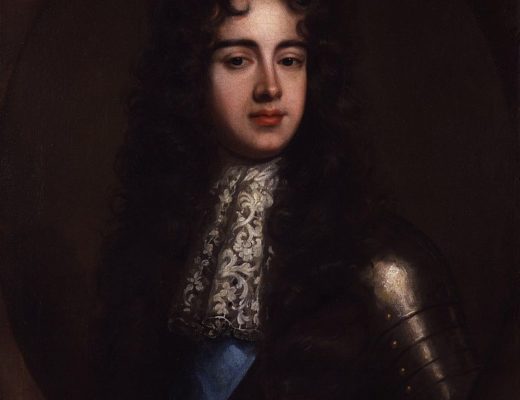
1795: ‘The Marseillaise’ written by Claude Roget de Lisle as ‘Le Chant du l’armée du Rhin’ is officially adopted as the French national anthem.
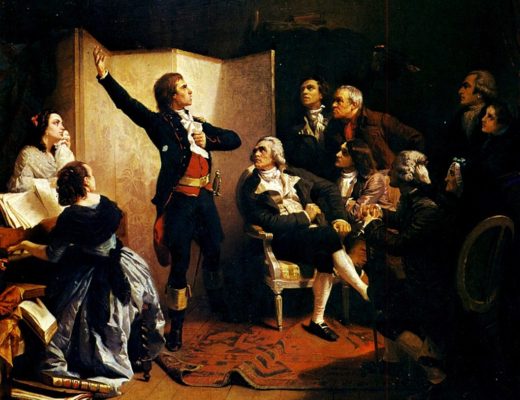
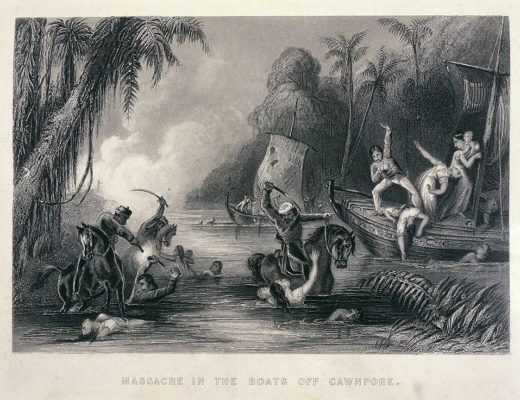
1857: As the Indian mutiny continues, 200 British men, women and children are chopped up and thrown down a well in Cawnpore.
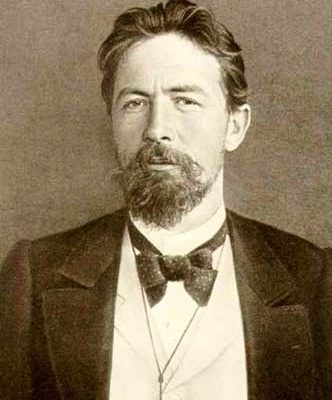
1904: Death of Anton Chekhov, Russian dramatist and short-story writer whose major plays were ‘The Cherry Orchard’, ‘Uncle Vanya’ and ‘The Three Sisters’.
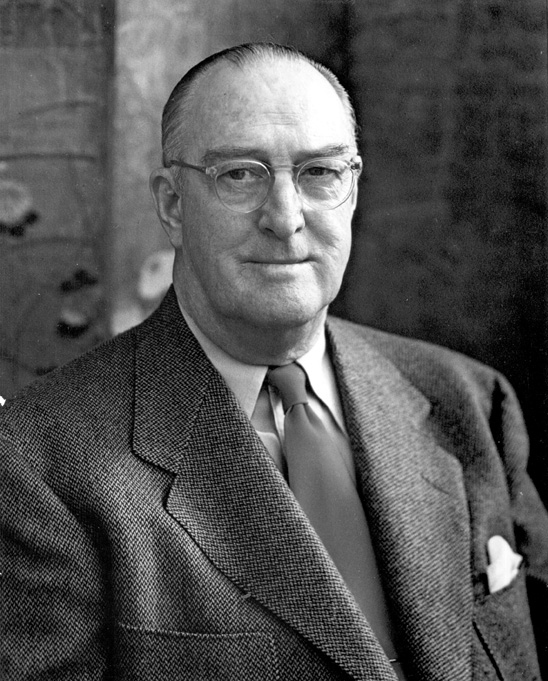
1916: Edward Boeing sets up the Pacific Aero Products Company in Seattle.
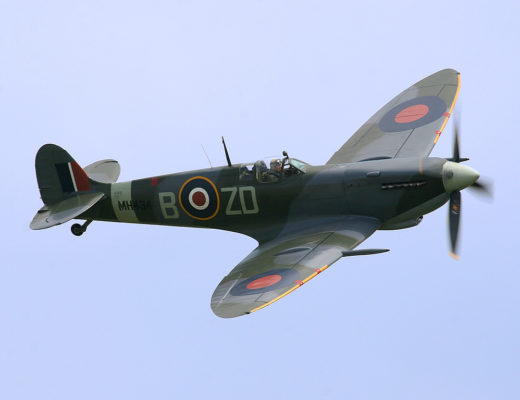
1930: The British government orders 1 000 Spitfire fighter planes.
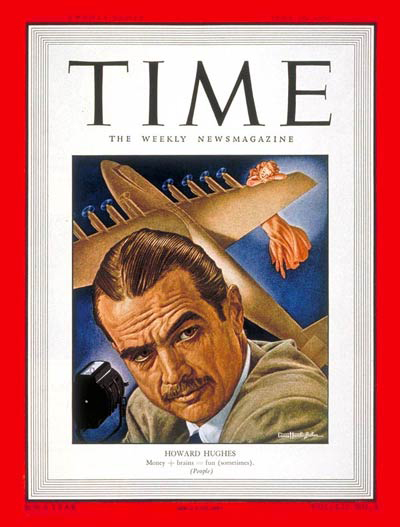
1938: New record for round-the-world flight
A new world record for round-the-world flight is set by millionaire Howard Hughes and his crew of four. Flying a twin-engine Lockheed, Hughes and his men completed the journey around the world in just three days, 19 hours and 17 minutes after take-off from Brooklyn airport. This cut the previous record set by Wiley Post five years ago by half, with a time of seven days, 18 hours. Hughes’ 14 824-mile (23 718km) flight via Paris, Moscow, Omsk, Yakutsk, Fairbanks and Minneapolis was made at an average speed of 208mph (333kph). He and his crew were greeted in New York with a ticker tape parade.
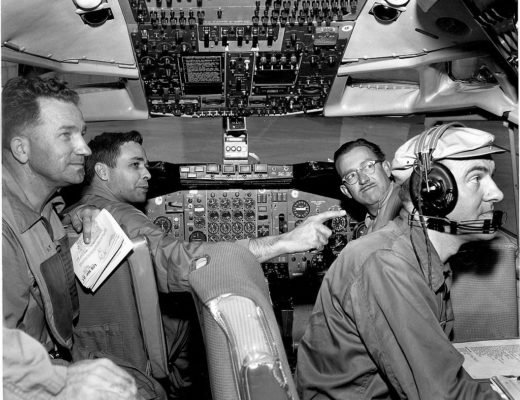
1954: Boeing 707 makes maiden flight
Boeing launches themselves into the world of jet air transportation with the maiden flight of their new Boeing 707. The new aircraft with its four engines hung on pods beneath the wings made use of Boeing’s expertise in the world of jet bomber design. The British-built de Havilland Comet showed the aviation world the advantages of jet travel. The Boeing 707, with a wing span of 130ft (39m) and length of 128ft (39m), had the capacity for 219 passengers at over 600mph (960kph). Boeing also developed the Boeing 707 in tanker form to be used by the military for mid-air refuelling. The US Air Force was suddenly interested in the aircraft after earlier reluctance.
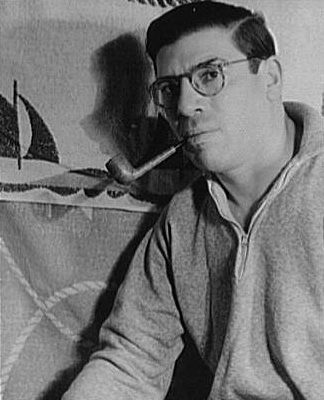
1976: Death of American novelist Paul Gallico.
1989: Eleven people are killed and 127 injured in clashes between Georgians and Abkhazians in the Abkhazia enclave of Soviet Georgia.
1989: Britain wins rugby international in Australia
The British Lions beat Australia by the narrowest margin – one point – in the third and final rugby international in Sydney, winning the series by two matches to one. They lost the opening match to Australia, but came back to win the series – the first time in the 20th century that the Lions won after losing an opening match. The victory however, was not entirely down to great British skill: it was helped by an error on the part of Australia’s David Campese, instead of kicking into touch, he ran the ball out of defence and blew a pass, allowing Lions’ player Ieuan Evans to intercept and score.
1990: In Colombo, capital of Sri Lanka, Tamil Tigers massacre 168 Muslims.
HAVE YOUR SAY
Like our Facebook page, follow us on Twitter and Instagram
For news straight to your phone, add us on BBM 58F3D7A7 or WhatsApp 082 421 6033