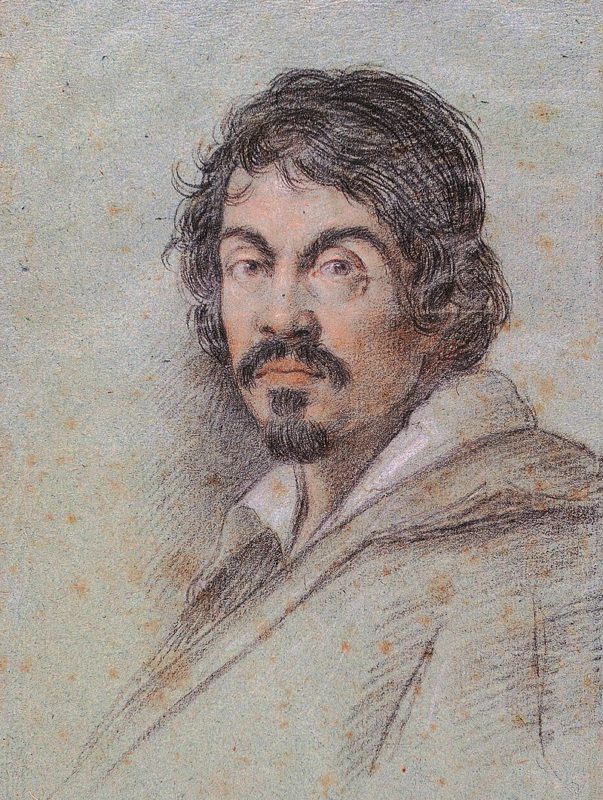
Italian artist Michelangelo Merisi da Caravaggio dies in exile in Porto Ercole at the age of 39. Caravaggio won fame and notoriety in Rome for his rejection of Renaissance ideals and insistence on painting directly onto the canvas. His use of low-life models, even in large religious works, caused much offence. Caravaggio fled Rome four years earlier after killing a companion over a game of racquet. After a brief stay in Naples he moved to Malta, but soon fell afoul of the Order of St John by assaulting the highest grade of knight. Agents of the Order were sent after the fleeing Caravaggio and remained hard on his heels until the end. The violent temper of the peripatetic artist got him into trouble in Naples where he was wounded in a tavern brawl, forcing him to move on again. Alighting in Porto Ercole, a Spanish enclave on the Tuscan coast, he found himself the victim of wrongful arrest. On release, he made frantic efforts to catch up with a ship which he thought had all his belongings on board; these were in fact Porto Ercole. This exertion brought on a fever to which he succumbed.
A portrait of the Italian painter Michelangelo Merisi da Caravaggio – Wikipedia
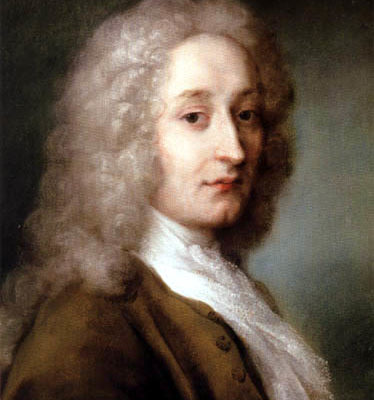
1721: French rococo painter Jean-Antoine Watteau, best-known for his ‘fetes galentes’ dies of tuberculosis aged only 36.
Watteau in the last year of his life, by Rosalba Carriera, 1721 – Wikipedia
1762: Tsar assassinated after abdicating
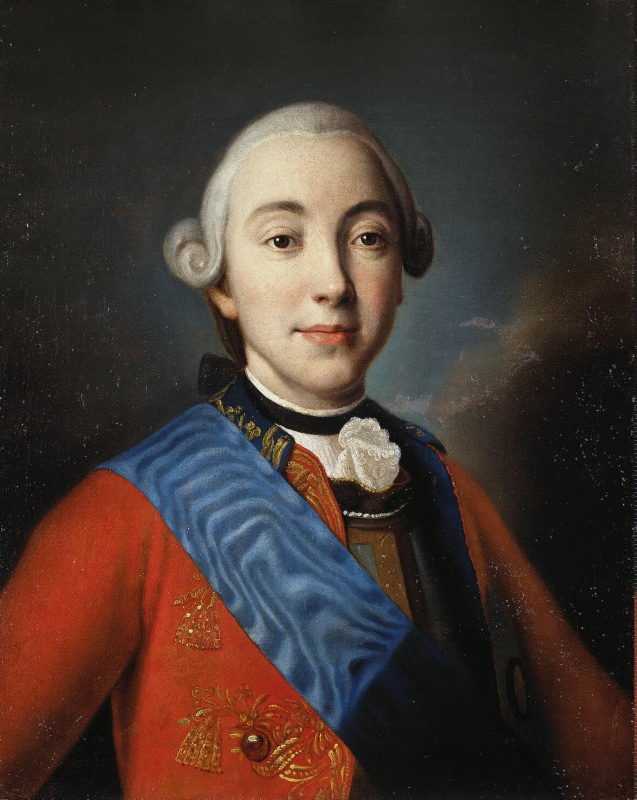
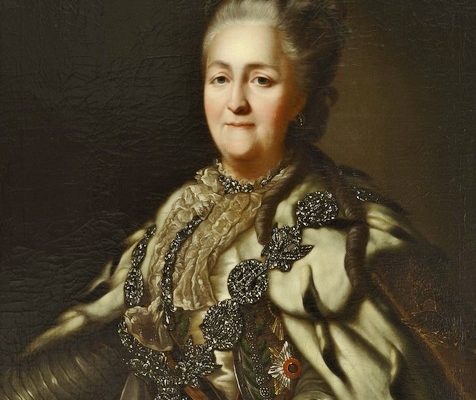
The former Tsar of Russia, Peter III, is assassinated at the village of Ropsha eight days after abdicating. He was being held in custody by Grigori Orlov, one of the ringleaders of the earlier coup to oust the unpopular Tsar in favour of his wife Catherine. Formerly Kark Ulrich, Duke of Holstein-Gottorp, Peter was an inept and insensitive ruler. He made no secret of his loathing for Russia and for the Prussian ruler Frederick the Great. One of Peter’s first moves on ascending the throne was to withdraw from The Seven Years’ War, breaking the alliance with Austria and France, and forma pact with Prussia, their former enemy. There were also indications that he was about to divorce Catherine, his wife of 17 years. She struck first however by rallying the army to her side and, with the support of the new senate and the church, having herself proclaimed empress. Although also German-born (Sophie Fredericke Auguste von Anhalt-Zerbst), the 33-year old Catherine was perceived as being wholeheartedly dedicated to Russia.
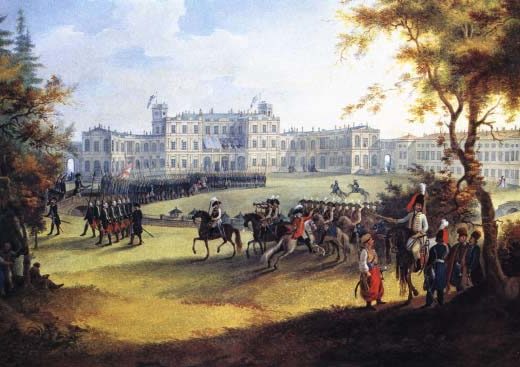
Peter III – Emperor and Autocrat of All the Russias – WikipediaCatherine the Great, born Princess Sophie of Anhalt-Zerbst, was Empress of Russia from 1762 until 1796, the country’s longest-ruling female leader. She came to power following a coup d’état when her husband, Peter III, was overthrown – WikipediaGrigory Orlov sold his huge manor and castle in Gatchina to the crown in 1783 – Wikipedia
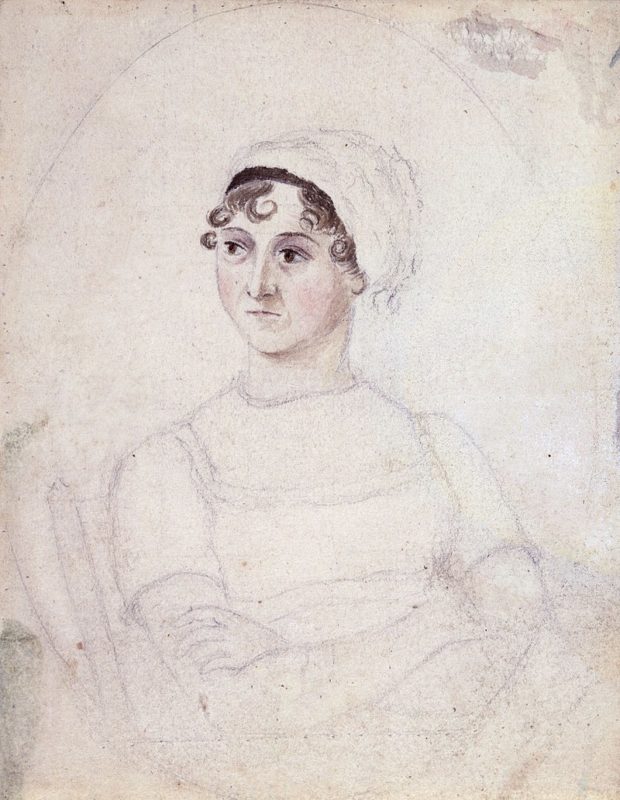
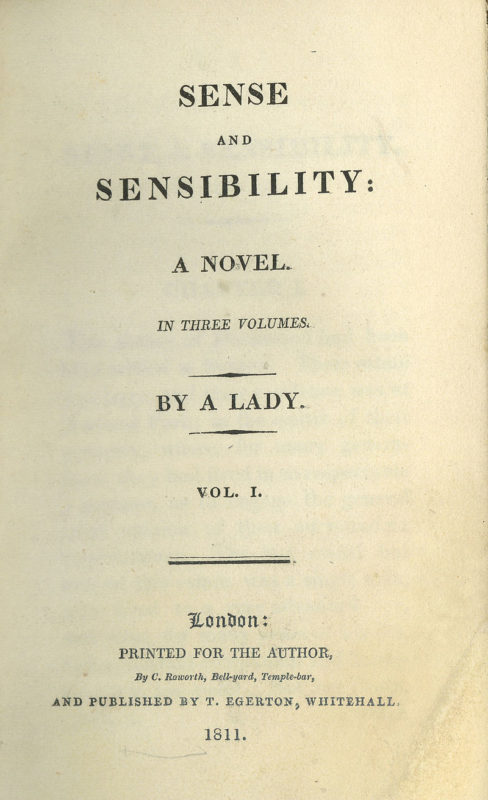
1817: Death of English author Jane Austen, whose major novels include ‘Emma’, ‘Pride and Prejudice’ and ‘Sense and Sensibility’.
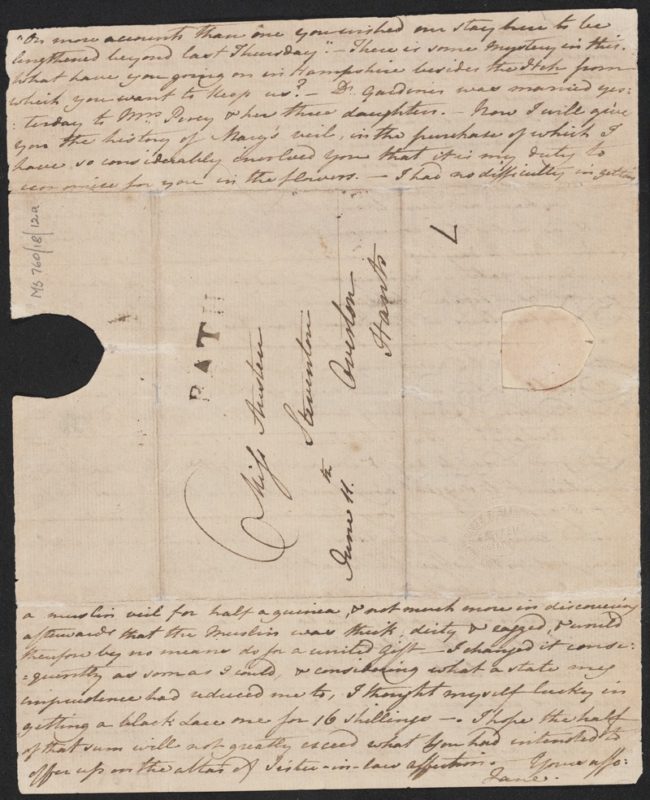
Portrait of Jane Austen in 1810 by her sister, Cassandra – WikipediaTitle page from the original 1811 edition of ‘Sense and Sensibility’ – WikipediaLast page of letter from Jane Austen to her sister, Cassandra dated 11 June 1799 – Wikipedia
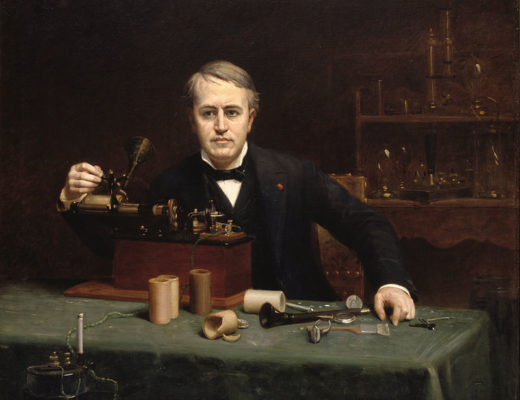
1877: Thomas Edison records the human voice for the first time.
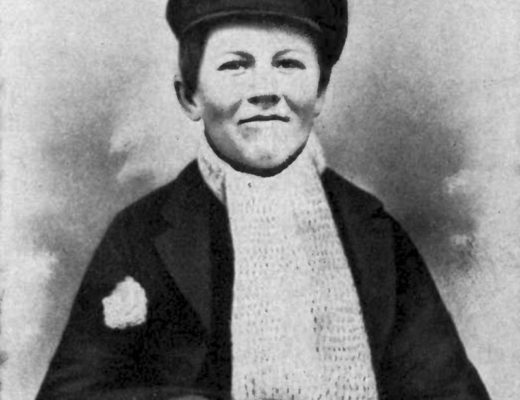
Thomas Edison as a boy – WikipediaThomas Edison by Abraham Archibald Anderson (1890) National Portrait Gallery – Wikipedia
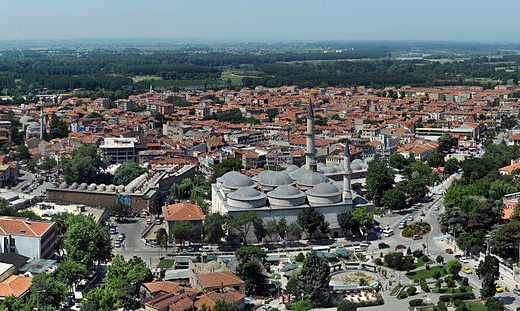
1913: Turkish forces recapture Adrianople from the Bulgarians who seized it four months previously.
Edirne, historically known as Adrianople founded by the Roman emperor Hadrian on the site of a previous Thracian settlement named Uskudama – Wikipedia
1920: 750 000 war dead commemorated
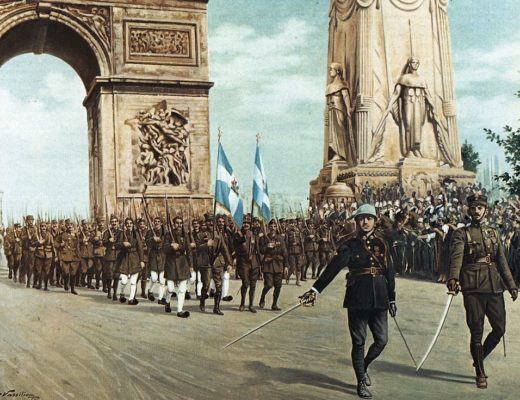
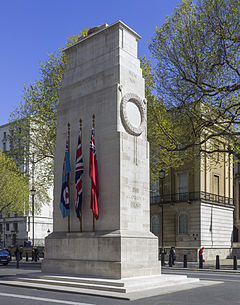
A new national monument dedicated to the ‘Glorious Dead’ of the Great War is unveiled in Whitehall. Designed in Portland stone by the distinguished architect Sir Edward Lutyens, it replaces the temporary plaster monument erected for the Allied Victory Parade in 1919. The only adornments on the new Cenotaph – from the Greek words ‘kenos’ and ‘taphos’ meaning empty tomb, are the flags of the three armed services and the Merchant Navy. The new monument would be the focal point at the Armistice Day commemoration in November. Londoners were treating it with suitable reverence by doffing their hats on passing.
Paris Victory Parade – WikipediaFor the British Empire (later Commonwealth) dead of both World Wars and the British military in later wars – Wikipedia
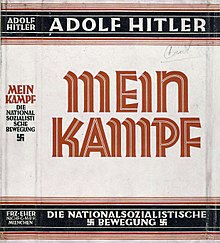
1925: Adolf Hitler publishes ‘Mein Kampf’ (My Struggle), which he wrote during a period of imprisonment for the Munich Putsch, the Nazi Party’s abortive coup against the Bavarian government.
“The great masses of the people … will more easily fall victim to a great lie than a small one.” Adolf Hitler in ‘Mein Kampf’ written from prison following an unsuccessful rising in 1923.
Dust jacket of 1926–1928 edition – Wikipedia
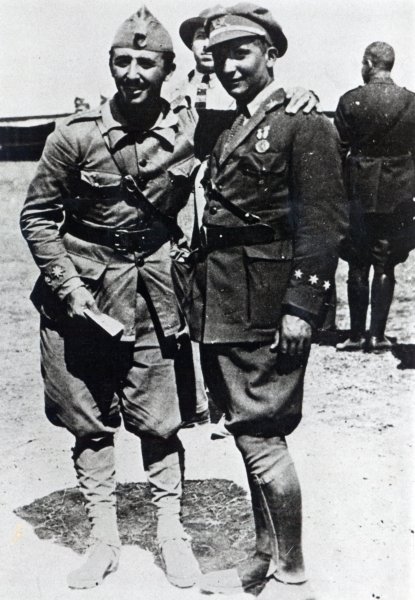
1936: Under the command of General Franco, the Spanish army rises up against the the Republican government.
Francisco and his brother Ramón in North Africa, 1925 – Wikipedia
1955: Non-stop fantasy world opens
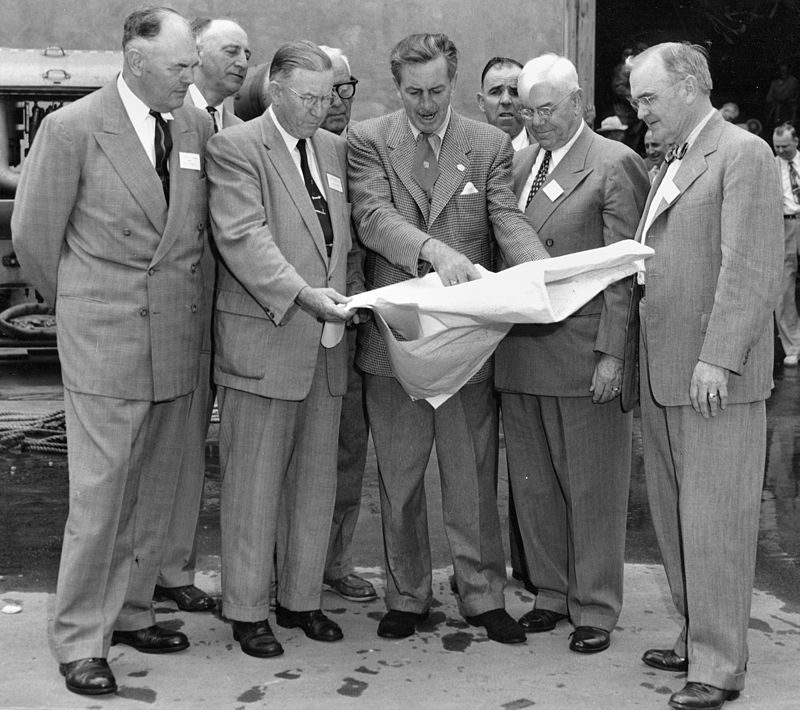
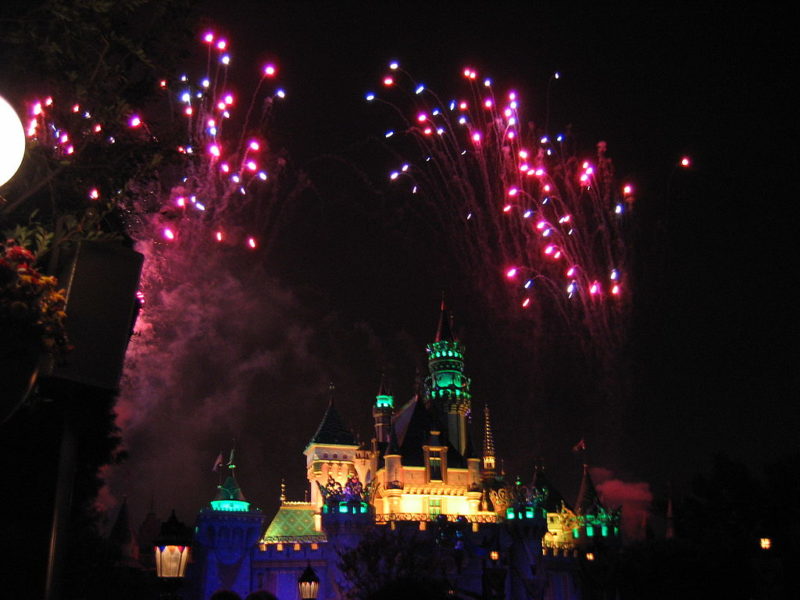
A new entertainment experience opens near Anaheim, California. The creation of film producer Walt Disney, ‘Disneyland’ aimed to involve adults and children in a non-stop fantasy world. The 160-acre amusement park was divided into four sections: Fantasyland, Fronteirland, Adventureland and Tomorrowland. Visitors could wander through a jungle filled with crocodiles and orchids, a picturesque small town street of the 1890s, or take a ride on a Mississippi steam boat or blast off on a rocket voyage to the Moon.
Walt Disney (centre) showing Orange County officials plans for Disneyland’s layout, December 1954 – WikipediaDisneyland fireworks from Sleeping Beauty Castle – Wikipedia
1984: Fast-food gunslinger kills twenty
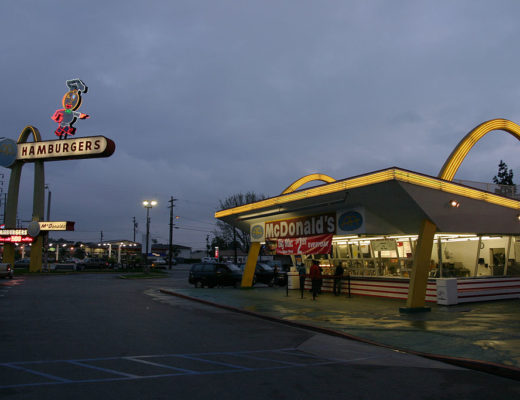
Unsuspecting customers dining on burgers and chips in their McDonalds restaurant in California were subjected to terror when a security guard begins firing at random. Twenty people were killed and 16 injured.
The oldest operating McDonald’s restaurant is the third one built, opening in 1953 located in Downey, California – Wikipedia
1989: Arap Moi torches tusks
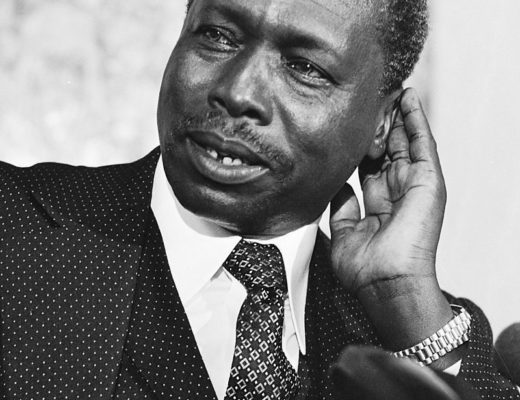
Kenya’s President Daniel Arap Moi demonstrates his personal commitment to saving elephants by putting the torch to 12 tons of stockpiled ivory worth approximately $3 million (£1.6 million). The elephant population of Kenya and Tanzania was decimated by ivory poachers. The leaders of both countries called for an immediate permanent ban on the trade of ivory in the hope of remedying the problem.
President Moi in 1979 – Wikipedia
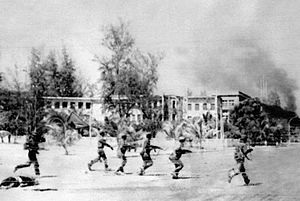
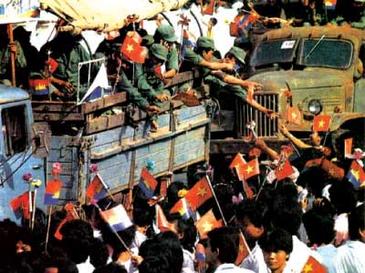
1990: Talks begin in Washington between the US and Vietnam over the future of Cambodia.
Vietnamese soldiers entering Phnom Penh, Cambodia, in January 1979 – Wikipedia10 years of the Vietnamese occupation of Kampuchea officially ended on 26 September 1989, when the last remaining contingent of Vietnamese troops were pulled out. The departing Vietnamese soldiers received much publicity and fanfare as they moved through Phnom Penh, the capital of Kampuchea – Wikipedia
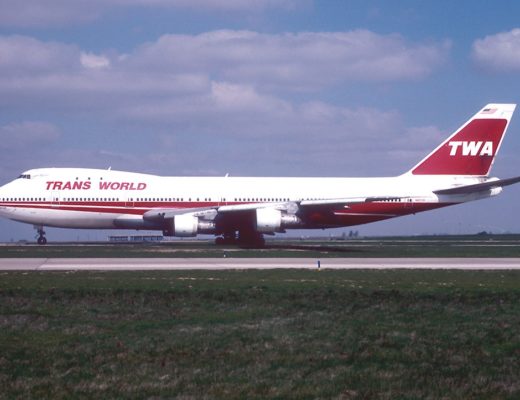
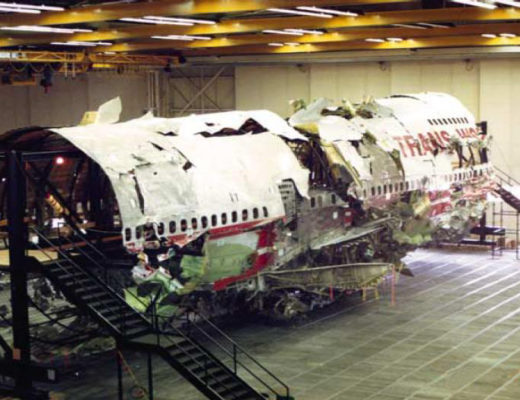
1996: TWA flight 800 explodes over Long Island, New York, killing all 228 passengers on board.
The TWA plane at Charles de Gaulle Airport in May 1995 – WikipediaA photograph of the right side of the large three-dimensional reconstruction, with the support scaffolding visible – Wikipedia
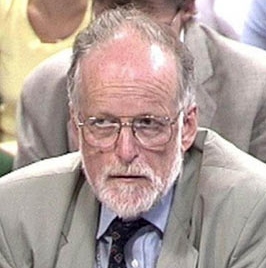
2003: Iraqi weapons expert Dr David Kelly is found dead.