July 19: On This Day in World History … briefly
Interesting historic snippets and facts taken from the book ‘On This Day’ first published in 1992 by Octopus Publishing Group Ltd, London.

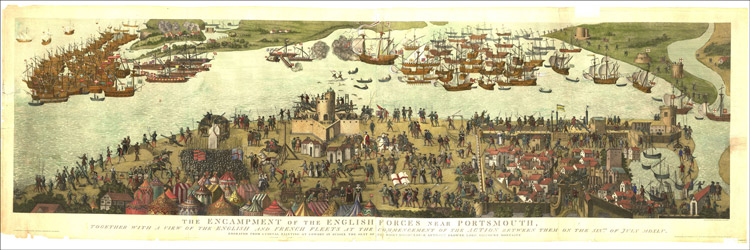
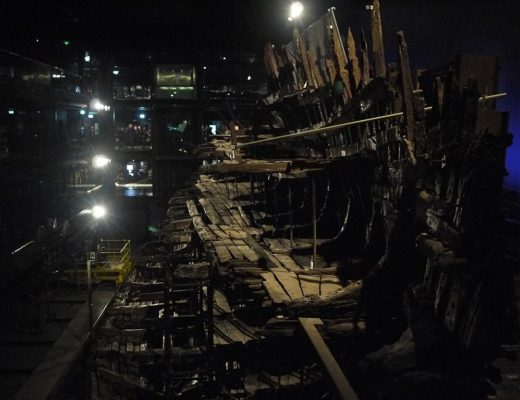
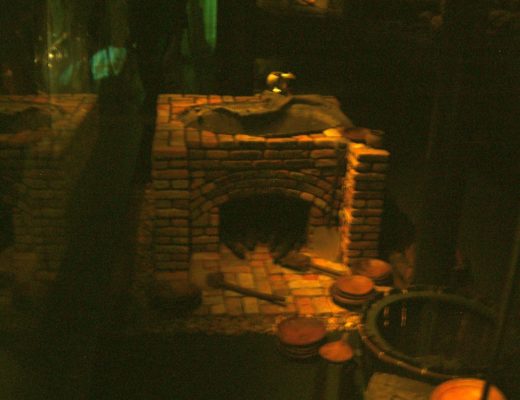
1545: King Henry VIII’s battleship ‘The Mary Rose’ sinks in the Solent, off the south coast of England, with the loss of 700 lives.
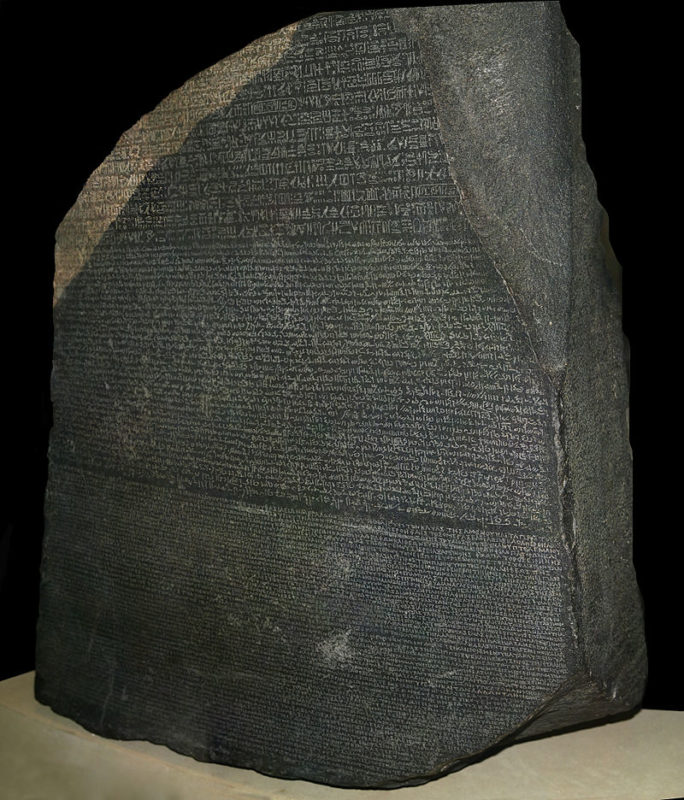
1799: A stone slab inscribed with hieroglyphics is found at Rosetta, near Alexandria, Egypt.
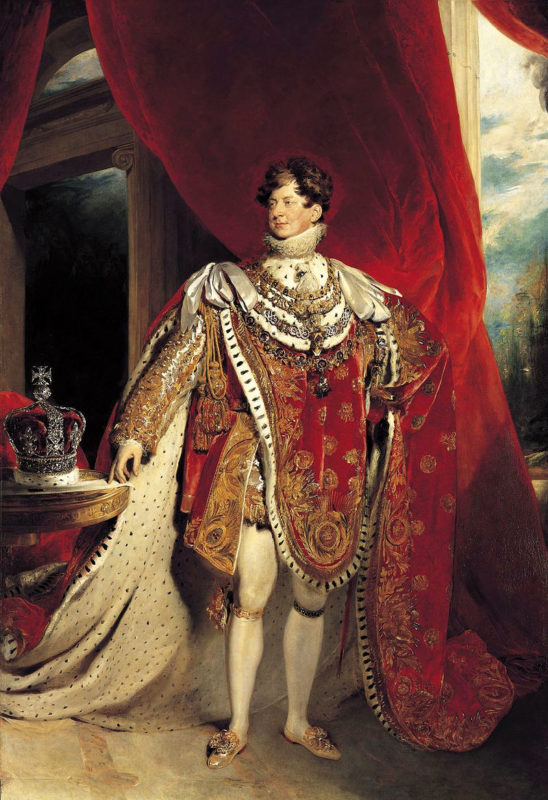
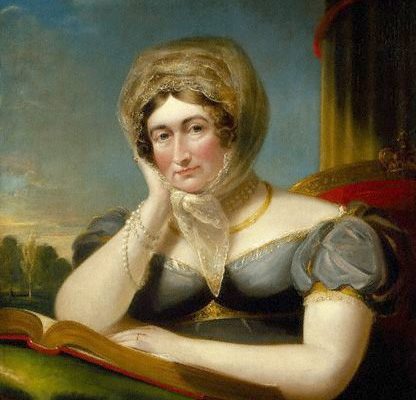
1821: George IV is crowned King of England, but his estranged wife Caroline of Brunswick is barred from the ceremony.
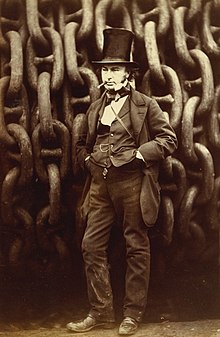
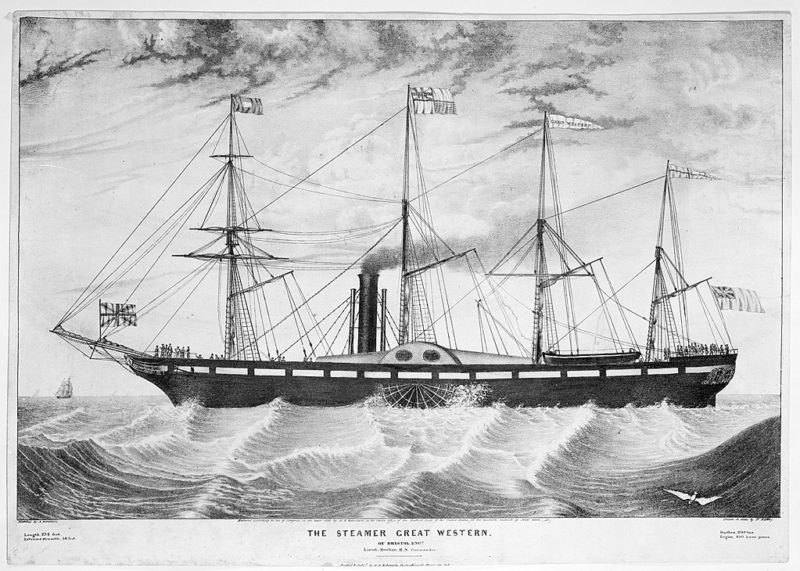
1837: Isambard Kingdom Brunel’s steamship ‘Great Western’ is launched at Bristol.
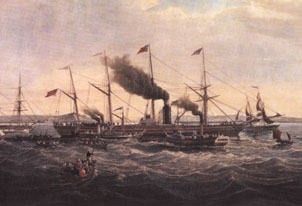
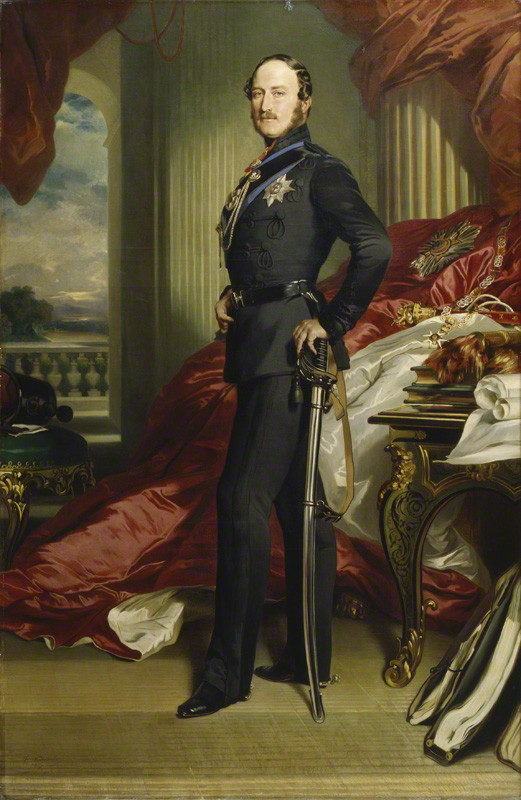
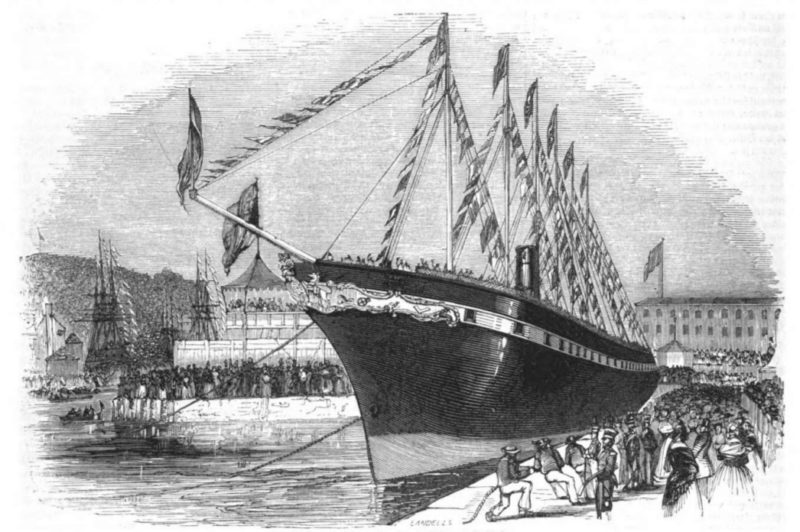
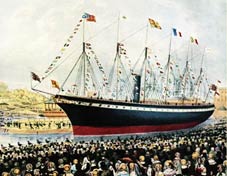
1843: Prince Albert launches world’s largest ship
The Prince Consort of the United Kingdom, Albert, launches the world’s largest ship, the 3 270-ton, 322-ft (98m) long Atlantic liner ‘The Great Britain’. The all-metal vessel was originally designed by Isambard Kingdom Brunel (see above) as a paddle steamer. She was since fitted with screw machinery, supplemented by sails on six masts.
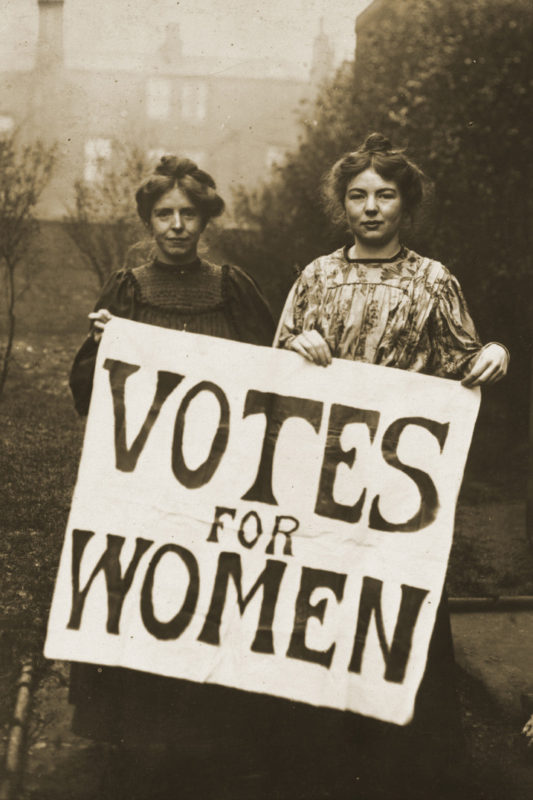
1848: The first women’s rights assembly begins at Seneca Falls, New York state.
1849: Sayid Ali Mohammed, founder of the Bathai religious sect, is executed in Persia by order of the Shah.

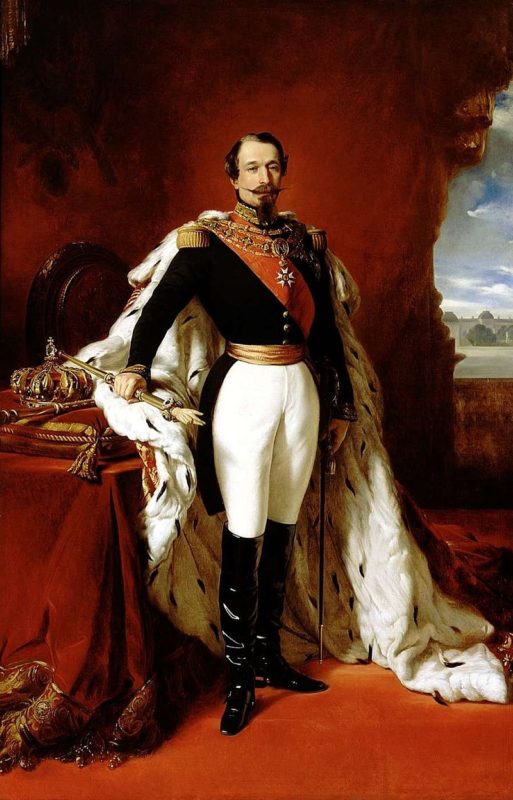
1870: Napoleon III declares war on Prussia.
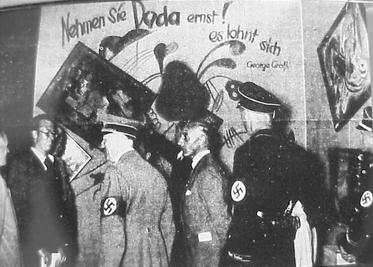
1937: Nazi style rules
Those wishing to discover what constituted art in Hitler’s Third Reich had to make their way to the Bavarian capital Munich, where two strikingly different exhibitions were mounted for that purpose. What the Fuhrer described as ‘true German art’ is of lofty subjects such as patriotism and family life and rendered in a stiff, academic style. ‘Degenerate, Bolshevik and Jewish art’ on the other hand, was all modern art. Artists whose works were classified as ‘degenerate’ included Beckmann, Chagall, Dix, Grosz, Kandinsky, Dlee, Kokoschka and Modersohn-Becker. In 1933, Goebbels ordered that ‘all artistic productions with cosmopolitan or Bolshevist tendencies’ had to be removed from German museums and galleries. The examples of ‘degenerate’ art on show were taken from a stockpile of about 20 000 modern works seized at the time. According to one SS officer, the steel helmet was the most perfect object ever created.
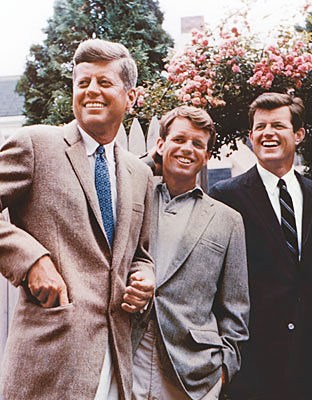
1969: Cloud over Kennedy’s future
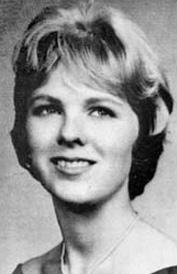
Senator Edward Kennedy gave the appearance of a man destined to become the Democratic Party’s presidential candidate in 1972, but now looked like a man fighting for his political life. The 37-year old senator was involved in an automobile accident on July 18 (the day before) in which his passenger, 28-year old Washington secretary Mary Jo Kopechne, died. The car was alleged to have swerved off a narrow bridge on Chappaquiddick Island, Massachusetts, and plunged into a pond. Serious questions were raised about the senator’s conduct, not least his decision to leave the scene of the accident and not contact the police until several hours later.
1970: The first all-metal liner, Brunel’s ‘Great Britain’ is brought back to Britain from the Falklands.
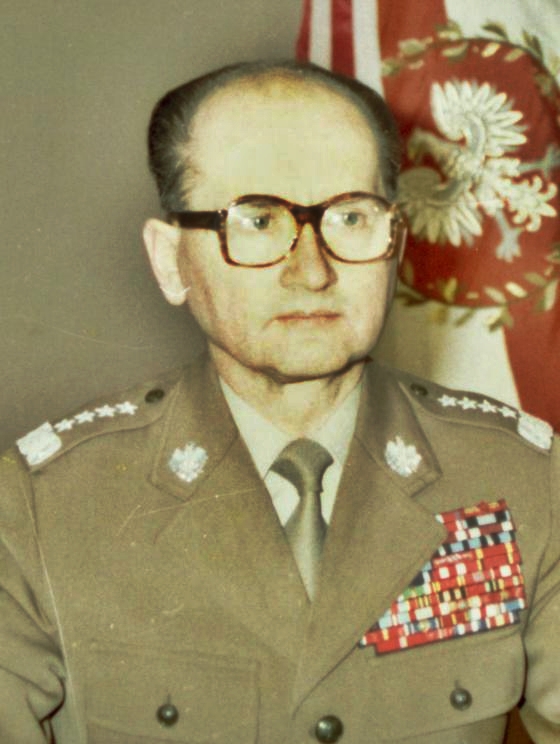
1989: Two-way reluctance in Poland
General Wojciech Jaruzelski, the man who imposed martial law eight years previously, is voted in as Poland’s first president. The general won the required 50 percent majority of valid votes by a mere one vote: 270 parliamentary deputies voted for him, 233 against and 34 abstained. Four Solidarity representatives declined to participate in the election, declaring it unlawful because Jarulzelski was the only candidate. The problems facing the new president were daunting: a bankrupt economy, no effective government and a resentful and cynical population. Jaruzelski was reluctant to offer himself for election, but to have turned his back would, in his words, ‘contradict the duties of a politician and soldier and also the logic of my public service in recent years.’
1997: IRA ceasefire announced
The IRA announces a new ceasefire, its second in three years. It comes after republican political party Sinn Fein urges the IRA to call a truce, but the speed of the response surprised many commentators. Northern Ireland Secretary Mo Mowlam would monitor IRA activity over the next few weeks to decide whether Sinn Fein would be admitted to the all-party peace talks scheduled for September. Sinn Fein President Gerry Adams said he supported the new ceasefire because of the ‘commitment by the two governments to inclusive peace talks.’

2001: Novelist and former Conservative deputy Chairman Lord Archer is sentenced to four years in prison for perjury and perverting the course of justice.

HAVE YOUR SAY
Like our Facebook page, follow us on Twitter and Instagram
For news straight to your phone, add us on BBM 58F3D7A7 or WhatsApp 082 421 6033