July 21: On This Day in World History … briefly
Interesting historic snippets and facts taken from the book ‘On This Day’ first published in 1992 by Octopus Publishing Group Ltd, London.
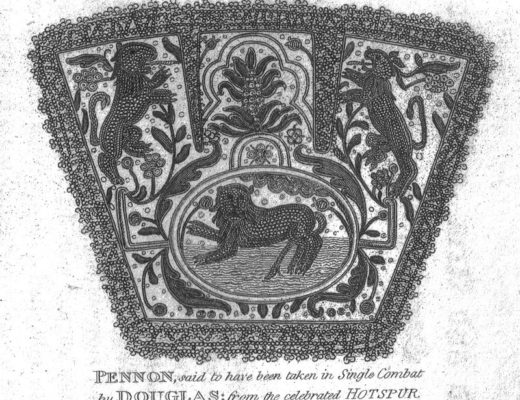
1403: Sir Henry Percy, known as Harry Hotspur, is killed in battle near Shrewsbury while trying to overthrow King Henry IV.
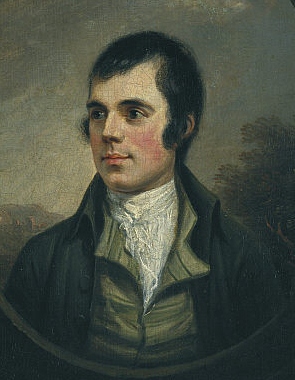
1796: Robert Burns dies in hardship
Scotland’s official Poet Laureate, Robert Burns, dies in Dumfries at the age of 37. His premature death from rheumatic heart disease was attributed to the privations and hardship of his years as a struggling tenant farmer. Burns’ success as a poet began on publication of his first volume, entitled ‘Poems, Chiefly in the Scottish Dialect’. Country people and Edinburgh sophisticates found much to admire in the book’s blend of social satire, verse letters, nature poems and high-minded idealisation of family life. Burns’ low social status however prevented him from truly finding his niche, despite his undoubted intellectual abilities. He spent the last seven years of his life collecting and providing words for traditional Scottish tunes as well as working for the excise service.
1798: Napoleon defeats the Marmelukes at the Battle of the Pyramids.
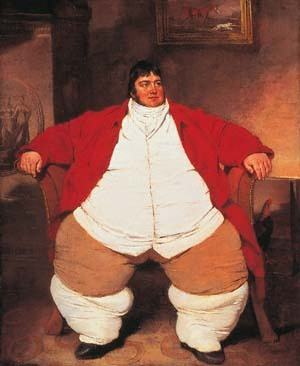
1809: Mr Big dies
Daniel Lambert, famed for his corpulence, dies suddenly at the Waggon and Horses Inn in Stamford. Lambert’s weight did not begin to increase considerably until the early 1790s when he succeeded his father as keeper of Leicester Prison. In 1793, he weighed 32 stone, despite an active and teetotal lifestyle. After resigning from the prison on an annuity of £50 ($92) a year, he began to turn his ‘mortal hugeness’ to financial gain. He went to London and in April 1806 ‘received company’ between the hours of 12am and 5pm at 53 Picadilly. The following year he began touring the English shires. At the time of his death, Lambert weighed 52 and a half stone.
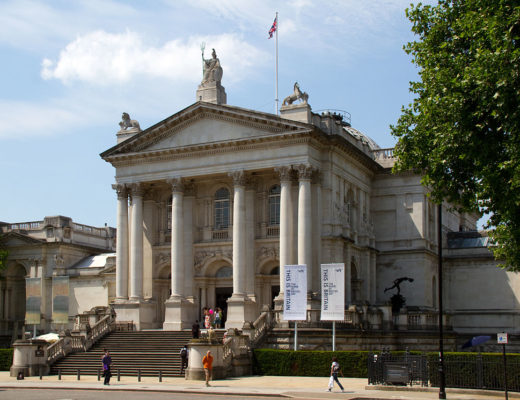
1897: The Tate Gallery opens in London.
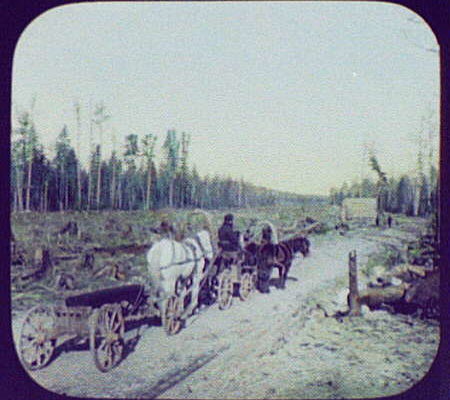
1904: The Trans-Siberian railway is completed after 13 years’ work.
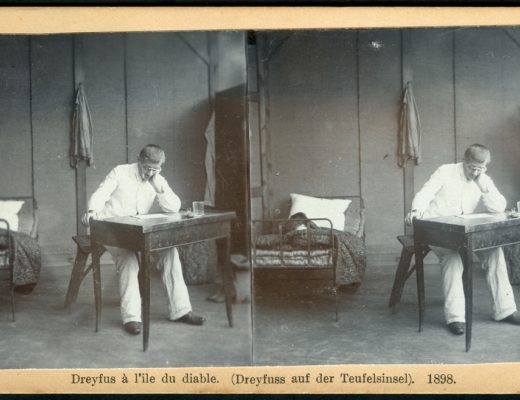
1906: Eleven years after his conviction on grounds of treason, Captain Alfred Dreyfus is pardoned and made a member of the Legion d’Honneur.
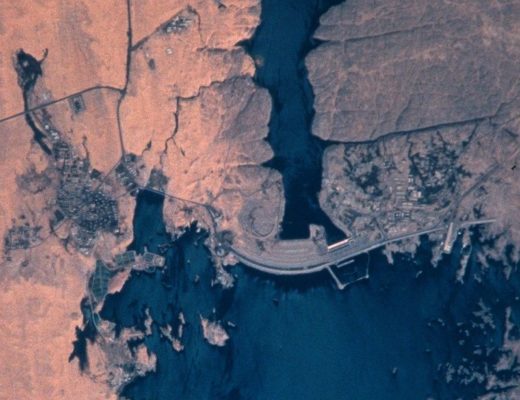
1954: Britain, the US and the World Bank turn down President Nasser’s plea for aid to build the Aswan Dam on the River Nile.
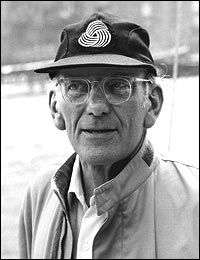
1960: Sir Francis Chichester arrives in New York on his solo round-world journey, having crossed the Atlantic in a record-breaking 40 days.
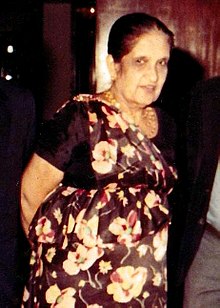
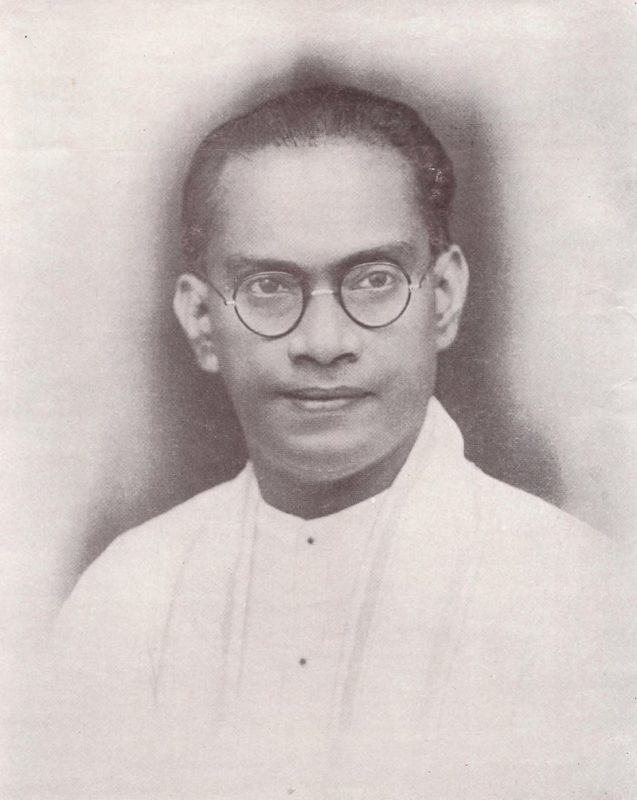
1960: Mrs Sirimavo Bandaranaike, widow of the murdered prime minister of Sri Lanka, Solomon Bandaranaike, replaces him and becomes the first woman prime minister in the world.
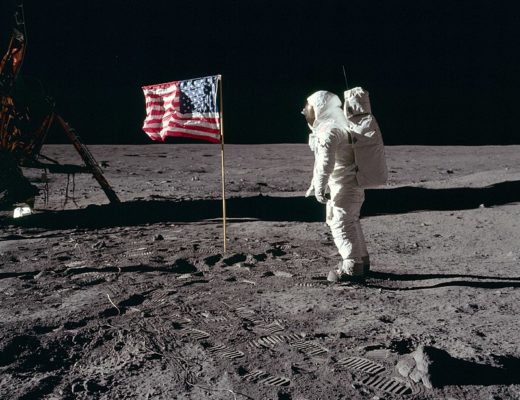
1969: The Eagle lands
US astronauts Neil Armstrong and Edwin Aldrin complete the most breath-taking and perhaps the most hazardous part of the historic Apollo 11 space mission. Michael Collins remained in the command-service part of the spacecraft, known as Columbia, while his two colleagues manoeuvred the lunar module called ‘Eagle’ onto the surface of the Moon. Six and a half hours after landing, Armstrong began what the hundreds of millions of television viewers around the world had been waiting for: the first Moon walk in human history, He stepped out onto the fine and powdery surface with the words ‘That’s one small step for man, one giant step for mankind.’ During a two-hour moon walkabout the astronauts set up various scientific devices, and took rock samples and many photographs.
1985: Treasure hunt ends in triumph
A 20-year search for gold, silver and jewels in the wreck of a Spanish galleon ended in triumph for chicken farmer-turned-treasure-hunter Mel Fisher. His divers found about half the original $400 million worth (£217 million) of booty in the wreck of ‘Nuestra Senhora de Atocha’, 40 miles west of Key West, Florida. The galleon was one of nine Spanish ships sunk by a hurricane in 1622.
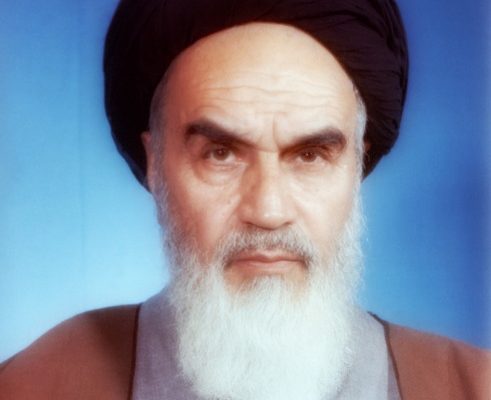
1988: Khomeini ends war – reluctantly
The eight-year Iran-Iraq war is ended by Iran’s spiritual leader Ayatollah Ruhollah Khomeini. A statement read on Iran radio the previous day declared that Khomeini was prepared to accept UN Security Council Resolution 598, which called for a ceasefire. Khomeini had sworn to fight on until Iran had won total victory over Iraq and its leader Saddam Hussein, including his overthrow. In a statement, Khomeini said the decision was ‘more deadly than taking poison’. The cost of the war had been high for both sides: an estimated 1 million killed, 1.7 million wounded, 1.5 rendered homeless and major cities reduced to rubble. A staggering $400 billion of the two nations’ resources had also been expended in the struggle.
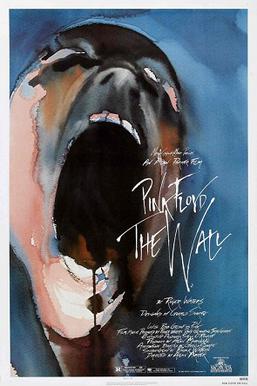
1990: At an open-air rock concert in Berlin, Roger Waters of the group Pink Floyd performs ‘The Wall’ while a symbolic Berlin Wall is built and knocked down.
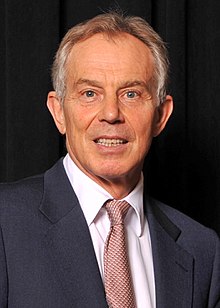
1994: Tony Blair is elected leader of the Labour Party in Britain.
HAVE YOUR SAY
Like our Facebook page, follow us on Twitter and Instagram
For news straight to your phone, add us on BBM 58F3D7A7 or WhatsApp 082 421 6033