July 23: On This Day in World History … briefly
Interesting historic snippets and facts taken from the book ‘On This Day’ first published in 1992 by Octopus Publishing Group Ltd, London.
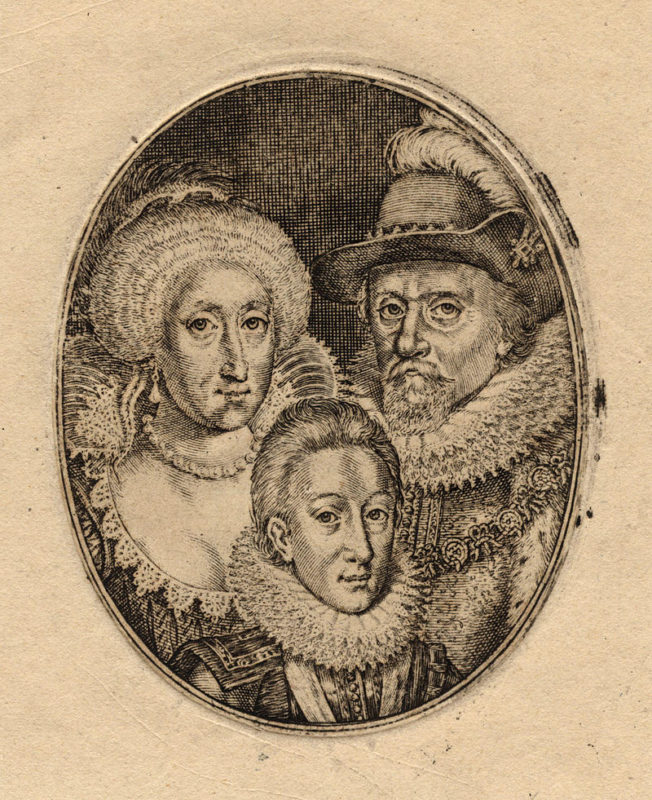
1637: King Charles I of England loses a court battle over the control of Massachusetts and power is handed over to Ferdinand Gorges, a member of New England’s governing council.
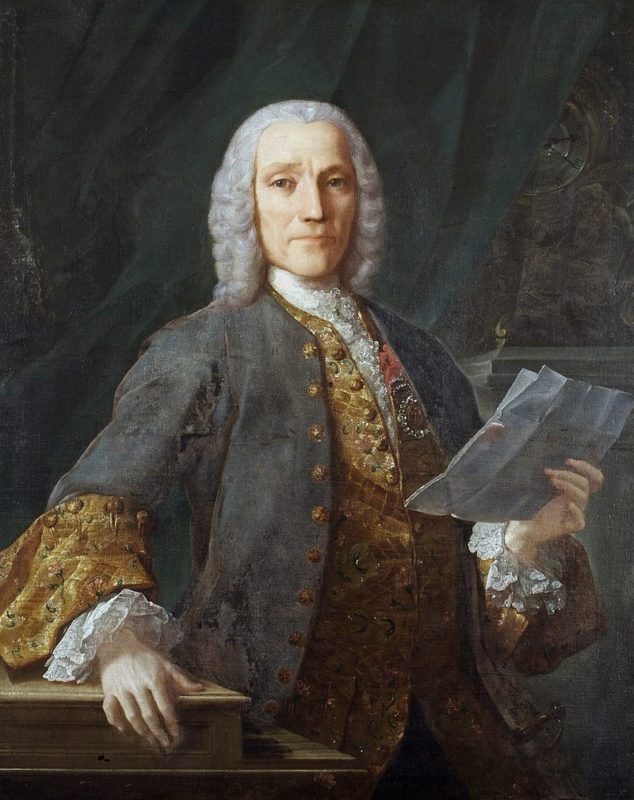
1757: Death of Domenico Scarlatti, Italian composer, organist and harpsichordist who wrote more than 400 innovative harpsichord sonatas.
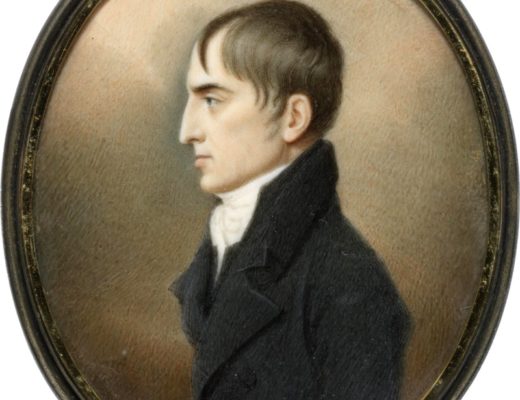
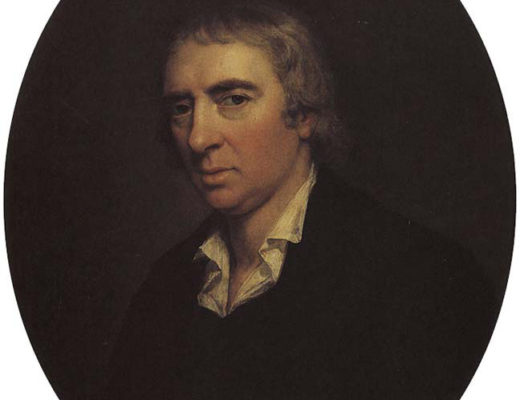
1803: Uprising ends on a downer
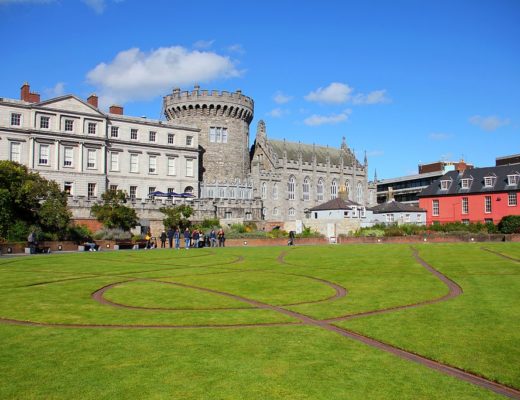
The confused rebellion mounted in Dublin did not augur well for the future of the cause of Irish nationalism. A combination of bad planning and misunderstanding prevented the various contingents of rebels from launching a coordinated attack. The architect of the uprising, 25-year old Robert Emmet and his small band found themselves marching on Dublin Castle alone. All they could achieve was the murder of Lord Kilwarden, the Lord Chief Justice and his nephew. An operation to round up the insurgents was immediately organised. Emmet, who spent from 1800 to 1802 with the exiled leaders of the United Irishmen in France, was believed to be hiding in the Wicklow Mountains.
1914: Tension mounts in Europe
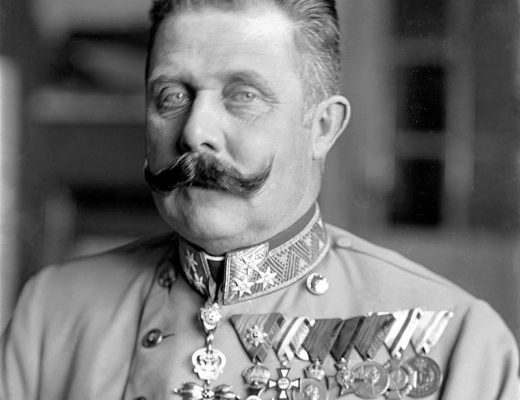
The Austro-Hungarian government issues an ultimatum to Serbia in the aftermath of the murder of Archduke Franz Ferdinand, the heir to the throne of Austria-Hungary. It demanded that all anti-Austrian activities on Serbian territory be forbidden, that one of the main Serbian nationalist parties, Narodna Odbrana, be outlawed and that Austrian officials be allowed to participate in the inquiry into the Archduke’s assassination. If Serbia did not agree to the conditions, Austria-Hungary would mobilise her forces. Serbia was in a cleft-stick: agreement would signify willingness to relinquish sovereignty; refusal would lead to a Europe-wide conflict.
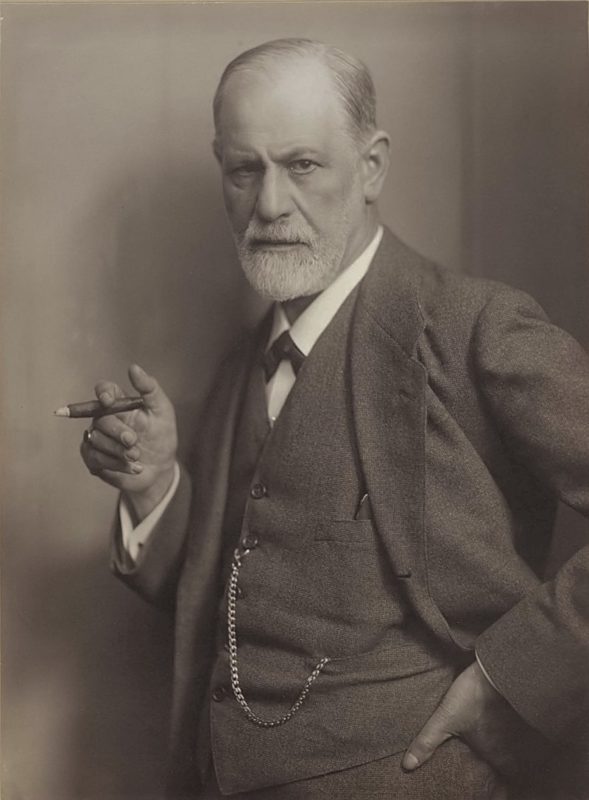
1914: Freud dominates International Psychoanalytic Association
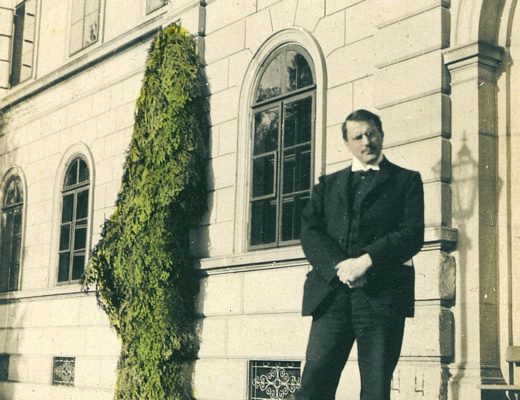
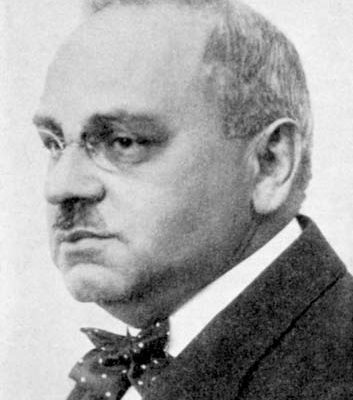
The wrangle which brought about the resignation of the president of the International Psychoanalytic Association, Carl Gustav Jung, in April seemed to have secured the future of the Freudian movement in a cast that was acceptable to its founder, Sigmund Freud. The 58-year old Vienna-based doctor circulated to all members of the Association his ‘History of the Psychoanalysis Movement’ – his personal view of the dissent that had riven the movement in recent years. The paper made it plain that the ideas of Jung did not square with Freudian theory. Perhaps the most contentious issue between the two men had been the definition of the term ‘libido’, which for Freud signified sexual energy and for Jung also encompassed a general mental energy. The departures of Jung, Adler and Stekel left the Association in the hands of men dedicated to Freud’s ideas.
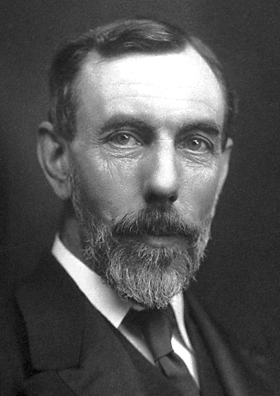
1916: Death of Sir William Ramsay, Scottish chemist who isolated neon, xenon and krypton and discovered helium.
1940: Who do you think you’re kidding, Mr Churchill?
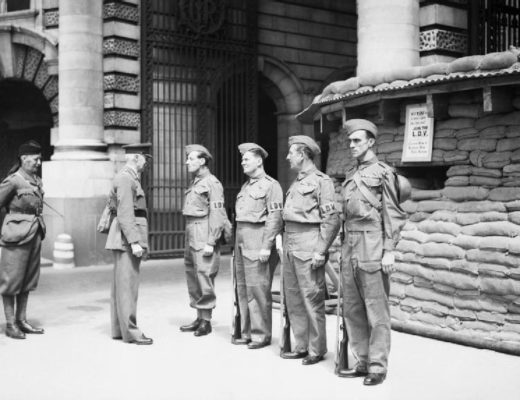
The auxiliary force raised in Britain at the beginning of the French campaign in June was finally given a new name. The Local Defence Volunteers were from then on known as the Home Guard. The one-million strong force, which had many WWI veterans in its ranks, was intended to protect Britain against the expected German invasion. The men who formed Britain’s last line of defence may have been bemused as much as encouraged by Prime Minister Churchill’s proposed slogan ‘You can always take one with you’ – wags may have felt tempted to suggest the insertion of the word ‘home’. Weapons were scarce and it was doubtful whether enthusiasm alone would offer effective resistance to Adolf Hitler’s hordes of well-trained Aryan supermen.
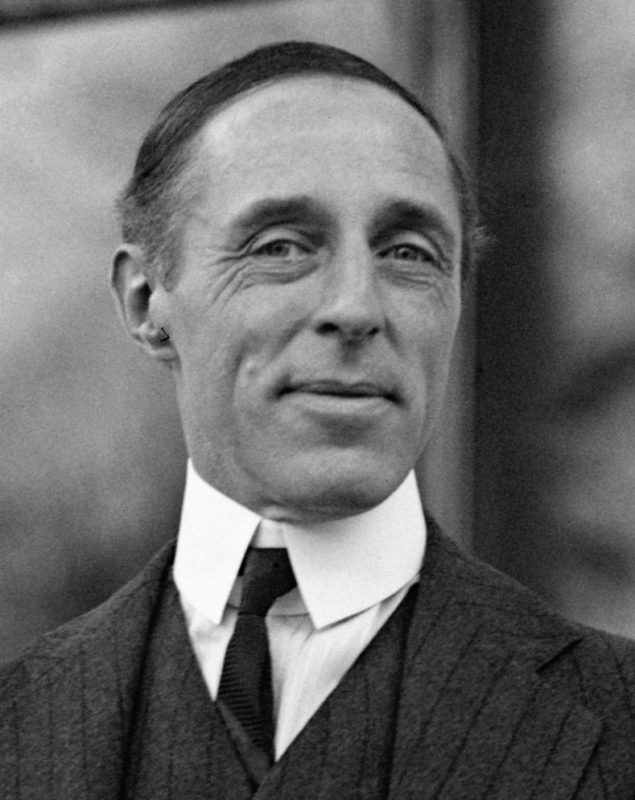
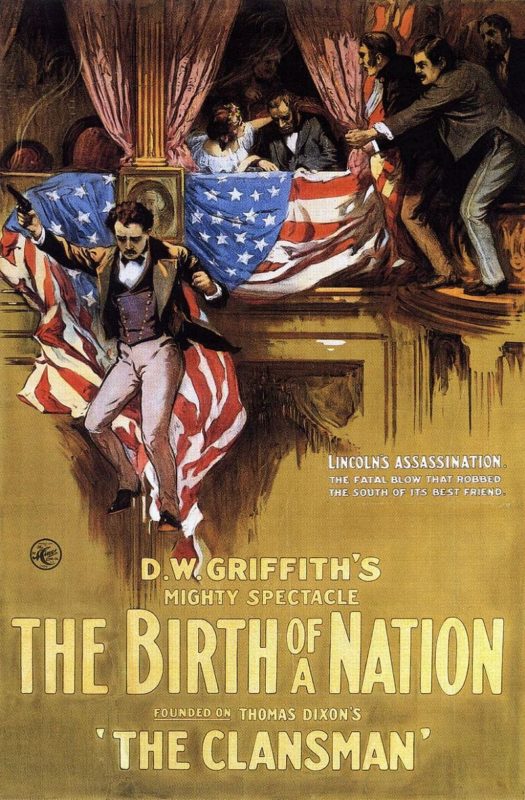
1948: Death of DW Griffith, American film director most noted for ‘Birth of a Nation’.
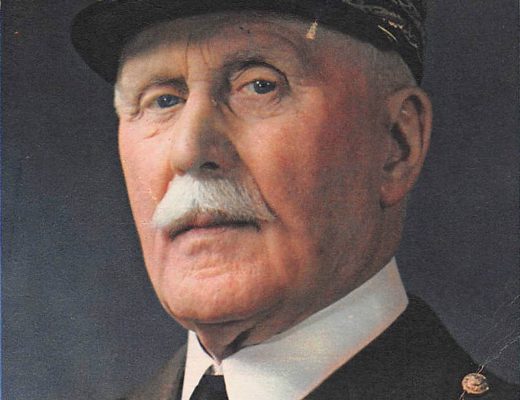
1951: Philippe Pétain, French general and statesman who headed the collaborationist Vichy government in WWII, dies in prison at 95, having been reprieved from a death sentence imposed in August 1945.
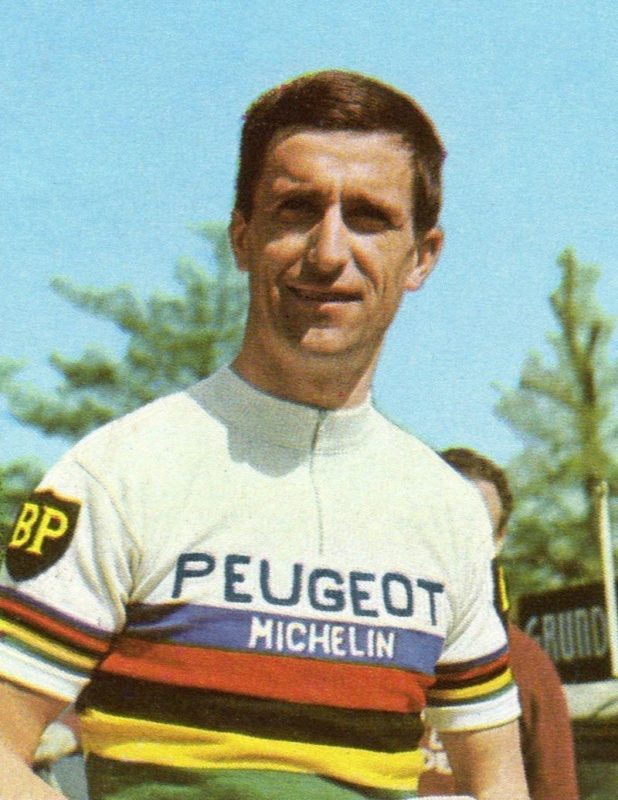
1967: British cyclist Thomas Simpson collapses and dies during the Tour de France.
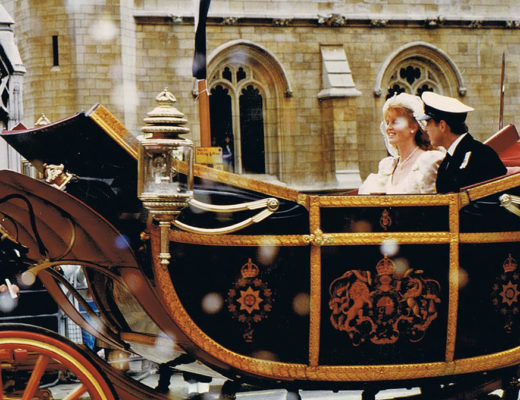
1986: Prince and commoner wed
Prince Andrew and commoner Sarah Ferguson tie the knot at Westminster Abbey. The couple, both 26, met in 1985 at Ascot and gave news of their engagement in March. Shortly before the ceremony, the Queen announced that she had conferred on Andrew the title of Duke of York – traditionally reserved for the sovereign’s second son.
HAVE YOUR SAY
Like our Facebook page, follow us on Twitter and Instagram
For news straight to your phone, add us on BBM 58F3D7A7 or WhatsApp 082 421 6033