July 25: On This Day in World History … briefly
Interesting historic snippets and facts taken from the book ‘On This Day’ first published in 1992 by Octopus Publishing Group Ltd, London.
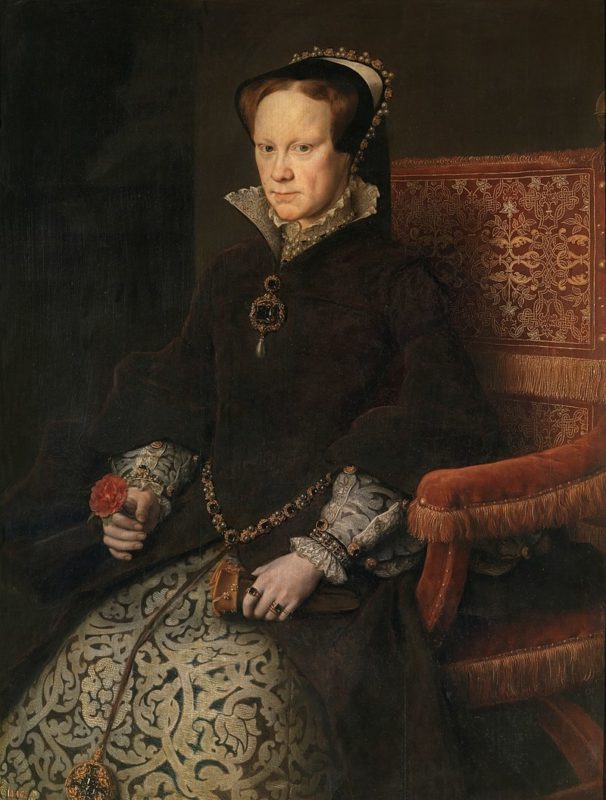
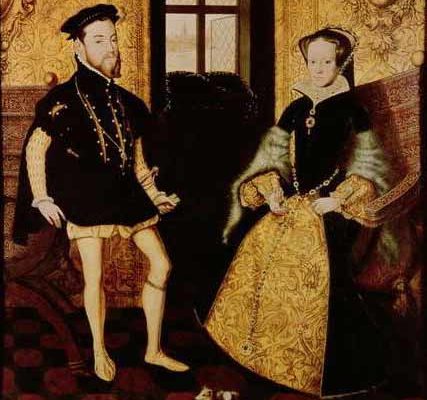
1554: The Catholic Queen Mary of England, known as ‘Bloody Mary’ on account of her persecution of Protestants, marries Philip II of Spain.
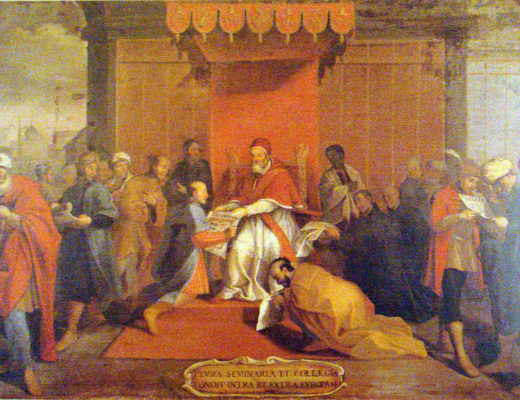
1587: Christianity is banned in Japan and Jesuits accused of selling the Japanese as slaves are expelled from the country.
1814: Coal is transported by locomotion
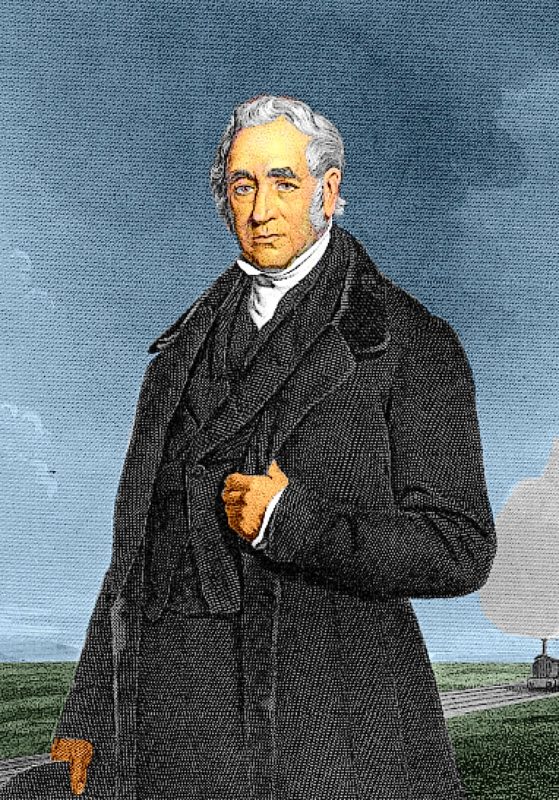
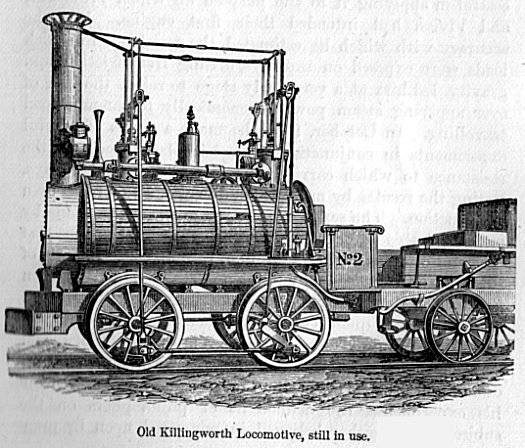
Killingworth is the latest colliery to experiment with locomotives for transporting coal out of mines. Their chief mechanic George Stephenson built an engine that could draw eight loaded carriages bearing 30 tons of coal at four miles per hour (6.4kph). Stephenson got the idea for ‘Blucher’ after seeing the ‘steam boiler on wheels’ built by Matthew Murray for John Blenkinsop in operation at a neighbouring mine. Blucher is an adhesion machine with vertical cylinders. A chain drive led to the front tender wheels to increase grip, Stephenson was convinced that Blucher’s power could be further increased, and was to continue experimenting with the machine.
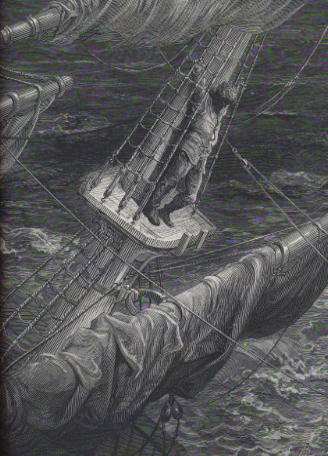
1835: Death of Samuel Taylor Coleridge, English poet and critic renowned for ‘Kubla Khan’ and ‘The Rime of the Ancient Mariner’ – and for his opium addiction.


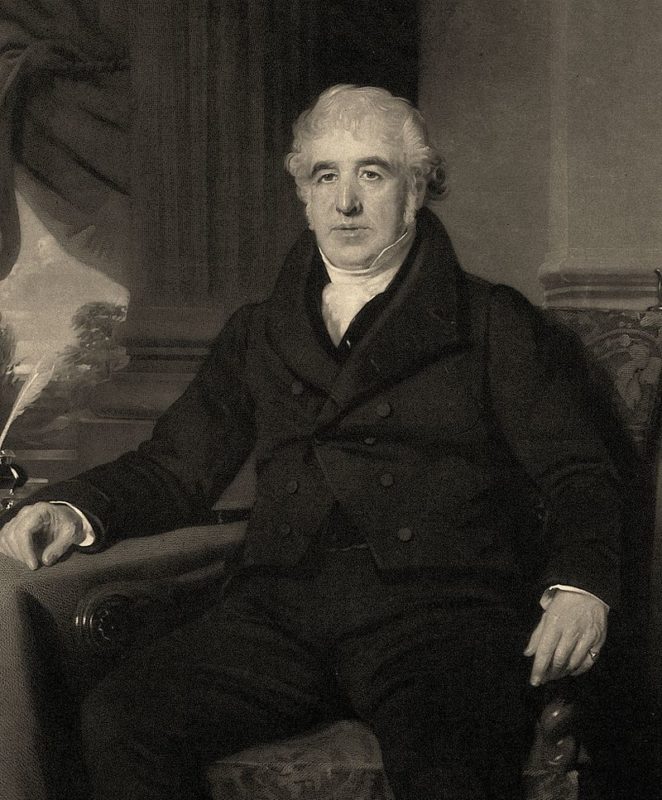
1843: Death of Scottish chemist Charles Macintosh, inventor of waterproof clothing.
1865: Surprising deathbed confession
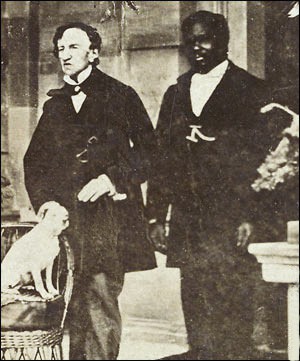
British Army surgeon Major General James Barry could not take his most closely-guarded secret with him when he dies on this day in the London suburb of Kensal Green. Conclusive evidence that the slightly-built five-ft (162cm) tall septuagenarian officer was not what he seemed presented itself to the woman who laid out the body. James Barry had been Miranda Stuart. Barry, an orphan, went into the army after gaining an MD from Edinburgh College. In South Africa, the West Indies and the Crimea, Barry built up a reputation as a first-class surgeon and an able administrator, and ended a distinguished career in the office of Inspector General of all British hospitals in Canada. Described as a ‘perfect gentleman’ with an eye for the ladies, he had a long-standing affair with a Mrs Fenton. No one knew if he shared his secret with her.
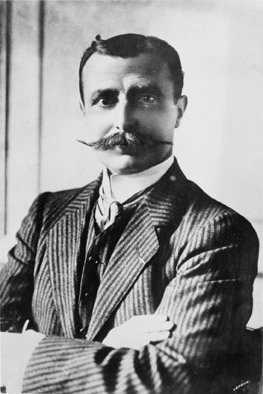
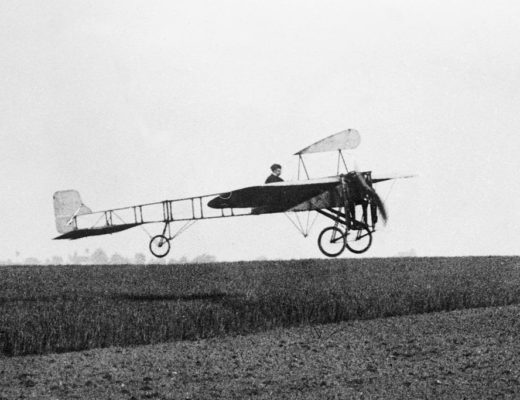
1909: French aviator Louis Bleriot becomes the first man to fly the Channel, travelling from Calais to Dover in a Bleriot XI.
1917: Dance to death
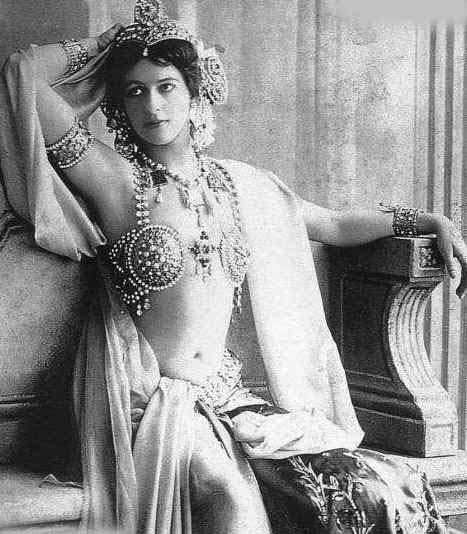
In peace time the French public might have raised a collective wry smile at the spectacle of a femme fatale dancer and courtesan called Mata Hari (Malay for ‘eye of the day’) being charged with employing sexual charms to weaken French Army officers into betraying their country. The exotic-sounding Mata Hari was a 41-year old Dutch woman, Margaretha Gertruida MacLeod (nee Zelle), who agreed to spy for the French in enemy-occupied Belgium, despite already working for the Germans, the prosecution could produce no firm evidence of her spying activities.
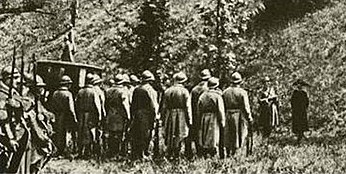
1934: Coup attempt in Austria
A group of armed men break into the office of the Austrian Chancellor Engelbert Dollfuss and fatally wounds him. Meanwhile, a second group took over the radio station in Vienna and announce the appointment of the Nazi Rintelen as Chancellor. The upsurge in Nazi activity in Austria gave rise to speculation of a German-backed putsch. The reaction to the crisis by the Austrian authorities was swift, as befitted a government which had already succeeded in crushing opposition from the other end of the political spectrum, the Socialists. Mussolini, on whom the fascist government of the Catholic Dollfuss relied so much, pledged his full support to help maintain Austria’s independence.
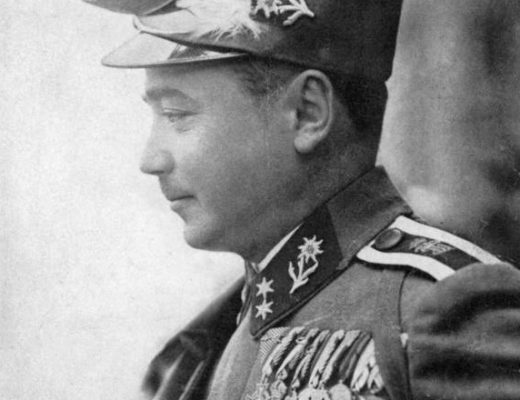
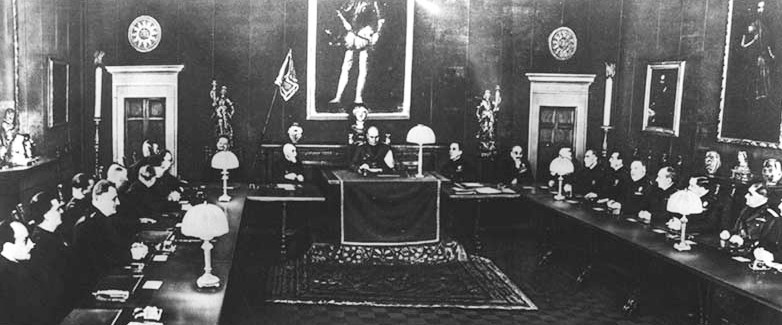
1943: Italian dictator Benito Mussolini is forced by the Fascist Grand Council to resign following the Allied invasion of Sicily.
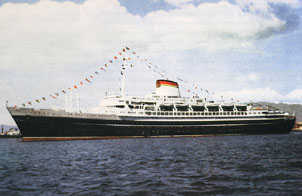
1956: Fifty lives are lost when an Italian ocean liner sinks off the Massachusetts coast after colliding with a Swedish liner in fog.
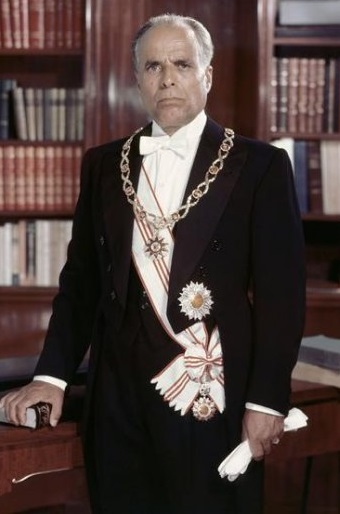
1959: The monarchy is abolished in Tunisia and the country becomes a republic with Habib Bourguiba as its first president.
1985: Film star Rock Hudson is admitted to hospital suffering from the killer disease AIDS.


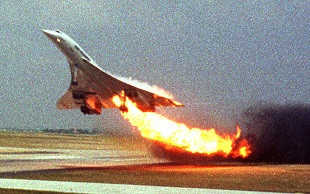
2000: Concorde crash kills 13
Concorde crashes minutes after take-off, killing all 109 passengers on board and four people on the ground. The Air France plane bound for New York, crashes into a hotel in Gonesse, ten miles from Paris. It was understood the aircraft, which had taken off from Roissy Charles de Gaulle airport just two minutes earlier, fell out of the sky after one of the engines caught fire on take-off. A spokesperson for Air France said all the passengers were German tourists travelling to New York to join a cruise ship bound for Ecuador. Eye-witnesses reported a ‘huge fireball’ followed by a cloud of black smoke after the jet hit the ground. Within minutes of the crash, emergency services were on the scene searching through the rubble for survivors. Flight AF4590 was the first Concorde in the aircraft’s 31-year history to crash.
HAVE YOUR SAY
Like our Facebook page, follow us on Twitter and Instagram
For news straight to your phone, add us on BBM 58F3D7A7 or WhatsApp 082 421 6033