July 26: On This Day in World History … briefly
Interesting historic snippets and facts taken from the book ‘On This Day’ first published in 1992 by Octopus Publishing Group Ltd, London.

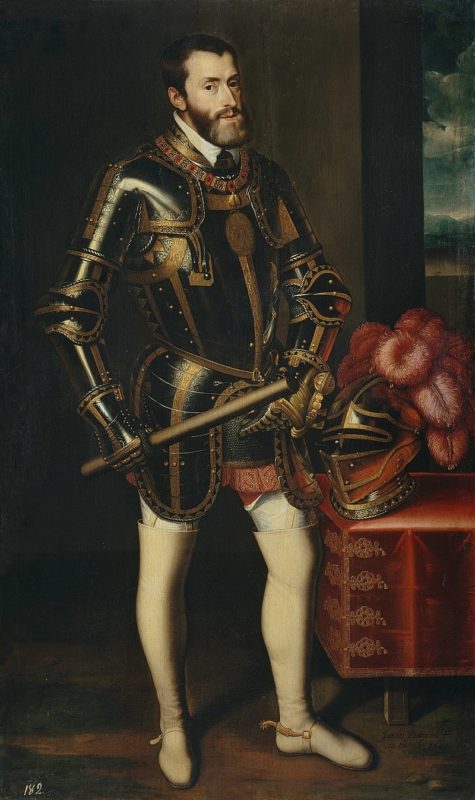
1529: Charles V sanctions new Pizarro expedition
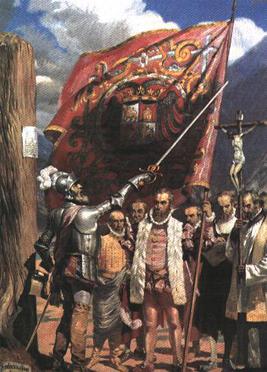
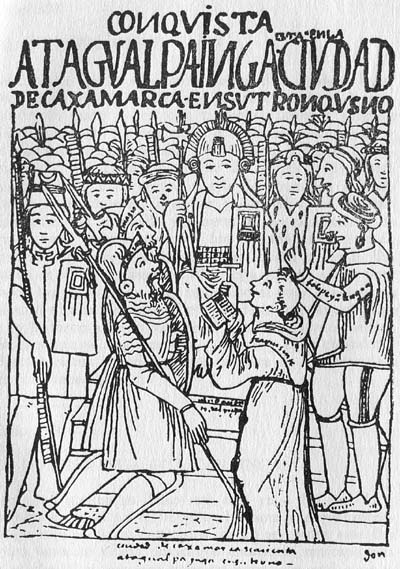
Francisco Pizarro’s decision to go over the head of the governor of Panama and ask the Spanish Emperor Charles V to sanction another expedition to the wealthy kingdom south of Panama pays off. The Council of the Indies grants the 54-year old soldier and explorer of South America the right of conquest, the governorship of the new lands and the title of Captain General for life. In 1528, Pizarro returned to Panama with gold, llamas and a few Indians as evidence of the riches that he believed were there for the taking. However, no funds appeared to have been provided for the new expedition, nor did the contributions of Pizarro’s partners, most notably Diego de Almagro, receive recognition.
1788: New York becomes the 11th state of the Union.
1830: King Charles X of France issues ordinances limiting political and civil rights.
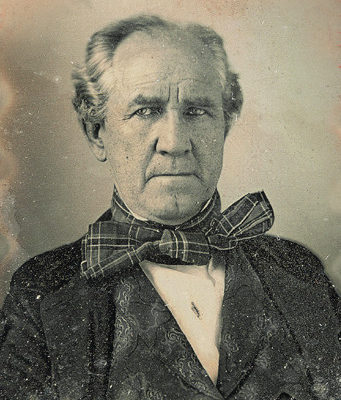
1863: Death of Sam Houston, American soldier, president and Texan leader, after whom the city of Houston is named.
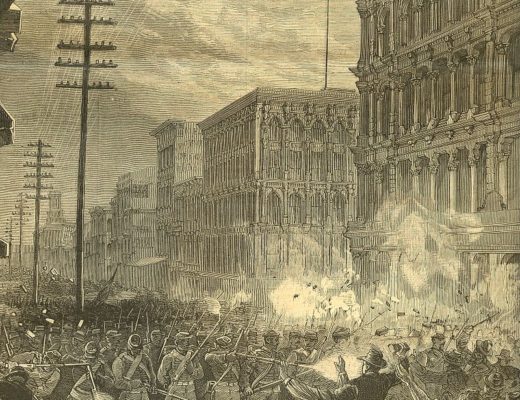
1877: Twenty-six die in railroad strike mayhem
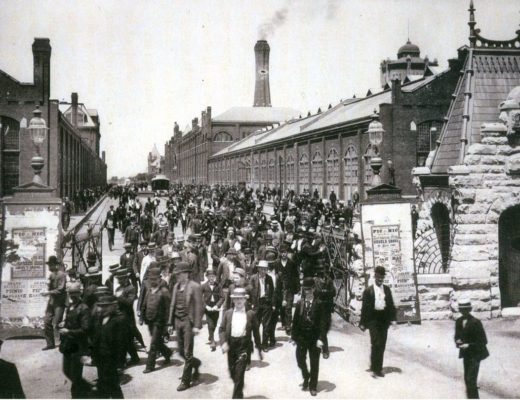
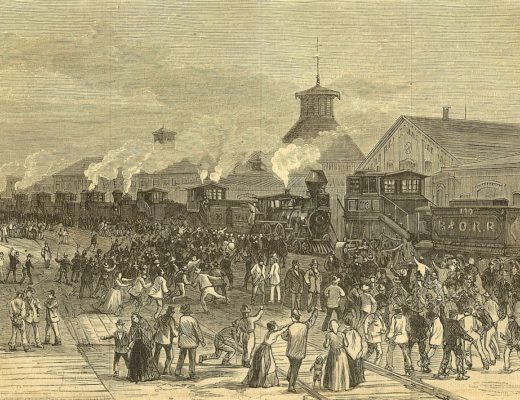
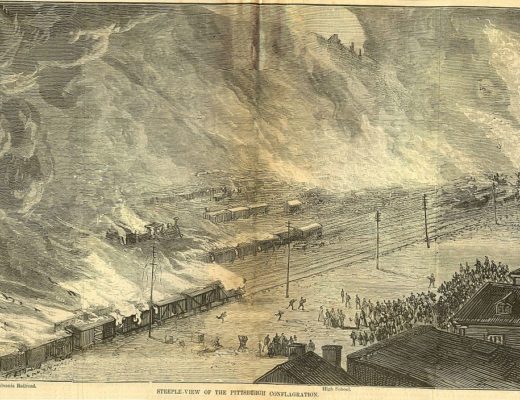
An American-wide railroad strike brings in its wake violence and mayhem. Worst-hit Pittsburgh endures three days of rioting causing 26 deaths and an estimated $5 million (L2.7 million) worth of damage to property. Buffalo, St Louis and Chicago also experience rioting. The strike was in support of better pay and conditions for railroad workers, many of whom were immigrants. Some bosses regarded the unrest as politically-inspired by revolutionaries bent on the destruction of capitalism. Unionisation was one of their chief bogeymen. Train crews were increasingly becoming unionised. Now, other members of the railroad workforce, which grew rapidly since 1870, were similarly seeking to protect their interests.
1952: King Farouk I of Egypt abdicates after a military coup by General Negulb on July 22.
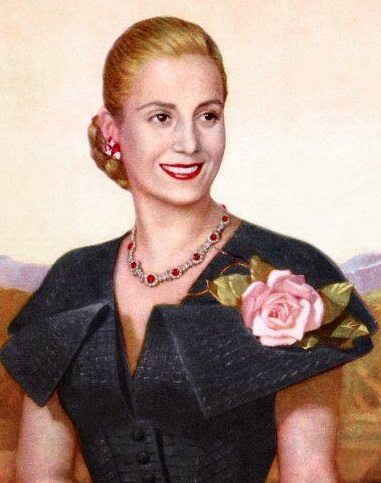
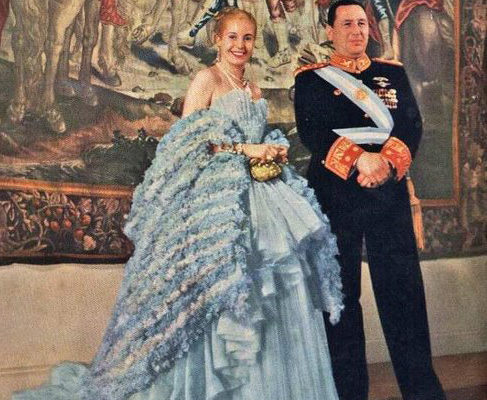
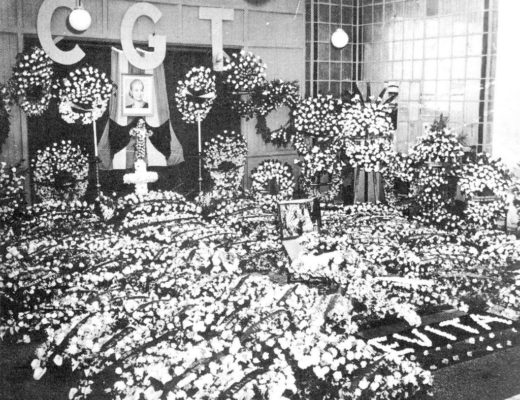
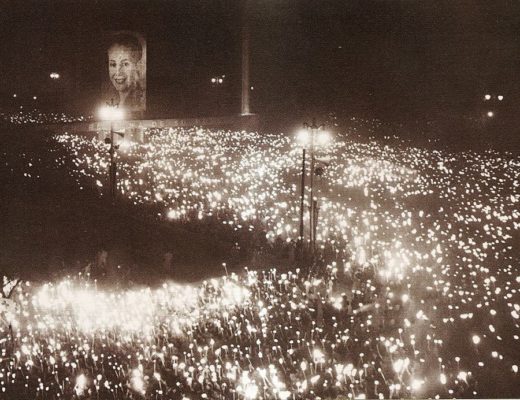
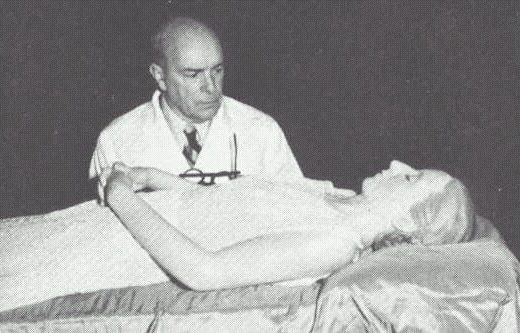
1952: Argentina cries for ‘Evita’
Eva Peron, the wife of the President of the Argentine, Juan Peron, dies in Buenos Aires after a long illness. She was 33. A former actress, Senora Peron wielded enormous influence in public affairs. One of her main achievements was to win the vote for Argentinean women. ‘Evita’ as she became known to Argentina’s 18 million population, had recently been proclaimed the ‘spiritual chief of the state’ by Congress. That same body was expected to pass a bill ordaining that ‘for the rest of history’ July 26 would be a day of national mourning for Argentina. Senora Peron’s body would lie in state until August 8 in the Ministry of Labour and Social Welfare.
1953: Rebel leader Fidel Castro leads an unsuccessful attack on the Moncada barracks and is imprisoned by dictator Fulgencio Batista.
1956: President Nasser of Egypt nationalises the Suez Canal just a month after coming into power.
1977: Israeli Prime Minister Menachem Begin defies a plea from US President Jimmy Carter and orders more settlements to be built on the occupied West Bank.
1978: First test-tube baby born
The world’s first test-tube baby is born by Caesarean section in Oldham General Hospital at 11.47 the night before. For parents Lesley and John Brown of Bristol, the birth was nothing short of a miracle after nine years of disappointment. The men whose expertise made the birth possible were Gynaecologist Patrick Steptoe and Cambridge physiologist Dr Robert Edwards. Together they succeeded in fertilising an egg from Lesley’s womb with her husband’s sperm in the laboratory and then returning it to the mother for incubation.

HAVE YOUR SAY
Like our Facebook page, follow us on Twitter and Instagram
For news straight to your phone, add us on BBM 58F3D7A7 or WhatsApp 082 421 6033