July 29: On This Day in World History … briefly
Interesting historic snippets and facts taken from the book ‘On This Day’ first published in 1992 by Octopus Publishing Group Ltd, London.

1565: Mary Queen of Scots marries her cousin Henry Stewart, Lord Darnley.
1588: Spanish invasion receives calm British reception
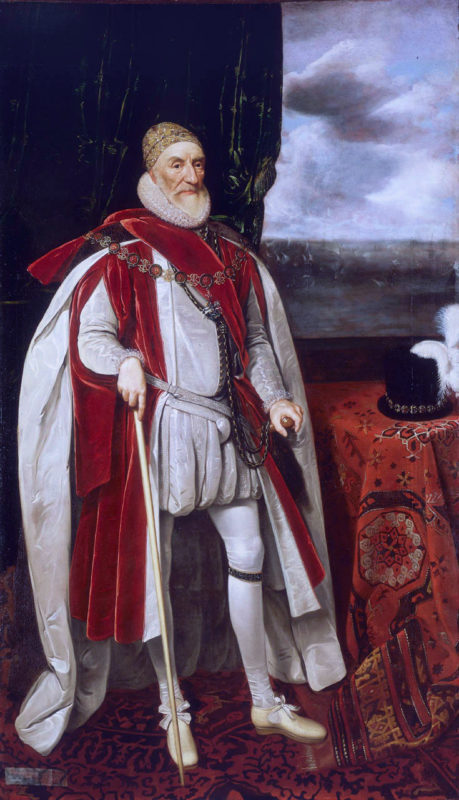
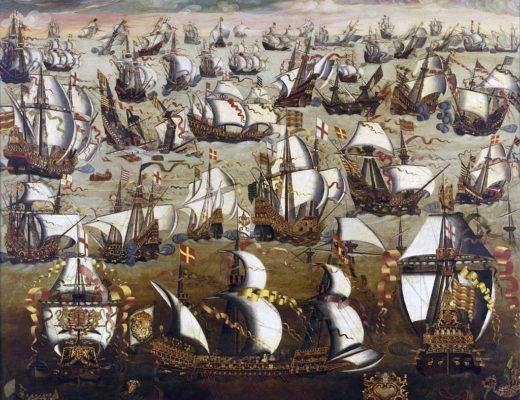
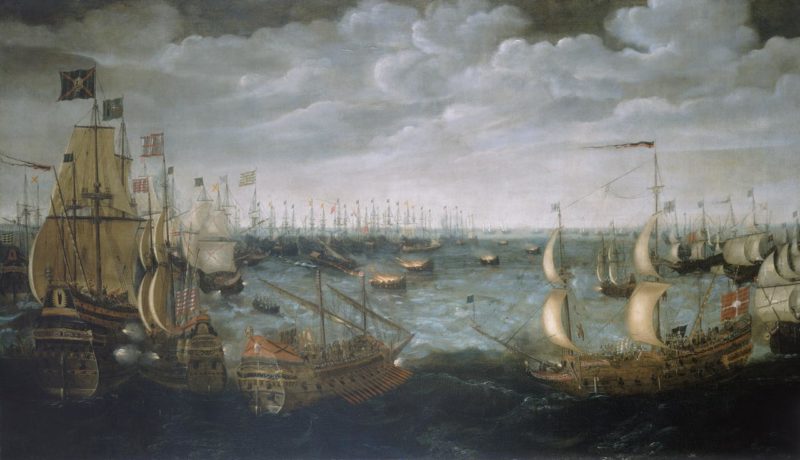
The armada of 130 ships sent by King Philip II of Spain to attempt an invasion of England is sighted off Cornwall. The English fleet under Charles Howard, Baron Howard of Effingham, was confident of success, however. Howard had 197 ships with about 16 000 men, most of them seasoned sailors, at his disposal. His commanders seemed equally nonchalant. Sir Francis Drake was playing a game of bowls on Plymouth Hoe when he received news of the armada’s approach. He finished the game before making for the fleet assembly point at Portsmouth. Factors that may tell against the Spanish in battle included the lack of experience of their new commander, the Duke de Medina Sidonia, and the lack of pace and manoeuvrability of their ships.
1830: French liberals opposed to Charles X’s restrictive new laws seize Paris.
1833: Death of William Wilberforce, British philanthropist who was a prime mover in the anti-slavery campaign.
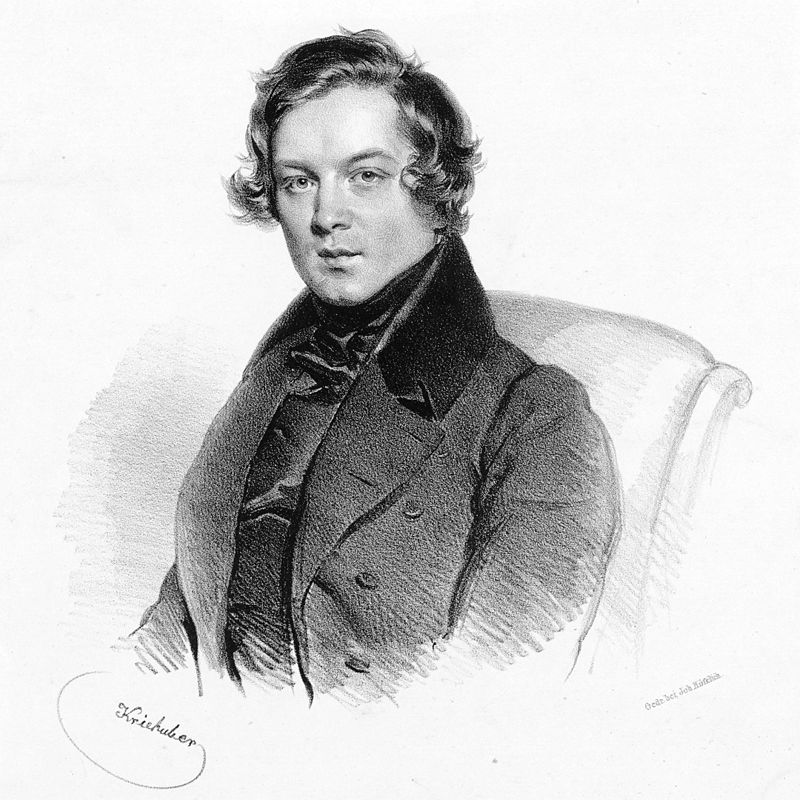
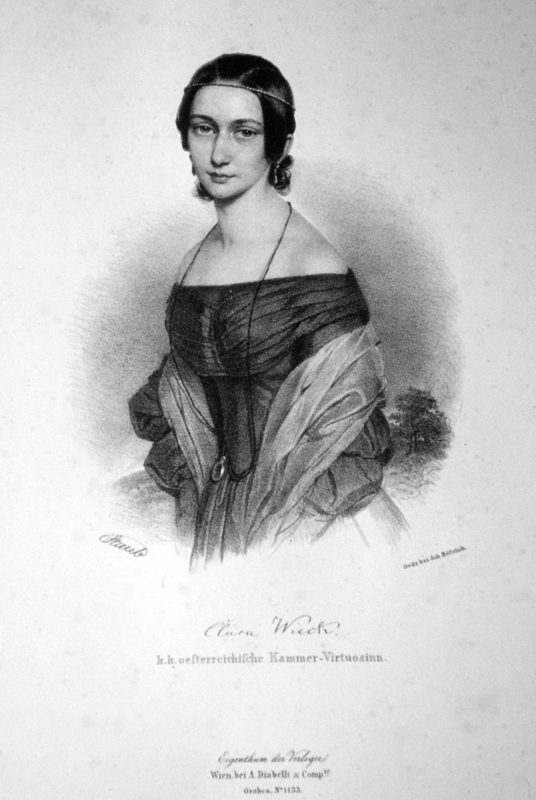
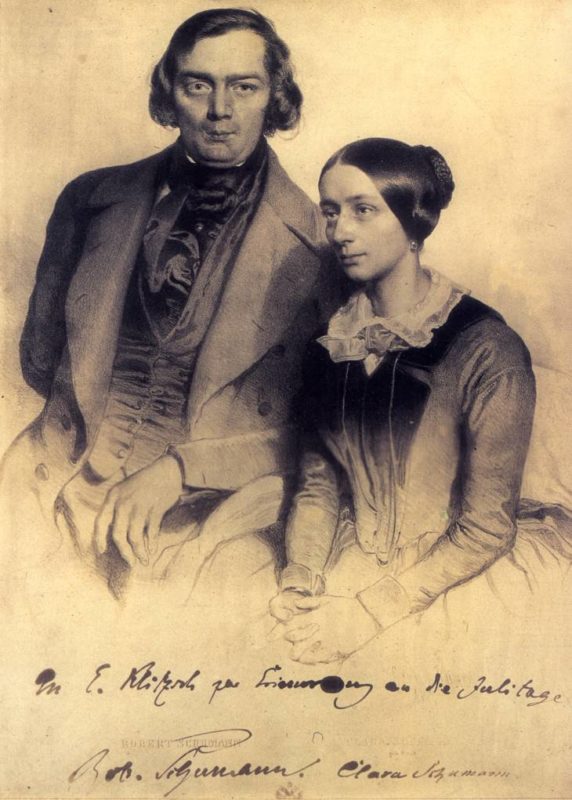
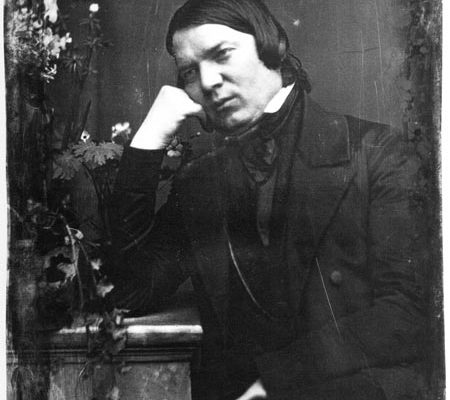
1856: German composer Robert Schumann dies
The avant-garde German composer Robert Schumann, husband of the celebrated pianist Clara Schumann, dies in a private asylum at Endenich, near Bonn, at the age of 46. Schumann gave up studying law in order to devote himself to a career in music. He left a large body of work ranging from piano pieces and songs to chamber music, choral works and symphonies. Schumann’s music had not found wide acceptance among audiences and appreciation of it had been largely confined to a small clique of professional musicians and composers. Schumann’s greatest contribution to contemporary musical life was the journal ‘Die Neue Zeitschrift (New Musical Journal)’ which since its inception in 1833 brought young composers to the musical public’s attention.
1858: Japan grants US trade privileges
US diplomat Townsend Harris pulls off a spectacular trade coup for the US by persuading the Japanese to agree to trade and diplomatic privileges with the United States. Harris spent the previous two years preparing the ground for this commercial treaty which opened five ports to US trade (in addition to those already opened under the terms of the Treaty of Kanagawa), exempted US citizens living in those area from the jurisdiction of Japanese law, guaranteed those same citizens religious freedom and arranged for diplomatic representation and a tariff agreement between the two countries. Japan’s sudden willingness to negotiate might have been explained by two factors: a change among the ruling elite; and the need to counter the mounting threat from Britain and France, whose hoint naval force was currently on its way to Japan to obtain new treaties by force.
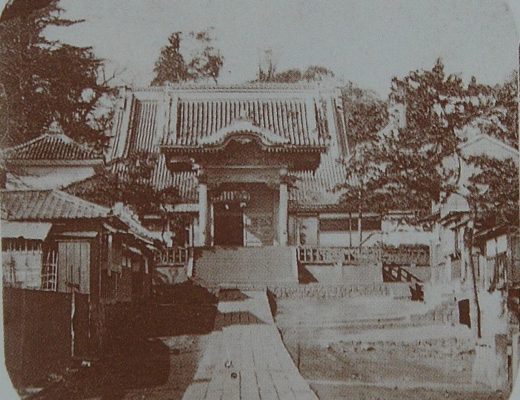
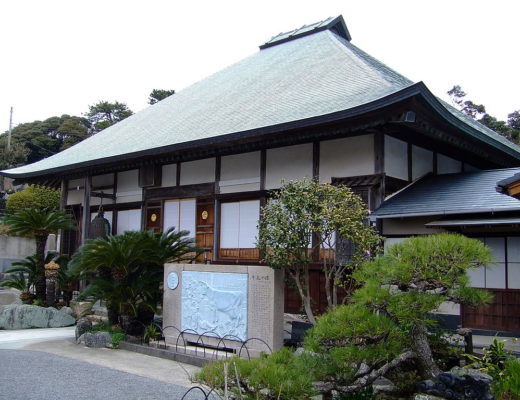
1890: Dutch artist Vincent van Gogh dies two days after shooting himself in the chest.
1900: King Umberto I of Italy is shot dead by an anarchist.
1914: Following the murder of Archduke Ferdinand in Sarajevo, Tsar Nicholas II mobilises 1.2 million troops.
1948: The first Olympic Games since WWII opens at Wembley in London.
1966: Death of Gordon Craig, British actor, theatre designer and producer and son of actress Ellen Terry.
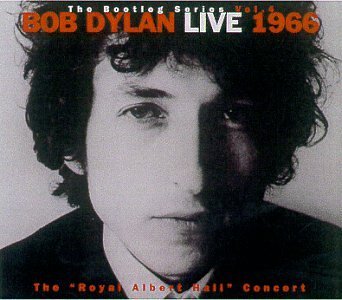
1966: Dylan injured in a motorcycle accident
Singer Bob Dylan is injured in a motorcycle accident near his home at Woodstock, New York. His injuries were thought to involve broken vertebrae in his neck. Precise details were scarce, however, although Dylan’s manager let it be known that the 25-year old star had been ‘completely incapacitated by the accident’.
1968: The Pope condemns all birth control.
1974: Cass Elliott, singer with pop group ‘Mamas and Papas’ dies in London of a heart attack after choking on a sandwich.
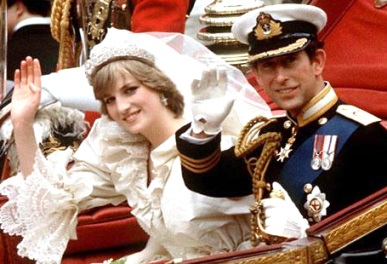
1981: 750 Million watch Royal Wedding
The heir to the British throne, Prince Charles marries Lady Diana Frances Spencer in front of 750 million people. The ceremony in London’s St Paul’s Cathedral was televised live throughout the world. In Britain the official public holiday was celebrated in street parties by hundreds of thousands of people. Of the few people working, on – staunch trade unionist Harry Crapper of Sheffield – said he did not agree with ‘all this junketing’. Another note of discord was sounded by the King and Queen of Spain, who declined their invitation to the wedding because the Royal couple’s honeymoon plans included picking up the Royal yacht ‘Britannia’ in Gibraltar, a long-standing bone of contention between Britain and Spain.
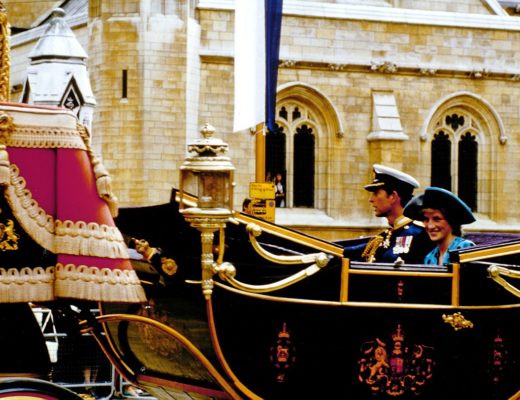
1983: Actor David Niven, the quintessential English gentleman, dies of motor neuron disease.
HAVE YOUR SAY
Like our Facebook page, follow us on Twitter and Instagram
For news straight to your phone, add us on BBM 58F3D7A7 or WhatsApp 082 421 6033