July 31: On This Day in World History … briefly
Most notable historic snippets or facts extracted from the book ‘On This Day’ first published in 1992 by Octopus Publishing Group Ltd, London, as well as additional supplementary information extracted from Wikipedia.

1886: Pianist Liszt dies
The Abbe Liszt, Canon of Albano, dies from pneumonia aged 75. The great pianist was dogged with illness for the past two years of his life, yet maintained a punishing schedule of teaching, composing and concert-giving. By the time he retired as a virtuoso pianist at 35, he had become a public idol
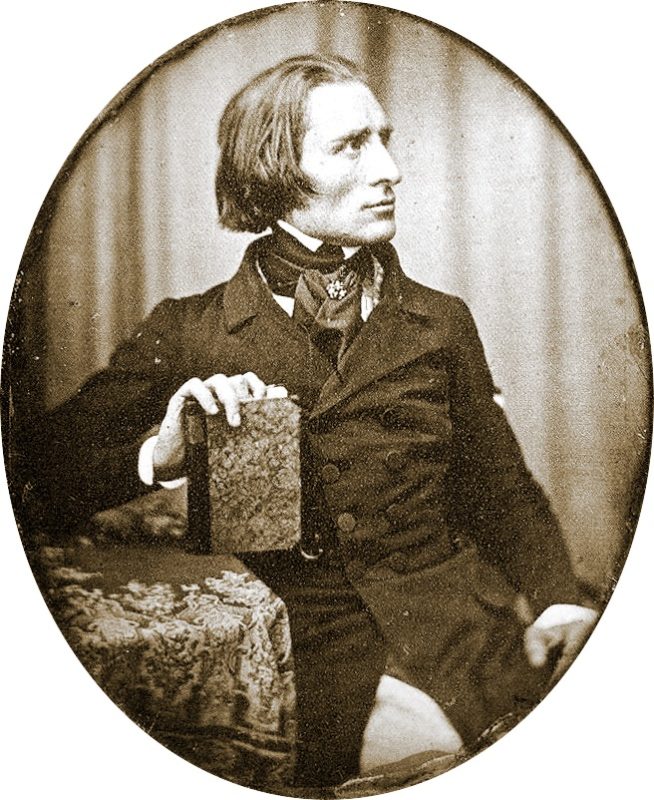
In 1841, Franz Liszt was admitted to the Freemason’s lodge ‘Unity’ – ‘Zur Einigkeit’, in Frankfurt am Main. He was promoted to the second degree and elected master as member of the lodge ‘Zur Eintracht’ in Berlin. From 1845 he was also honorary member of the lodge ‘Modestia cum Libertate’ at Zurich and 1870 of the lodge in Pest (Budapest-Hungary).
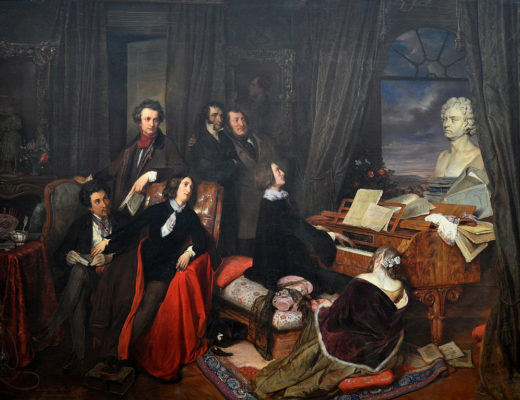
After 1842, ‘Lisztomania’ – coined by 19th-century German poet and Liszt’s contemporary, Heinrich Heine, swept across Europe. The reception that Liszt enjoyed as a result can be described only as hysterical. Women fought over his silk handkerchiefs and velvet gloves, which they ripped to shreds as souvenirs.
This atmosphere was fuelled in great part by the artist’s mesmeric personality and stage presence. Many witnesses later testified that Liszt’s playing raised the mood of audiences to a level of mystical ecstasy.
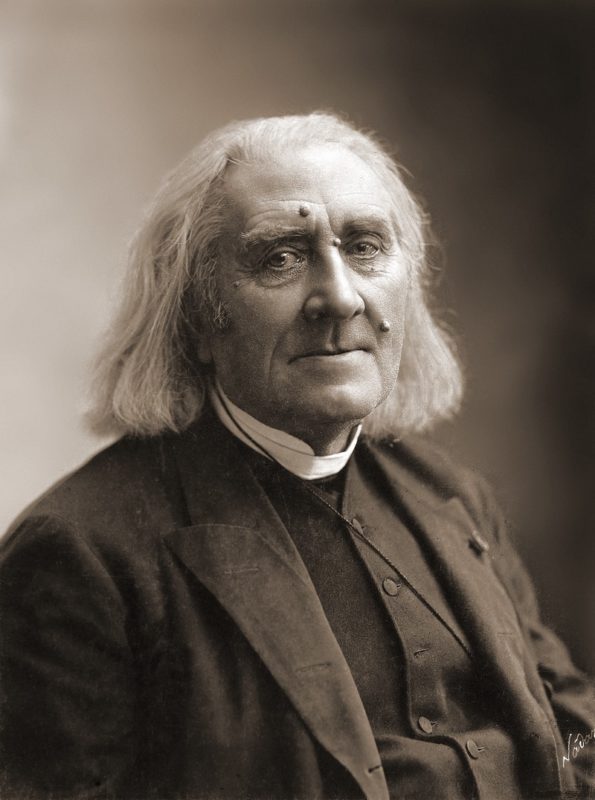
He died oppressed by much personal unhappiness that could not be relieved by his spiritual beliefs.
1964: First success for Ranger programme
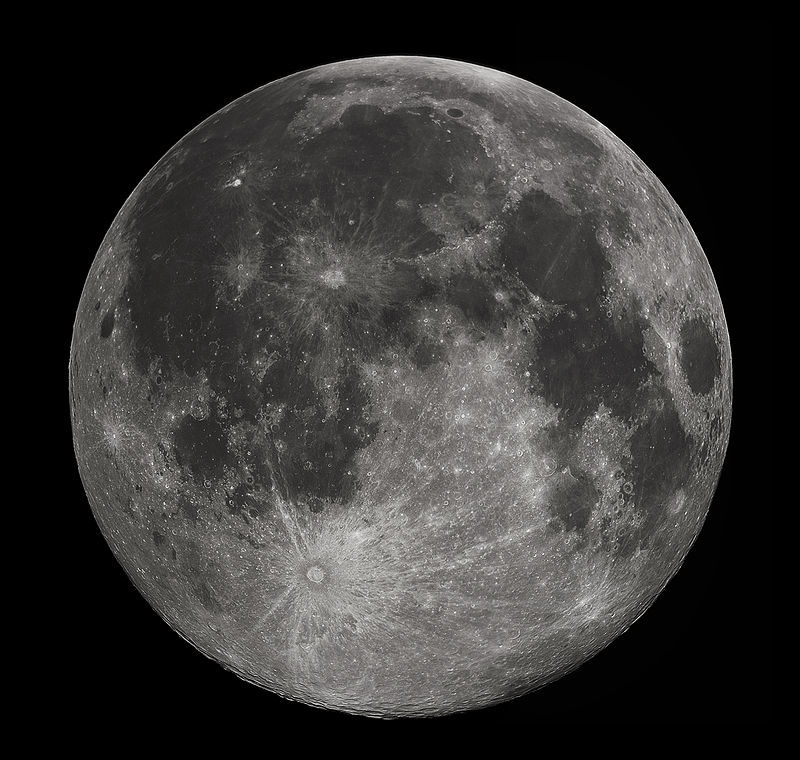
NASA scientists were on the brink of answering many questions about the composition of the Moon. At the seventh attempt, they succeeded in landing a functioning camera-equipped spacecraft on the surface of the earth’s only satellite. The 806lb (365kg) Ranger 7 probe reached its target area, the Mare Nubium some 68 hours after blast-off.

The craft was fitted with six cameras, one covering a wide field of view, the other five taking close-ups of smaller areas. Pictures sent back revealed that part of the Moon was not covered with a deep layer of dust, as had been supposed.
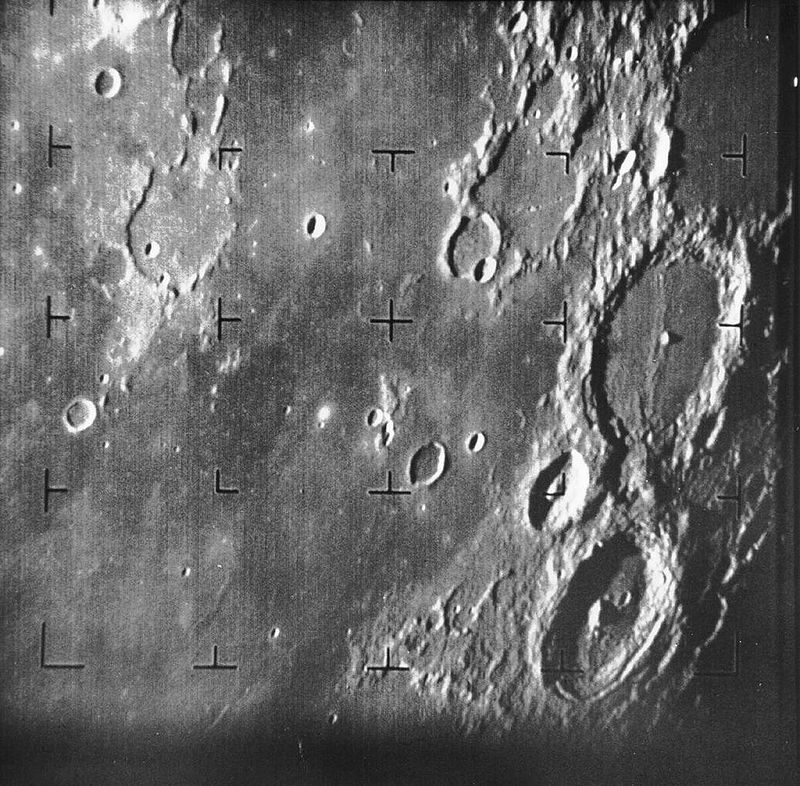
The surface material seemed to have a spongy texture and was very different in composition from the rock found on Earth. Solar radiation and bombardment by meteors and other inter-planetary materials were only two of the phenomena that had gone into shaping the Moon’s landscape.
1964: ‘Gentleman Jim’ sadly dies in plane crash
Country singer Jim Reeves dies when his plane crashed into a hillside a few miles from Nashville, Tennessee. He was only 40. ‘Gentleman Jim’ Reeves shot to fame in the late 50s with his hit single ‘He’ll Have To Go’. He followed this up with ‘Welcome To My World’, ‘I Love You Because’ and ‘I Won’t Forget You’, all top ten records.
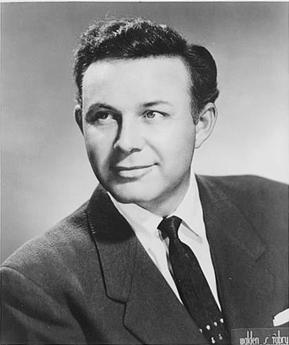
Reeves is also responsible for popularizing many gospel songs, including ‘We Thank Thee’, ‘Take My Hand, Precious Lord’, ‘Across The Bridge’, ‘Where We’ll Never Grow Old’. He was given the name Gentleman Jim because it was an apt description of Jim Reeves both on stage and off.
During the early 1960s, Reeves was more popular in South Africa than Elvis Presley and recorded several albums in the Afrikaans language. In 1963, he toured and was featured in a South African film ‘Kimberley Jim’. The film was released with a special prologue and epilogue in South African cinemas after Reeves’ death, praising him as a true friend of the country. The film was produced, directed, and written by Emil Nofal.
Reeves was one of an exclusive trio of performers to have released an album there that played at the little-used 16⅔ rpm speed. This unusual format was more suited to the spoken word and was quickly discontinued for music. The only other artists known to have released such albums in South Africa were Elvis Presley and Slim Whitman.
Reeves set out to be a baseball star, but as a singer his distinctive voice and gentle style won him fans around the world. He made 375 records before his death and his widow Mary promised to ensure that they were released over the coming years.
1990: Gooch makes his mark
Cricketer Graham Gooch scores 333 runs – the third largest individual total by an England batsman at the time. In ten and a half hours, he faced 485 balls. At the crease to open England’s Second Innings against India, he scores 123 to become the first Englishman since Compton in 1947 to score centuries in successive innings.


HAVE YOUR SAY
Like our Facebook page, follow us on Twitter and Instagram
For news straight to your phone, add us on BBM 58F3D7A7 or WhatsApp 082 421 6033