August 1: On This Day in World History … briefly
Most notable historic snippets or facts extracted from the book ‘On This Day’ first published in 1992 by Octopus Publishing Group Ltd, London, as well as additional supplementary information extracted from Wikipedia.

1833: Britons never, never shall have slaves
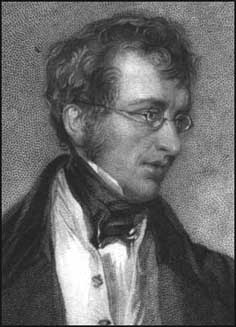
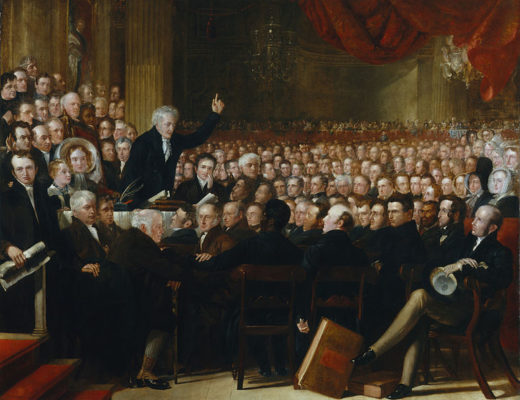
In a momentous move, Britain finally ends its 400-year involvement in slavery. The act passed by parliament frees all slaves in the nation’s territories after a five- to seven-year apprenticeship. A sum of £20 million ($37 million) has been earmarked to compensate slave-owners. The news marks a victory for the Anti-Slavery Society (formed in 1823) and their parliamentary leader Thomas Fowell Buxton, who had campaigned hard for this amendment. It also completes the work begun some 40 years ago by William Wilberforce. Wilberforce’s bill abolishing the slave trade was eventually passed in 1807, after a series of setbacks to its progress since its inception in 1789. The new bill was expected to put fresh heart into the abolition campaign in the United States.
1969: Mars finally revealed
The first pictures of Mars are beamed back to Earth by the US Mariner 6 unmanned spacecraft. As part of NASA’s wider Mariner program, Mariner 6 and Mariner 7 (Mariner Mars 69A and Mariner Mars 69B) completed the first dual mission to Mars in 1969. Mariner 6 was launched from Launch Complex 36B at Cape Canaveral Air Force Station and Mariner 7 from Launch Complex 36A at Cape Kennedy.
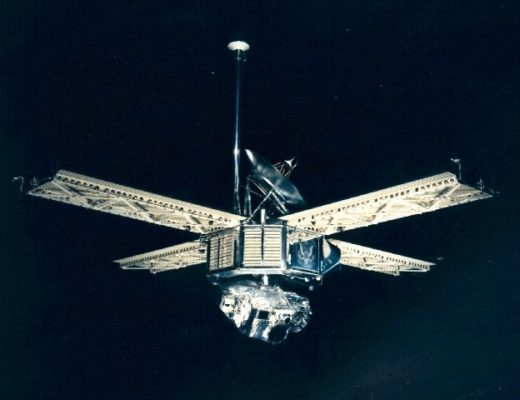
The craft flew over the equator and south Polar Regions, analysing the atmosphere and the surface with remote sensors, and recording and relaying hundreds of pictures. The mission’s goals were to study the surface and atmosphere of Mars during close flybys, in order to establish the basis for future investigations, particularly those relevant to the search for extra-terrestrial life, and to demonstrate and develop technologies required for future Mars missions.
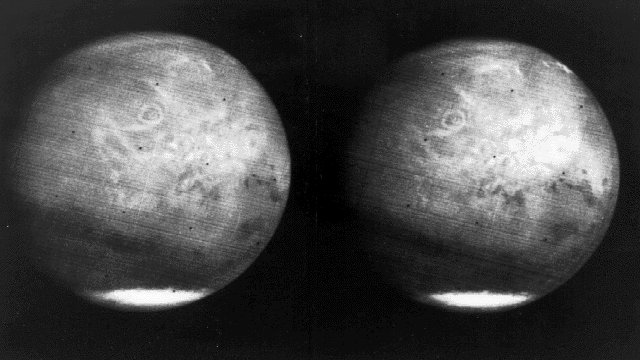
Mariner 6 also had the objective of providing experience and data which would be useful in programming the Mariner 7 encounter five days later.
1976: Lauda near death after inferno
A 40-second inferno leaves world racing champion Niki Lauda fighting for his life in the intensive care unit of a German hospital.
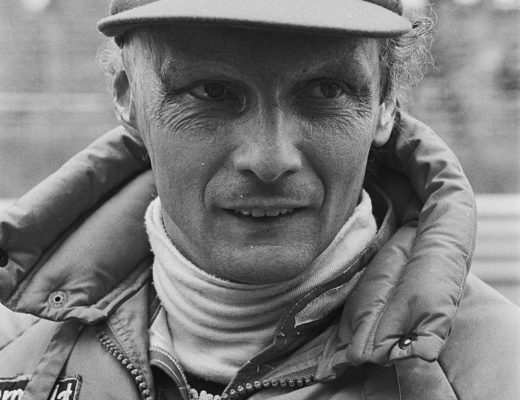
The accident happened on the second lap of the German Grand Prix at the 14-mile (22.5km) long Nurburgring. According to eye witnesses, Lauda’s car spun out of control in the treacherous conditions, bounced off a safety barrier and then exploded.
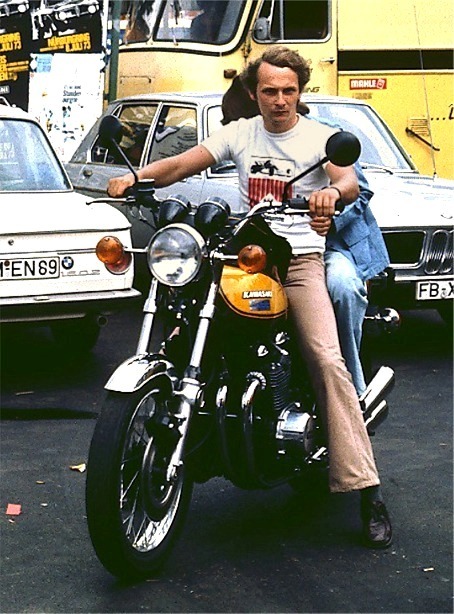
The struggling Lauda was released from the blazing cockpit by the combined efforts of several of his fellow drivers, whose selfless act gave the 27-year old Austrian a slim chance of survival.
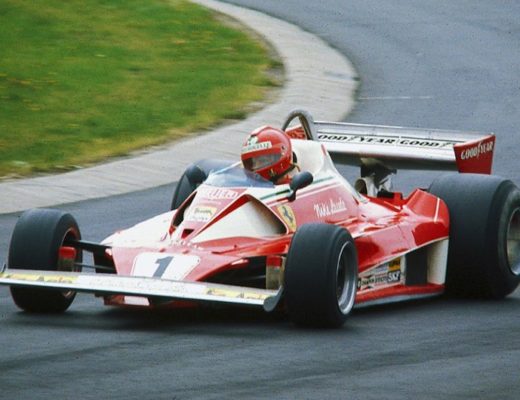
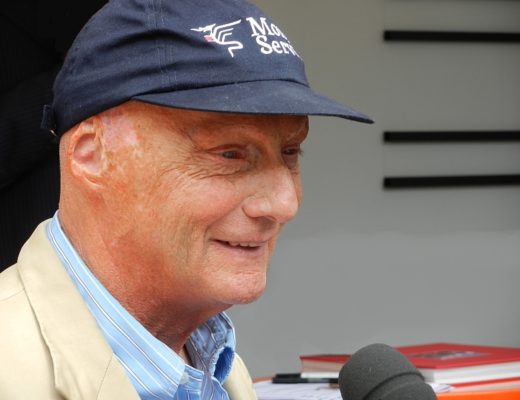
In addition to severe burns on his face, Lauda suffered near-fatal injury to his lungs as a result of inhaling raw, unvaporised petrol. The restarted race was won by James Hunt – Lauda’s main rival for the season’s drivers’ championship.
1985: Sanctions hit South Africa
America agrees to sanctions against South Africa in protest against apartheid and in response to violent race riots.
HAVE YOUR SAY
Like our Facebook page, follow us on Twitter and Instagram
For news straight to your phone, add us on BBM 58F3D7A7 or WhatsApp 082 421 6033