August 2: On This Day in World History … briefly
Most notable historic snippets or facts extracted from the book ‘On This Day’ first published in 1992 by Octopus Publishing Group Ltd, London, as well as additional supplementary information extracted from Wikipedia.
1876: ‘Fastest gun’ has no chance
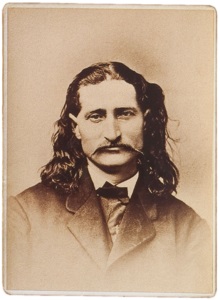
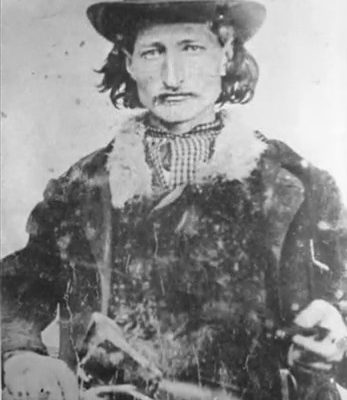
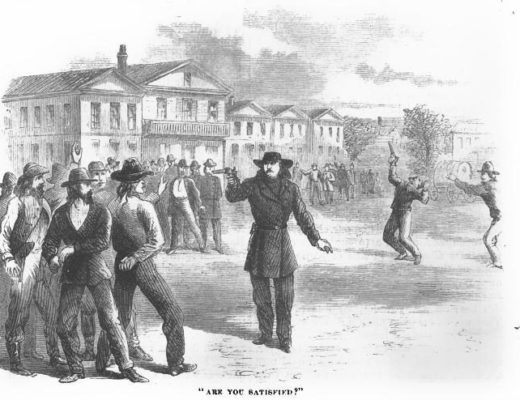
The man billed in his colourful shows as the ‘fastest gun in the West’, ‘Wild Bill’ Hickok falls victim to an assassin’s bullet. Hickok (39) was playing poker in the saloon in Deadwood when killer Jack McCall strikes, shooting the unsuspecting ex-lawman in the back from a vantage point behind the bar. As a federal marshal, Hickok (real name James Butler Hickok) single-handedly tamed the notoriously rough frontier towns of Hays City and Abilene.
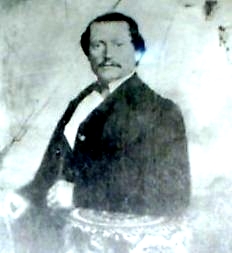
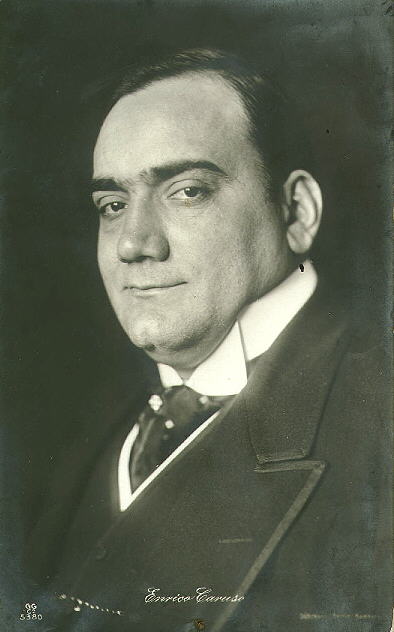
1921: Golden voice finally stilled
Enrico Caruso, the Neapolitan with the golden voice, dies at the Hotel Vesuvio in Naples aged 48. Signor Caruso was returning to Rome after a month’s holiday in Sorrento when he suffered a recurrence of the illness that several operations and prolonged medical treatment failed to cure: peritonitis and sepsis. The world is robbed of one of the most individual operatic talents. Caruso invested his own vocal technique, developing a style that was just right for the verismo operas that came into vogue at the turn of the century and becoming a household name. The King of Italy allowed the funeral to be held in the basilica of San Francesco di Paola in Naples – normally reserved for royalty.
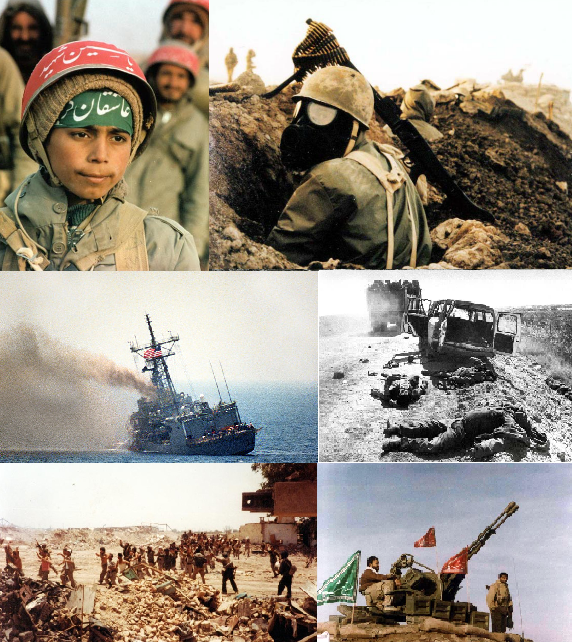
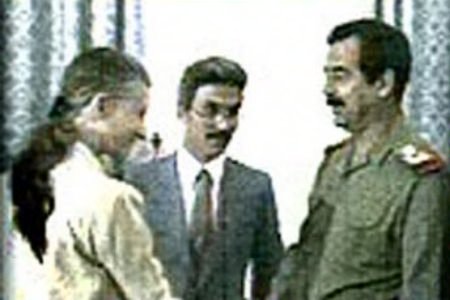
1990: Saddam snatches oil-rich Kuwait
Saddam Hussein made good Iraq’s claim to the oil-rich state of Kuwait by invading it. Thousands of heavily-armed Iraqi troops quickly cut through the paper-thin defences of their tiny Gulf neighbour and were firmly in control of its capital, Kuwait City. The Al-Sabah family, which had ruled Kuwait for more than two centuries, flee to Saudi Arabia. Tensions between the two countries had been high for several weeks since Saddam accused Kuwait of deliberately over-producing oil, thus depressing prices and damaging Iraq’s fragile economy. Iraq’s action was condemned by world leaders, most forcibly by the British PM Margaret Thatcher and US President George Bush.
HAVE YOUR SAY
Like our Facebook page, follow us on Twitter and Instagram
For news straight to your phone, add us on BBM 58F3D7A7 or WhatsApp 082 421 6033