August 6: On This Day in World History … briefly
Most notable historic snippets or facts extracted from the book ‘On This Day’ first published in 1992 by Octopus Publishing Group Ltd, London, as well as additional supplementary information extracted from Wikipedia.

1926: US woman smashes Channel record
Gertrude Caroline Ederle (October 23, 1905 – November 30, 2003) American competition swimmer, Olympic champion, and former world record-holder in five events became the first woman to swim across the English Channel. Among other nicknames, the press sometimes called her ‘Queen of the Waves’.
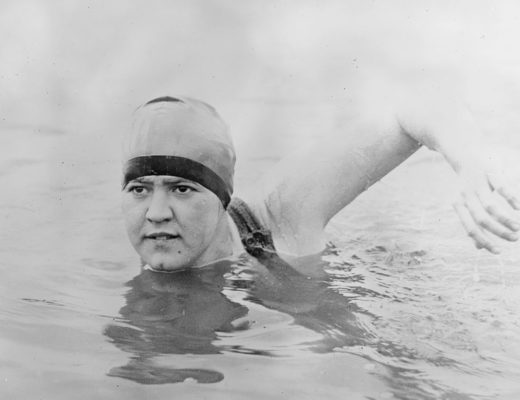
She was born on October 23, 1905 in Manhattan, New York City, the third of six children and the daughter of German immigrants Gertrude Anna Haberstroh and Henry Ederle. According to a biography of Ederle ‘America’s Girl’, her father ran a butcher shop on Amsterdam Avenue in Manhattan. Her father taught her to swim in Highlands, New Jersey, where the family owned a summer cottage.
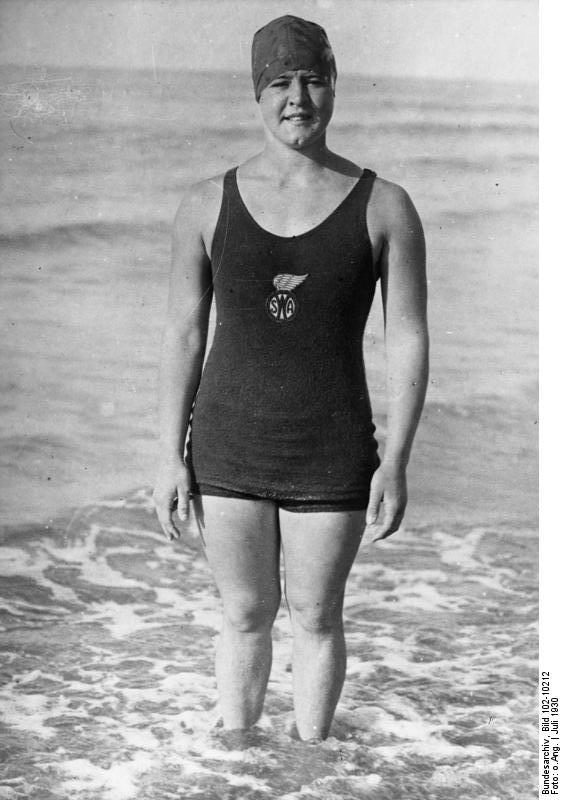
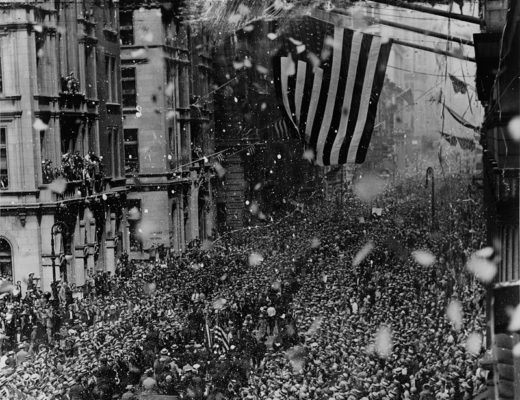
Gertrude put in a record swim in a larger pool than she was used to – the English Channel. The 20-year old New Yorker, 1924 Olympic gold medallist and women’s freestyle world record-holder for distances from 100 to 880 yards, completed the 35-miles (56km) that separate Cap Gris-Nez and Dover in a lung-bursting 14 hours and 31 minutes. The first woman to swim the Channel, she dealt a blow to male pride by bettering the 51-year old record, held by Englishman Matthew Webb, by 1 hour 59minutes. When Miss Ederle, a leading exponent of the eight-beat crawl (eight kicks for each full stroke with the arm) returned home, she was greeted with a ticker-tape parade in Manhattan. More than two million people lined the streets of the parade route to cheer her.
She made an arrangement with Edward L Hyman to make a personal appearance at the Brooklyn Mark Strand, and was paid an amount far greater than they had ever paid an individual performer prior. Subsequently, she went on to play herself in a movie (Swim Girl, Swim starring Bebe Daniels) and tour the vaudeville circuit, including later Billy Rose’s Aquacade. She met President Coolidge and had a song and a dance step named for her. Her manager, Dudley Field Malone, was not able to capitalise on her notoriety, so Ederle’s career in vaudeville wasn’t a huge financial success. The Great Depression also diminished her financial rewards. A fall down the steps of her apartment building in 1933 twisted her spine and left her bedridden for several years, but she recovered well enough to appear at the 1939 New York World’s Fair.

She had poor hearing since childhood due to measles, and by the 1940s she was almost completely deaf. Aside from her time in Vaudeville, Trudy taught swimming to deaf children. She never married and she was living in an old peoples home in 2001. She died on November 30, 2003, in Wyckoff, New Jersey, at the age of 98. She was interred in the Woodlawn Cemetery in The Bronx, New York City.
1945: Atom bomb wipes out Hiroshima
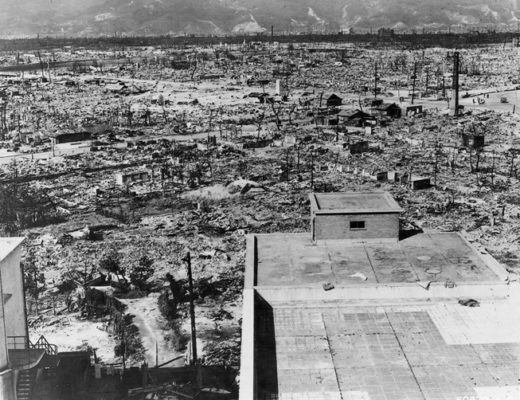
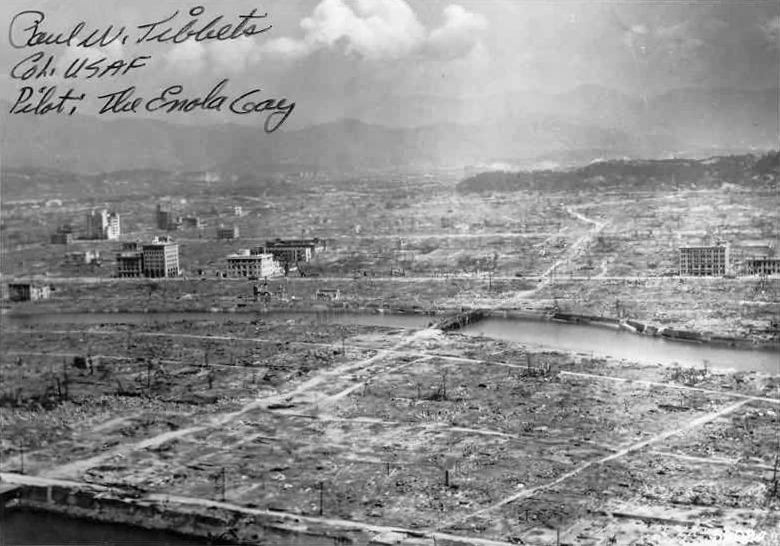
At around 8.15am an atomic bomb was released by a B-29 of the US Air Force above the central Japanese city of Hiroshima. Two thirds of the city was destroyed and at least 140 000 people were killed. Few people in the immediate vicinity of the epicentre survived the blast. US President Harry Truman was made aware of the bomb’s destructive capabilities three weeks before. His decision to use it was made in the face of a terrible conundrum: how to end World War II. The Japanese military were committed to a ‘fight to the death’ policy and it would take a further half-million American lives to force them into surrender by conventional means.
The ‘Enola Gay’ was a Boeing B-29 Superfortress bomber, named after Enola Gay Tibbets, the mother of the pilot, Colonel Paul Tibbets.
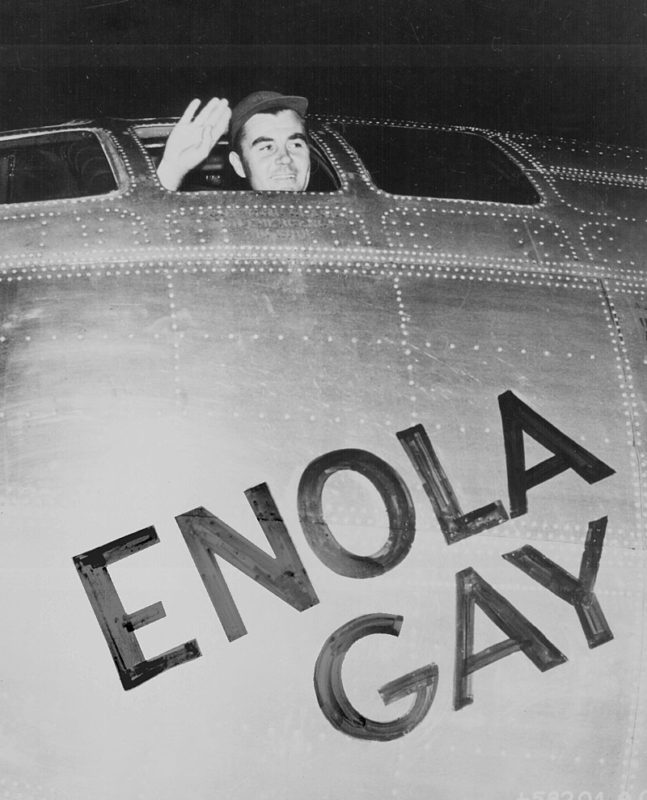
On August 6, during the final stages of World War II, it became the first aircraft to drop an atomic bomb. The bomb, code-named ‘Little Boy’, was targeted at the city of Hiroshima, Japan, and caused the near-complete destruction of the city.
Enola Gay participated in the second atomic attack as the weather reconnaissance aircraft for the primary target of Kokura. Clouds and drifting smoke resulted in a secondary target, Nagasaki, being bombed instead.
1962: Something had to give
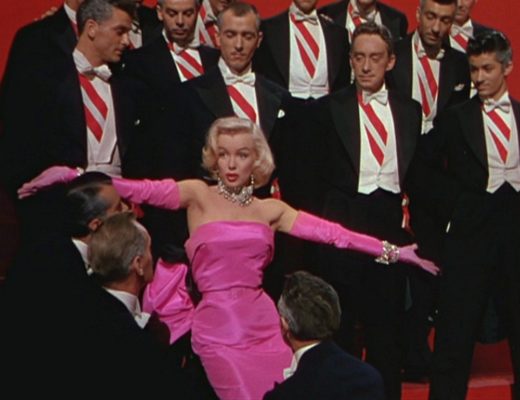
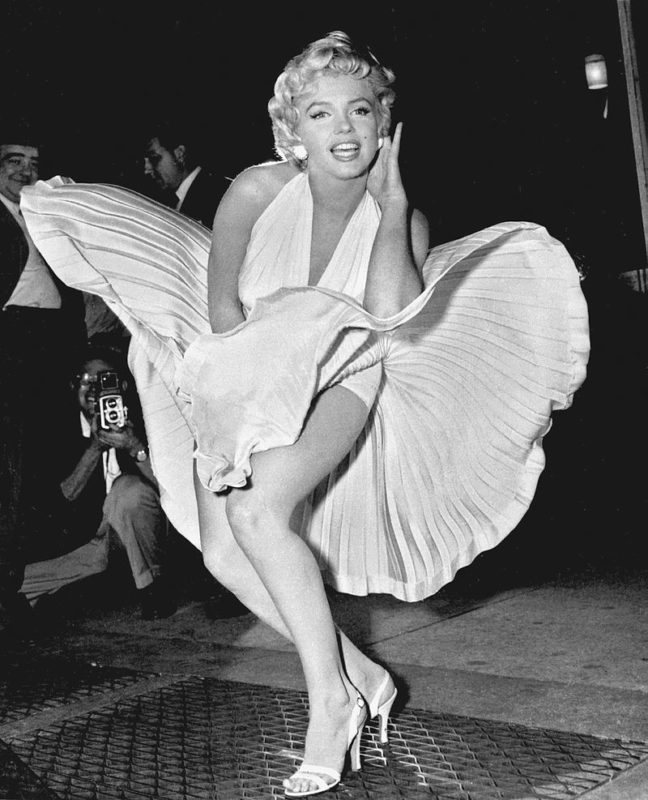
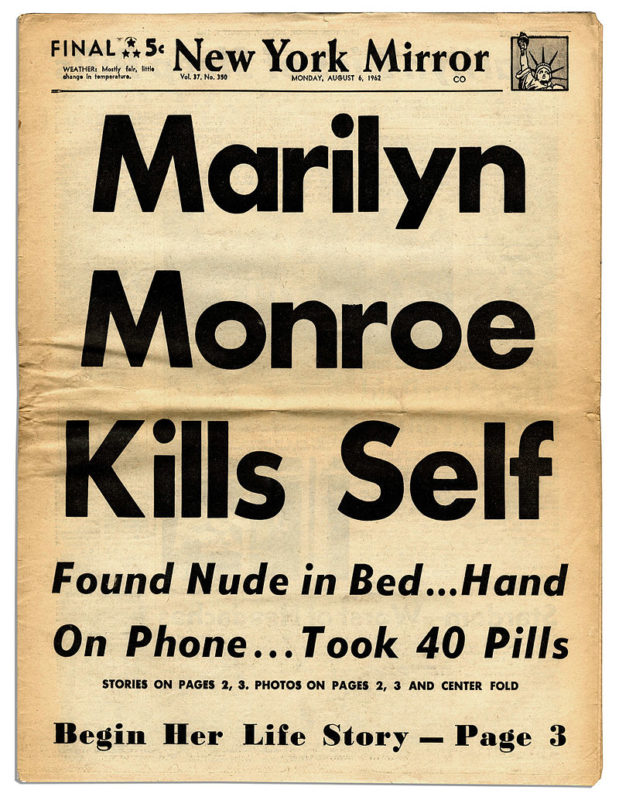
Film star Marilyn Monroe was found dead in the bedroom of her Hollywood home on the morning of August 5. She had taken an overdose of ‘Nembutal’ and chloral hydrate pills. She had a history of sleeping problems and the overdose may have been accidental. 20th Century Fox had fired her for absenteeism from the set of ‘Something’s Got to Give’ two months earlier.

During the final months of her life, Monroe lived at 12305 Fifth Helena Drive in the Brentwood neighborhood of Los Angeles. Her housekeeper Eunice Murray was staying overnight at the home on the evening of August 5, 1962. Murray awoke at 3am on August 6 and sensed that something was wrong. Although she saw light from under Monroe’s bedroom door, she was unable to get a response and found the door locked.

Murray then called Monroe’s psychiatrist, Dr Ralph Greenson, who arrived at the house shortly after and broke into the bedroom through a window, finding Monroe dead in her bed. She was pronounced dead by her physician, Dr Hyman Engelberg, who arrived at the house at around 3.50am. At 4.25am, they notified the Los Angeles Police Department.
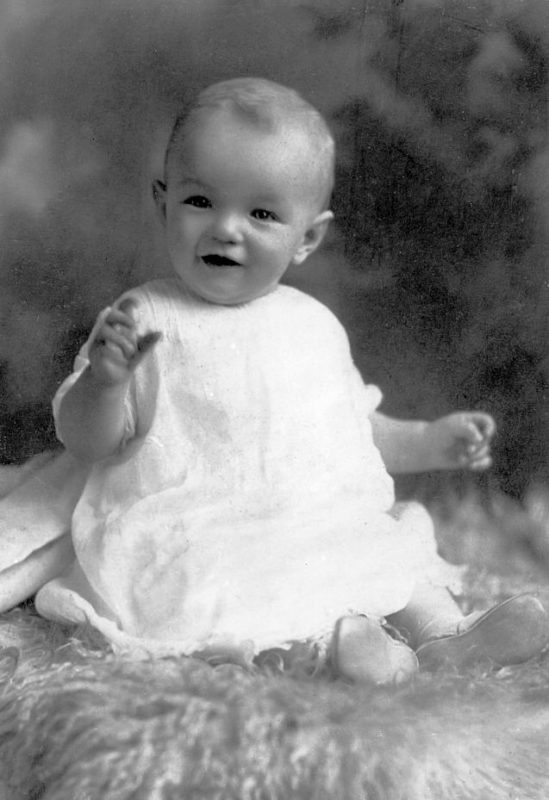
“When I was five I think, that’s when I started wanting to be an actress. I loved to play. I didn’t like the world around me because it was kind of grim, but I loved to play house. It was like you could make your own boundaries… When I heard that this was acting, I said that’s what I want to be… Some of my foster families used to send me to the movies to get me out of the house and there I’d sit all day and way into the night. Up in front, there with the screen so big, a little kid all alone – and I loved it.” —Monroe in an interview for ‘Life’ in 1962.
HAVE YOUR SAY
Like our Facebook page, follow us on Twitter and Instagram
For news straight to your phone, add us on BBM 58F3D7A7 or WhatsApp 082 421 6033