August 15: On This Day in World History … briefly
Most notable historic snippets or facts extracted from the book ‘On This Day’ first published in 1992 by Octopus Publishing Group Ltd, London, as well as additional supplementary information extracted from Wikipedia.
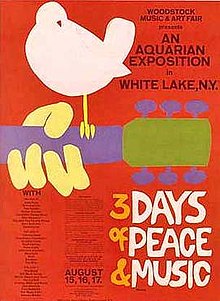
The Woodstock Music & Art Fair, informally the Woodstock Festival or simply Woodstock, was a music festival in the United States in 1969 which attracted an audience of more than 400 000. Scheduled for August 15 to 17 on a dairy farm in the Catskill Mountains of southern New York State, northwest of New York City, it ran over to Monday, August 18.
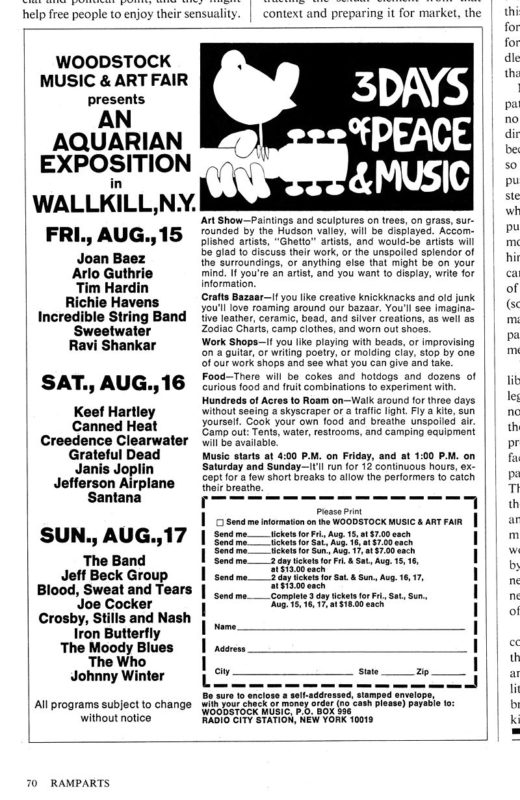
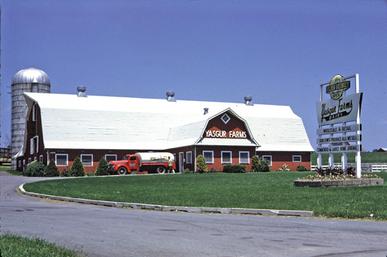
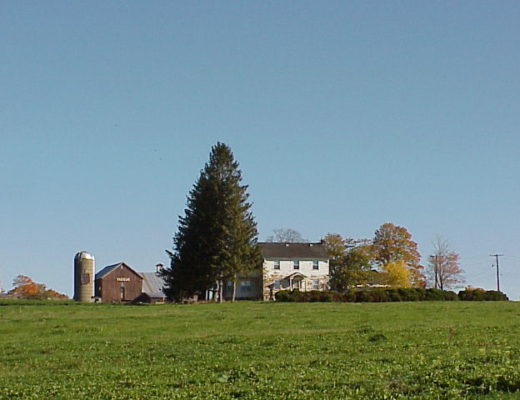
Billed as ‘An Aquarian Exposition: 3 Days of Peace & Music’, it was held at Max Yasgur’s 600-acre (240 hectares; 0.94 square miles) dairy farm near the hamlet of White Lake in the town of Bethel. Located in Sullivan County, Bethel is 43 miles (70 km) southwest of the town of Woodstock in adjoining Ulster County.
During the sometimes rainy weekend, 32 acts performed outdoors. It is widely regarded as a pivotal moment in popular music history, as well as the definitive nexus for the larger counterculture generation. Rolling Stone magazine listed it as one of the ‘50 Moments That Changed the History of Rock and Roll’.
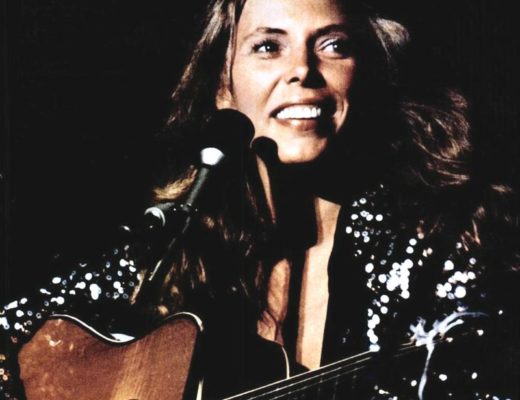
The event was captured in the Academy Award-winning 1970 documentary movie ‘Woodstock’, an accompanying soundtrack album, and Joni Mitchell’s song ‘Woodstock’, which commemorated the event and became a major hit for both Crosby, Stills, Nash & Young and Matthews Southern Comfort. Joni Mitchell said, “Woodstock was a spark of beauty” where half-a-million kids “saw that they were part of a greater organism”. In 2017, the festival site was listed on the National Register of Historic Places.
The festival
The influx of attendees to the rural concert site in Bethel created a massive traffic jam. Fearing chaos as thousands began descending on the community, Bethel did not enforce its codes. Eventually, announcements on radio stations as far away as WNEW-FM in Manhattan and descriptions of the traffic jams on television news discouraged people from setting off to the festival. Arlo Guthrie made an announcement that was included in the film saying that the New York State Thruway was closed. The director of the Woodstock museum discussed below said this never occurred. To add to the problems and difficulty in dealing with the large crowds, recent rains had caused muddy roads and fields. The facilities were not equipped to provide sanitation or first aid for the number of people attending; hundreds of thousands found themselves in a struggle against bad weather, food shortages, and poor sanitation.
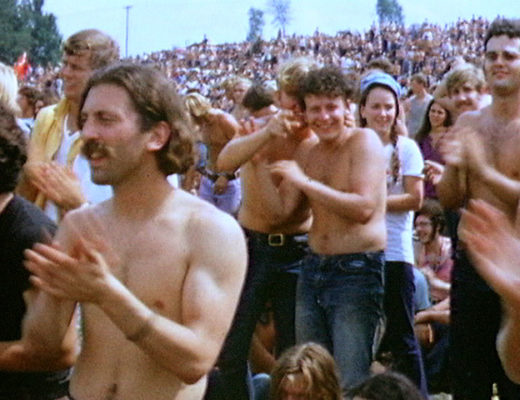
On the morning of Sunday, August 17, New York Governor Nelson Rockefeller called festival organizer John Roberts and told him he was thinking of ordering 10,000 New York State National Guard troops to the festival. Roberts was successful in persuading Rockefeller not to do this. Sullivan County declared a state of emergency. During the festival, personnel from nearby Stewart Air Force Base assisted in helping to ensure order and airlifting performers in and out of the concert venue.
Jimi Hendrix was the last act to perform at the festival. Because of the rain delays that Sunday, when Hendrix finally took the stage it was 8.30am Monday morning. The audience, which had peaked at an estimated 400,000 during the festival, was now reduced to about 30 000 by that point; many of them merely waited to catch a glimpse of Hendrix before leaving during his performance.
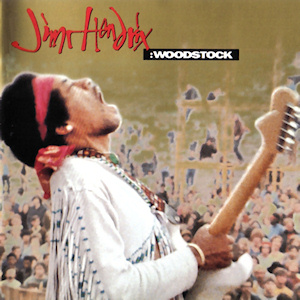
Hendrix and his new band, Gypsy Sun and Rainbows (introduced as The Experience, but corrected by Hendrix) performed a two-hour set. His psychedelic rendition of the US national anthem ‘The Star-Spangled Banner’ occurred about three-quarters into the set (after which he segued into ‘Purple Haze’). The song would become ‘part of the sixties Zeitgeist’ as it was captured forever in the Woodstock film; Hendrix’s image performing this number wearing a blue-beaded white leather jacket with fringe and a red head scarf has since been regarded as a defining moment of the 1960s.
Although the festival was remarkably peaceful given the number of people and the conditions involved, there were two recorded fatalities: one from insulin usage, and another caused in an accident when a tractor ran over an attendee sleeping in a nearby hayfield. There also were two births recorded at the event (one in a car caught in traffic and another in a hospital after an airlift by helicopter) and four miscarriages. Oral testimony in the film supports the overdose and run-over deaths and at least one birth, along with many logistical headaches.
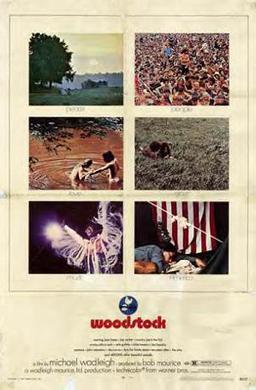
Yet, in tune with the idealistic hopes of the 1960s, Woodstock satisfied most attendees. There was a sense of social harmony, which, with the quality of music, and the overwhelming mass of people, many sporting bohemian dress, behaviour, and attitudes, helped to make it one of the enduring events of the century.
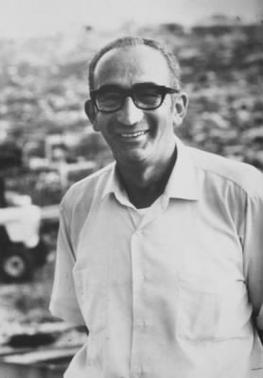
After the concert, Max Yasgur, who owned the site of the event, saw it as a victory of peace and love. He spoke of how nearly half a million people filled with potential for disaster, riot, looting, and catastrophe spent the three days with music and peace on their minds. He stated, “If we join them, we can turn those adversities that are the problems of America today into a hope for a brighter and more peaceful future…
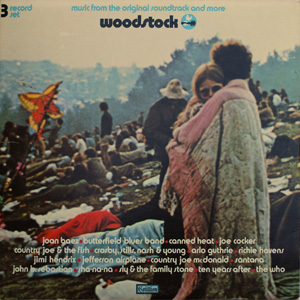
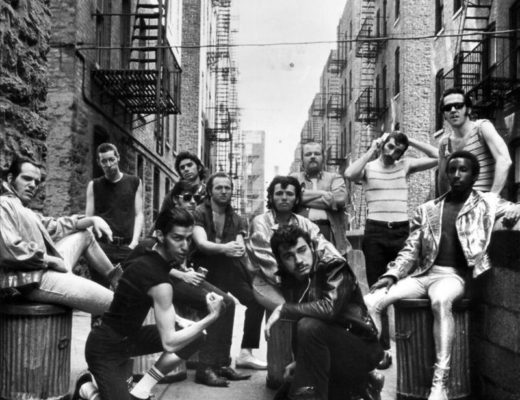
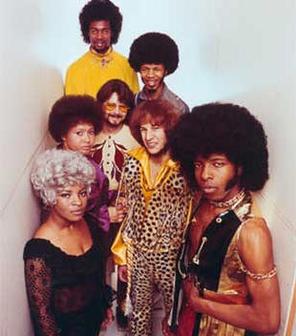
Some of the acts:
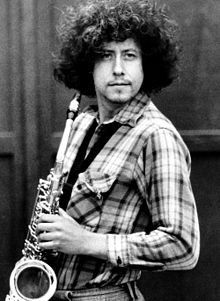
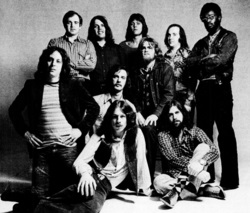
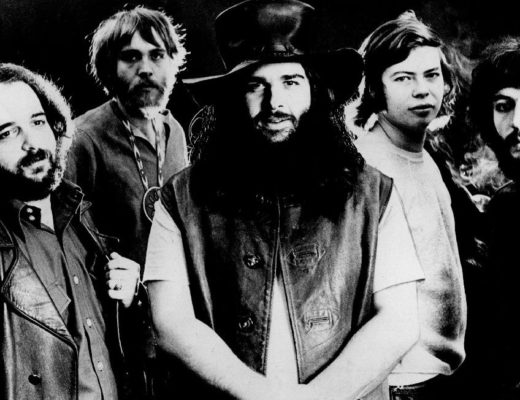
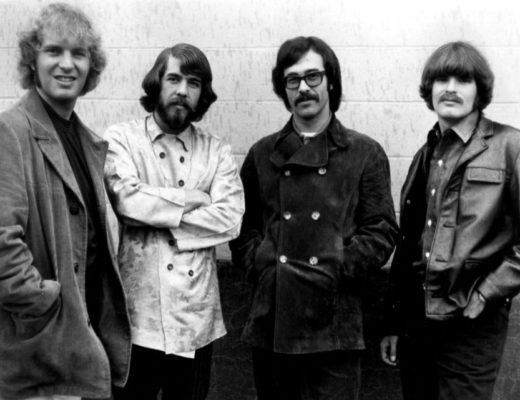
“We were ready to rock out and we waited and waited and finally it was our turn … there were a half million people asleep. These people were out. It was sort of like a painting of a Danté scene, just bodies from hell, all intertwined and asleep, covered with mud. And this is the moment I will never forget as long as I live: A quarter mile away in the darkness, on the other edge of this bowl, there was some guy flicking his Bic, and in the night I hear, ‘Don’t worry about it, John. We’re with you.’ I played the rest of the show for that guy.” – John Fogerty recalling Creedence Clearwater Revival’s 3.30am start time at Woodstock.
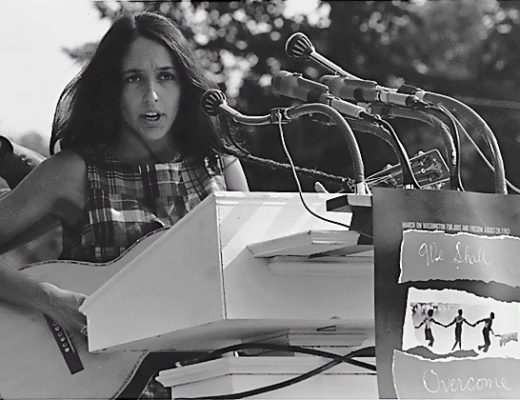
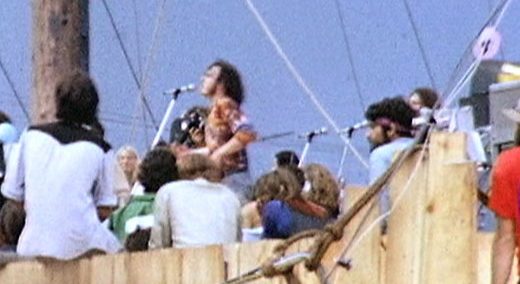
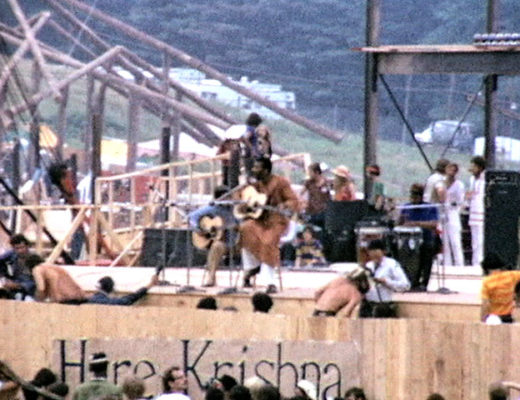
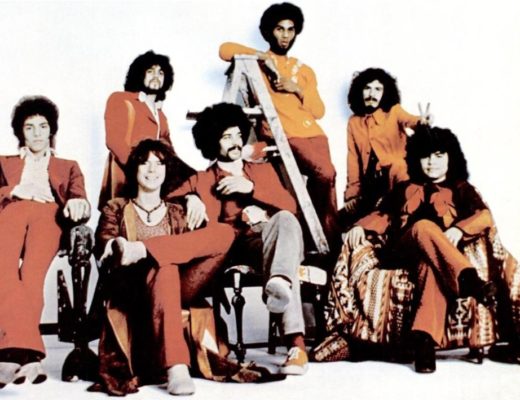
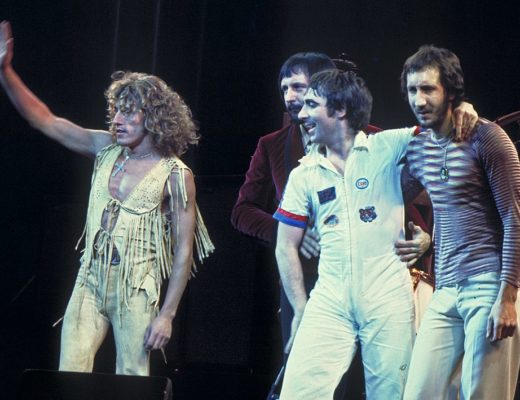
Some of the declined invitations or missed connections
- Bob Dylan, in whose “backyard” the festival was held, was never in serious negotiation. Instead, Dylan signed in mid-July to play the Isle of Wight Festival of Music, on August 31. Dylan set sail for England on Queen Elizabeth 2 on August 15, the day the Woodstock Festival started. His son was injured by a cabin door and the family disembarked. Dylan, with his wife Sara, flew to England the following week. Dylan had been unhappy about the number of hippies piling up outside his house in the nearby town of Woodstock.
- Simon & Garfunkel declined the invitation, as they rather wanted to get ahead with their new album.
- The Jeff Beck Group: Jeff Beck disbanded the group prior to Woodstock. “I deliberately broke the group up before Woodstock”, Beck said. “I didn’t want it to be preserved.” It was to have been the first time that Beck would perform with Tim Bogert and Carmine Appice. Also, Beck’s piano player Nicky Hopkins performed with Jefferson Airplane.
- Led Zeppelin was asked to perform, their manager Peter Grant stated: “We were asked to do Woodstock and Atlantic were very keen, and so was our U.S. promoter, Frank Barsalona. I said no because at Woodstock we’d have just been another band on the bill.” However, the group did play the first Atlanta International Pop Festival on July 5, as one of 22 bands at the two-day event. Woodstock weekend, Zeppelin performed south of the festival at the Asbury Park Convention Hall in New Jersey. Their only time out taken was to attend Elvis Presley’s show at the International Hotel in Las Vegas, on August 12.
- The Byrds were invited, but chose not to participate, figuring Woodstock to be no different from any of the other music festivals that summer. There were also concerns about money. As bassist John York remembers: “We were flying to a gig and Roger (McGuinn) came up to us and said that a guy was putting on a festival in upstate New York. But at that point they weren’t paying all of the bands. He asked us if we wanted to do it and we said, ‘No’. We had no idea what it was going to be. We were burned out and tired of the festival scene. (…) So all of us said, ‘No, we want a rest’ and missed the best festival of all.”
- Chicago, at the time still known as the Chicago Transit Authority, had initially been signed on to play at Woodstock. However, they had a contract with concert promoter Bill Graham, which allowed him to move Chicago’s concerts at the Fillmore West. He rescheduled some of their dates to August 17, thus forcing the band to back out of the concert. Graham did so to ensure that Santana, which he managed at the time, would take their slot at the festival. According to singer and bassist Peter Cetera, “We were sort of peeved at him for pulling that one.”
- Tommy James and the Shondells declined an invitation. Lead singer Tommy James stated later: “We could have just kicked ourselves. We were in Hawaii, and my secretary called and said, ‘Yeah, listen, there’s this pig farmer in upstate New York that wants you to play in his field.’ That’s how it was put to me. So we passed, and we realized what we’d missed a couple of days later.”
- The Moody Blues were included on the original Wallkill poster as performers, but decided to back out after being booked in Paris the same weekend.
- Frank Zappa, then with The Mothers of Invention, according to the Class of the 20th Century U.S. television special, is quoted as saying “A lot of mud at Woodstock … We were invited to play there, we turned it down.”
- Arthur Lee and Love declined the invitation, but Mojo Magazine later described inner turmoil within the band which caused their absence at the Woodstock festival.
- Free was asked to perform and declined. They did however play at the Isle of Wight Festival, a week later.
- Mind Garage declined because they thought the festival would be no huge deal and they had a higher paying gig elsewhere.
- The Doors were considered as a potential performing band but canceled at the last moment. According to guitarist Robby Krieger, they turned it down because they thought it would be a “second class repeat of Monterey Pop Festival” and later regretted that decision.
- Spirit also declined an invitation to play, as they already had shows planned and wanted to play those instead, not knowing how big Woodstock would be.
- Joni Mitchell was originally slated to perform, but cancelled at the urging of her manager to avoid missing a scheduled appearance on ‘The Dick Cavett Show’.
- Lighthouse declined to perform at Woodstock.
- Roy Rogers was asked by Lang to close the festival with “Happy Trails” but he declined.
- Procol Harum was invited but refused because Woodstock fell at the end of a long tour and also coincided with the due date of guitarist Robin Trower’s baby.
- Jethro Tull also declined. According to frontman Ian Anderson, he knew it would be a big event but he did not want to go because he did not like hippies and other concerns including inappropriate nudity, heavy drinking and drug use.
- Iron Butterfly was booked to appear, and is listed on the Woodstock poster for a Sunday performance, but could not perform because they were stuck at LaGuardia Airport. According to Production Coordinator John Morris, “They sent me a telegram saying, ‘We will arrive at LaGuardia. You will have helicopters pick us up. We will fly straight to the show. We will perform immediately, and then we will be flown out.’ And I picked up the phone and called Western Union… And (my telegram) said: ‘For reasons I can’t go into / Until you are here / Clarifying your situation / Knowing you are having problems / You will have to find / Other transportation / Unless you plan not to come.’ The first letter of each line in the telegram spelled out an acrostic making clear that Iron Butterfly was not welcome.
- The Rascals were invited to play the festival but declined due to the fact that they were in the middle of recording a new album.
- When feelers were sent out to The Beatles about possibly appearing, it was also suggested that a recent signee to their label Apple Records should also get an invite. That artist was James Taylor. When the group declined their invitation Taylor’s invite was withdrawn as well.
- Allegedly, The Rolling Stones were also sent an invitation, but declined because Mick Jagger was in Australia filming Ned Kelly, and Keith Richards’ girlfriend Anita Pallenberg had just given birth to their son Marlon.
HAVE YOUR SAY
Like our Facebook page, follow us on Twitter and Instagram
For news straight to your phone, add us on BBM 58F3D7A7 or WhatsApp 082 421 6033