September 1: On This Day in World History … briefly
Most notable historic snippets or facts extracted from the book ‘On This Day’ first published in 1992 by Octopus Publishing Group Ltd, London, as well as additional supplementary information extracted from Wikipedia.
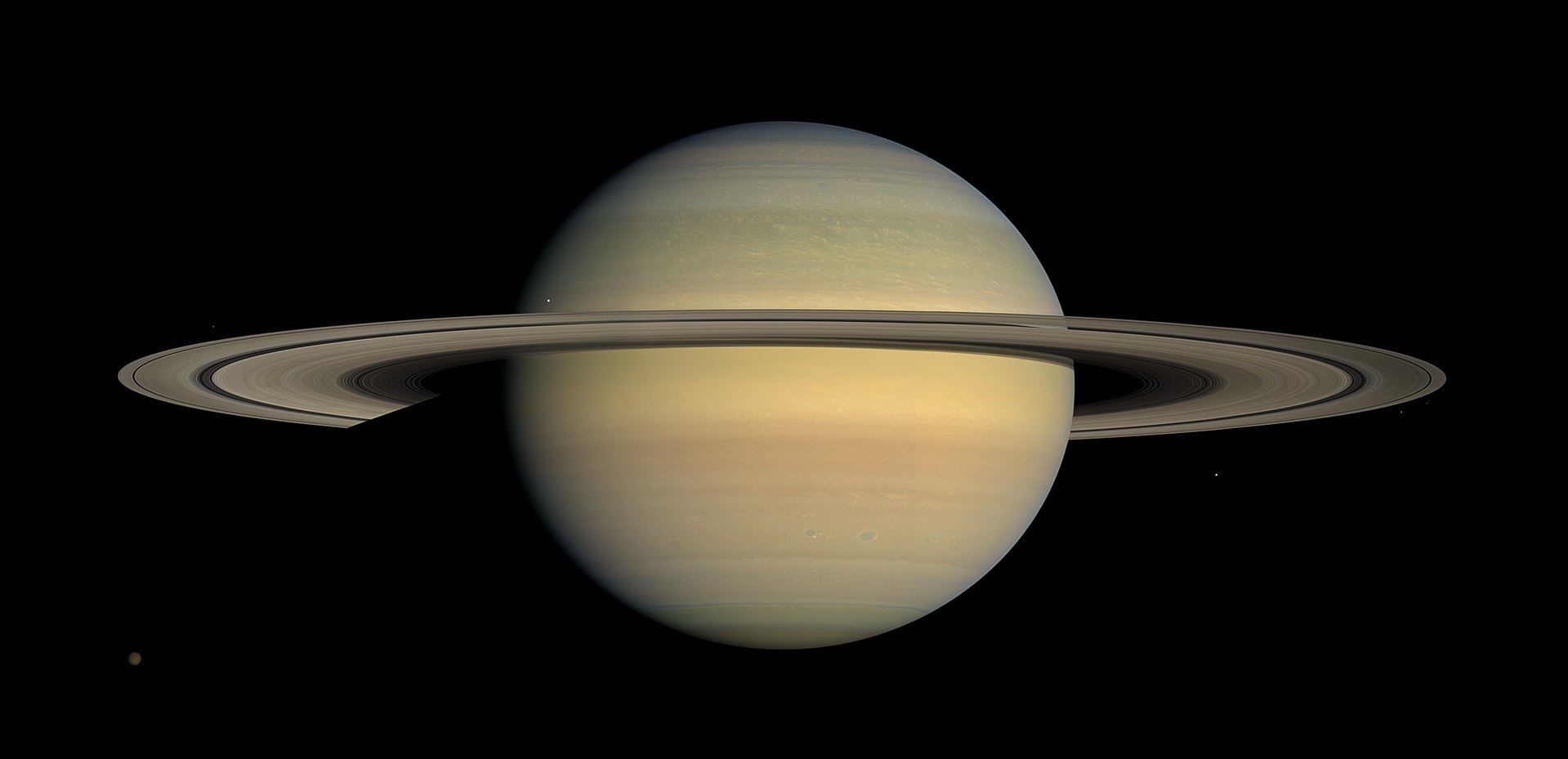
1979: Pioneer 11 becomes the first spacecraft to visit Saturn
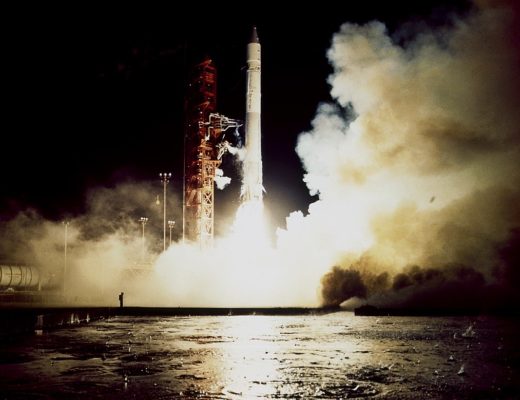
Pioneer 11 passed by Saturn on September 1, 1979, at a distance of 21 000 km from Saturn’s cloud tops.
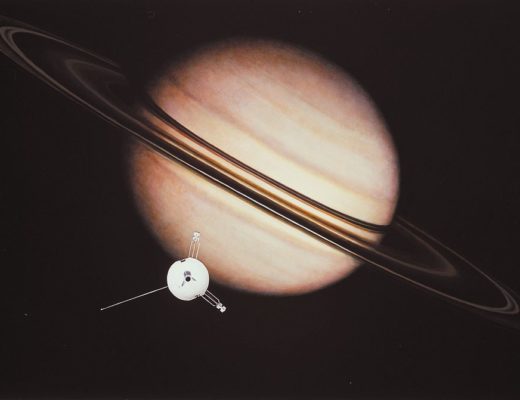
By this time Voyager 1 and Voyager 2 had already passed Jupiter and were also en route to Saturn, so it was decided to target Pioneer 11 to pass through the Saturn ring plane at the same position that the soon-to-come Voyager probes would use in order to test the route before the Voyagers arrived. If there were faint ring particles that could damage a probe in that area, mission planners felt it was better to learn about it via Pioneer. Thus, Pioneer 11 was acting as a ‘pioneer’ in a true sense of the word; if danger were detected, then the Voyager probes could be rerouted further away from the rings, but missing the opportunity to visit Uranus and Neptune in the process.
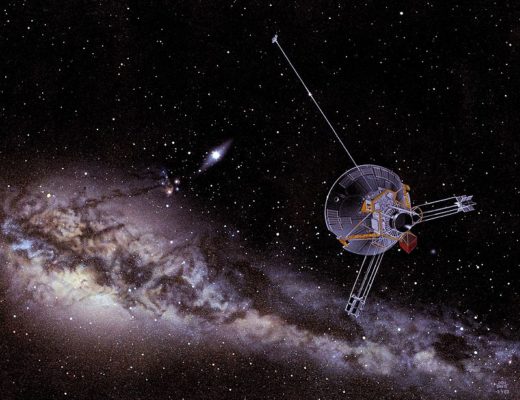
Pioneer 11 imaged and nearly collided with one of Saturn’s small moons, passing at a distance of no more than 4 000 kilometers (2 500 miles). The object was tentatively identified as Epimetheus, a moon discovered the previous day from Pioneer’s imaging, and suspected from earlier observations by Earth-based telescopes.
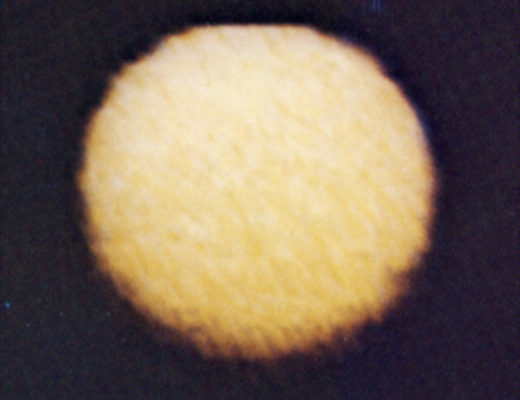
After the Voyager flybys, it became known that there are two similarly-sized moons (Epimetheus and Janus) in the same orbit, so there is some uncertainty about which one was the object of Pioneer’s near-miss. Pioneer 11 encountered Janus on September 1, 1979 at 14.52 UTC at a distance of 2 500km and Mimas at 16.20 UTC the same day at 103 000km.
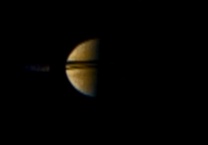
Besides Epimetheus, instruments located another previously undiscovered small moon and an additional ring, charted Saturn’s magnetosphere and magnetic field and found its planet-size moon, Titan, to be too cold for life. Hurtling underneath the ring plane, the probe sent back pictures of Saturn’s rings. The rings, which normally seem bright when observed from Earth, appeared dark in the Pioneer pictures, and the dark gaps in the rings seen from Earth appeared as bright rings.
HAVE YOUR SAY
Like our Facebook page, follow us on Twitter and Instagram
For news straight to your phone, add us on BBM 58F3D7A7 or WhatsApp 082 421 6033