September 2: On This Day in World History … briefly
Most notable historic snippets or facts extracted from the book ‘On This Day’ first published in 1992 by Octopus Publishing Group Ltd, London, as well as additional supplementary information extracted from Wikipedia.
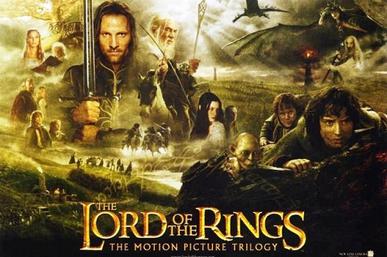
1973: Tolkien departs Middle Earth
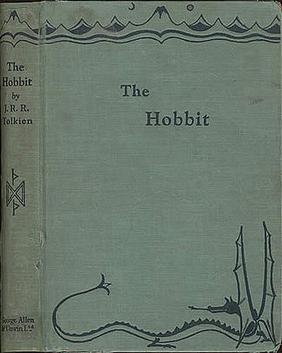
John Ronald Reuel Tolkien, (3 January 1892 – 2 September 1973) was an English writer, poet, philologist, and university professor who is best known as the author of the classic high fantasy works The Hobbit, The Lord of the Rings, and The Silmarillion.
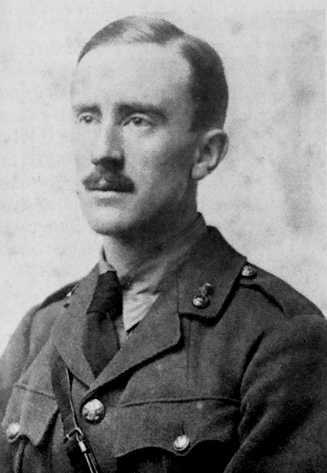
JRR Tolkien was born on 3 January 1892 in Bloemfontein in the Orange Free State (now Free State Province in South Africa) to Arthur Reuel Tolkien (1857–1896), an English bank manager, and his wife Mabel, née Suffield (1870–1904). The couple had left England when Arthur was promoted to head the Bloemfontein office of the British bank for which he worked. Tolkien had one sibling, his younger brother, Hilary Arthur Reuel Tolkien, who was born on 17 February 1894.
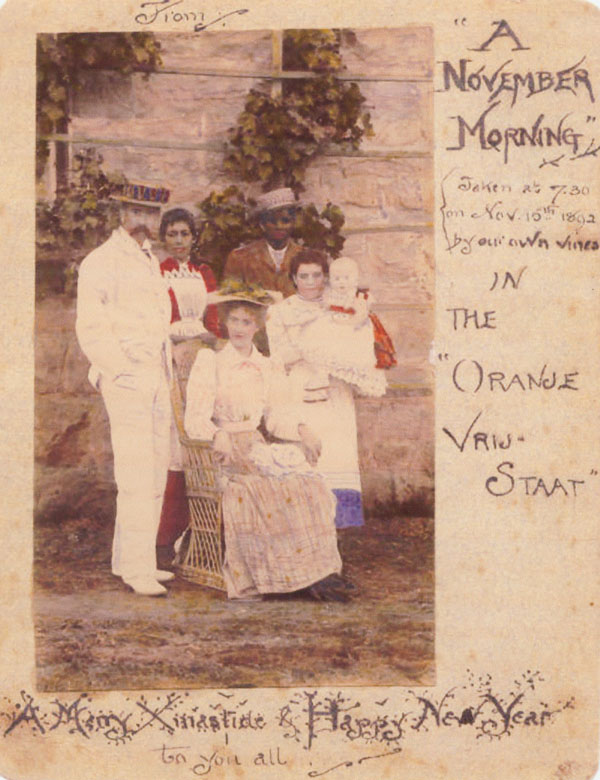
As a child, Tolkien was bitten by a large baboon spider in the garden, an event some think later echoed in his stories, although he admitted no actual memory of the event and no special hatred of spiders as an adult. In another incident, a young family servant, who thought Tolkien a beautiful child, took the baby to his kraal to show him off, returning him the next morning.
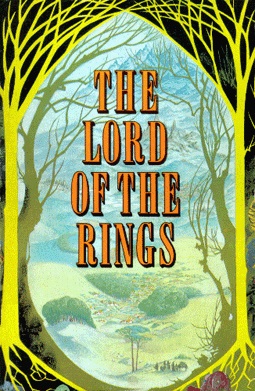
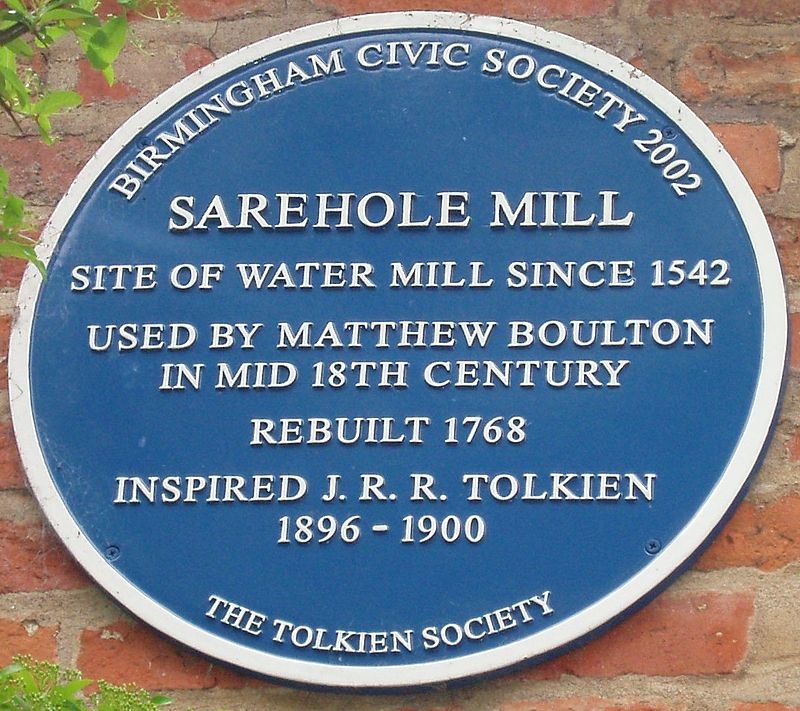
When he was three, he went to England with his mother and brother on what was intended to be a lengthy family visit. His father, however, died in South Africa of rheumatic fever before he could join them. This left the family without an income, so Tolkien’s mother took him to live with her parents in Kings Heath, Birmingham. Soon after, in 1896, they moved to Sarehole (now in Hall Green), then a Worcestershire village, later annexed to Birmingham. He enjoyed exploring Sarehole Mill and Moseley Bog and the Clent, Lickey and Malvern Hills, which would later inspire scenes in his books, along with nearby towns and villages such as Bromsgrove, Alcester, and Alvechurch and places such as his Aunt Jane’s farm of Bag End, the name of which he used in his fiction.
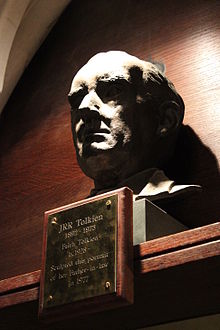
He served as the Rawlinson and Bosworth Professor of Anglo-Saxon and Fellow of Pembroke College, Oxford, from 1925 to 1945 and Merton Professor of English Language and Literature and Fellow of Merton College, Oxford, from 1945 to 1959. He was at one time a close friend of CS Lewis—they were both members of the informal literary discussion group known as the Inklings. Tolkien was appointed a Commander of the Order of the British Empire by Queen Elizabeth II on 28 March 1972.
After Tolkien’s death, his son Christopher published a series of works based on his father’s extensive notes and unpublished manuscripts, including The Silmarillion. These, together with The Hobbit and The Lord of the Rings, form a connected body of tales, poems, fictional histories, invented languages, and literary essays about a fantasy world called Arda and Middle-earth within it. Between 1951 and 1955, Tolkien applied the term legendarium to the larger part of these writings.
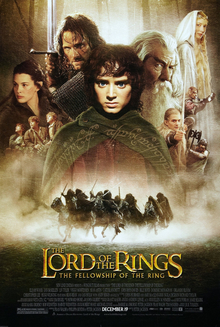
While many other authors had published works of fantasy before Tolkien, the great success of The Hobbit and The Lord of the Rings led directly to a popular resurgence of the genre. This has caused Tolkien to be popularly identified as the “father” of modern fantasy literature – or, more precisely, of high fantasy. In 2008, The Times ranked him sixth on a list of ‘The 50 greatest British writers since 1945’. Forbes ranked him the 5th top-earning ‘dead celebrity’ in 2009.
HAVE YOUR SAY
Like our Facebook page, follow us on Twitter and Instagram
For news straight to your phone, add us on BBM 58F3D7A7 or WhatsApp 082 421 6033