September 18: On This Day in World History … briefly
Most notable historic snippets or facts extracted from the book ‘On This Day’ first published in 1992 by Octopus Publishing Group Ltd, London, as well as additional supplementary information extracted from Wikipedia.
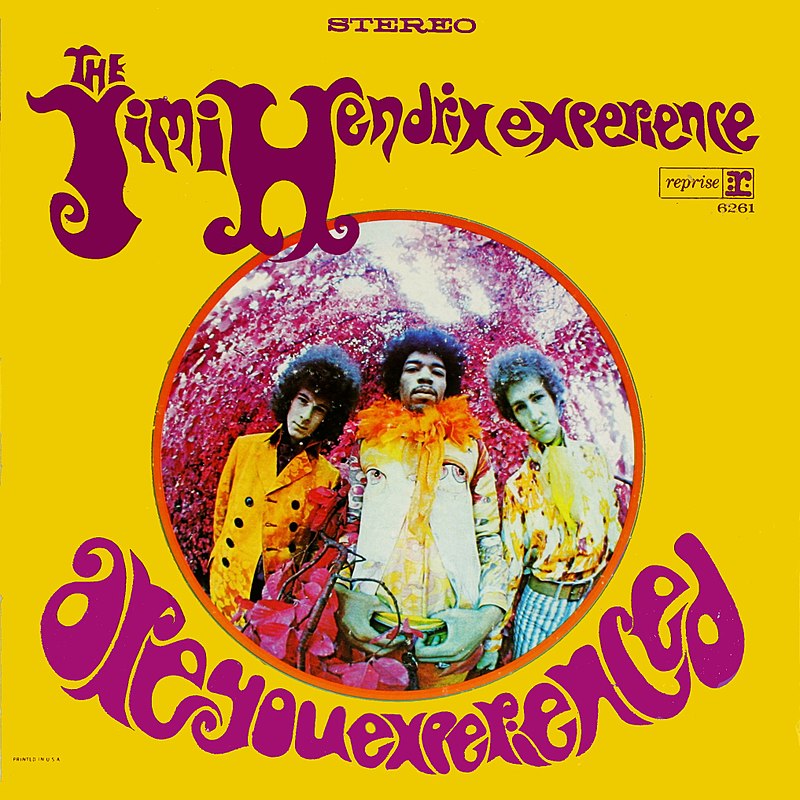
1970: No help for desperate Hendrix
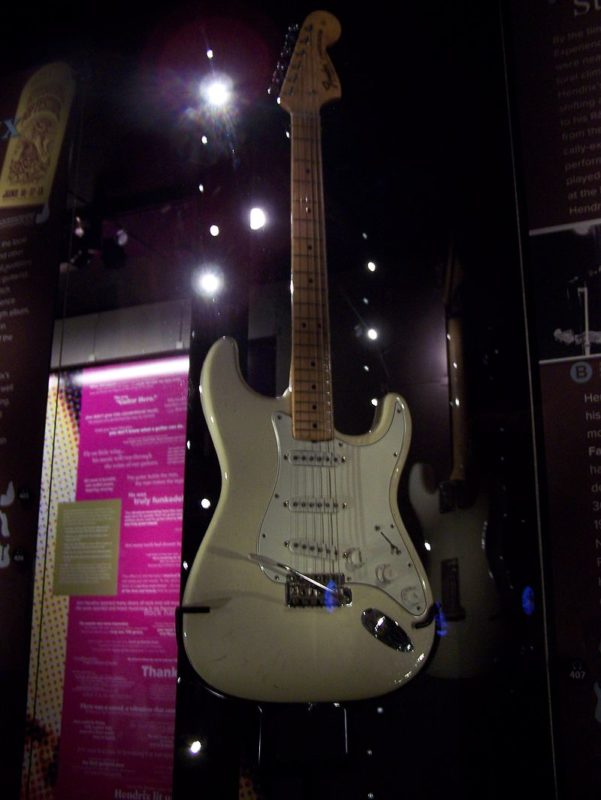
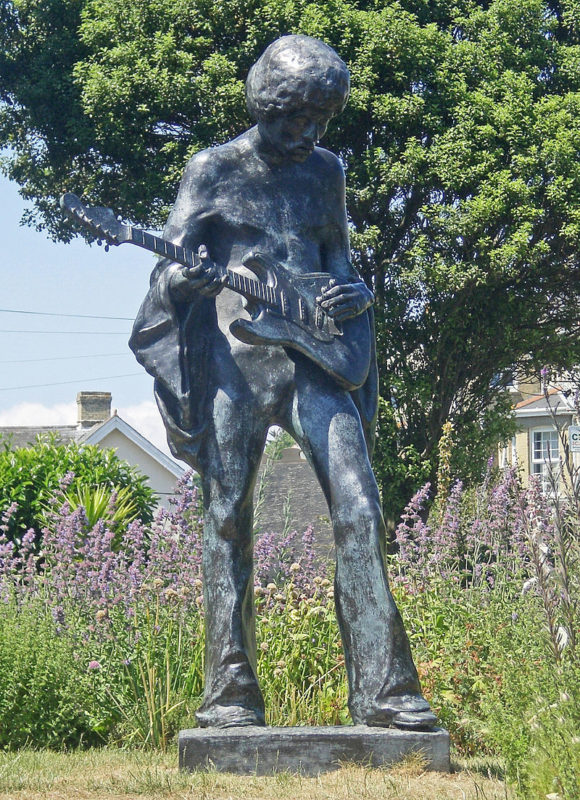
James Marshall ‘Jimi’ Hendrix (born Johnny Allen Hendrix; November 27, 1942 – September 18, 1970) was an American rock guitarist, singer, and songwriter. Although his mainstream career spanned only four years, he is widely regarded as one of the most influential electric guitarists in the history of popular music, and one of the most celebrated musicians of the 20th century. The Rock and Roll Hall of Fame describes him as ‘arguably the greatest instrumentalist in the history of rock music’.
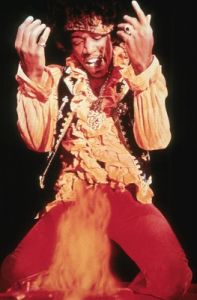
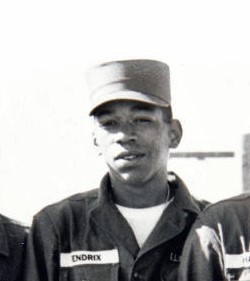
Born in Seattle, Washington, Hendrix began playing guitar at the age of 15. In 1961, he enlisted in the US Army and trained as a paratrooper in the 101st Airborne Division; he was granted an honourable discharge the following year. Soon afterward, he moved to Clarksville, Tennessee, and began playing gigs on the Chitlin’ Circuit, earning a place in the Isley Brothers’ backing band and later with Little Richard, with whom he continued to work through mid-1965. He then played with Curtis Knight and the Squires before moving to England in late 1966 after being discovered by Linda Keith, who in turn interested bassist Chas Chandler of the Animals in becoming his first manager.
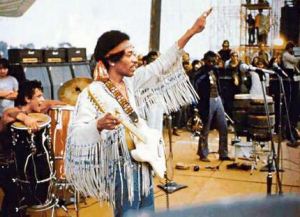
Within months, Hendrix had earned three UK top ten hits with the Jimi Hendrix Experience: ‘Hey Joe’, ‘Purple Haze’, and ‘The Wind Cries Mary’. He achieved fame in the US after his performance at the Monterey Pop Festival in 1967, and in 1968 his third and final studio album, Electric Ladyland, reached number one in the US; it was Hendrix’s most commercially successful release and his first and only number one album. The world’s highest-paid performer, he headlined the Woodstock Festival in 1969 and the Isle of Wight Festival in 1970, before his accidental death from barbiturate-related asphyxia on September 18, 1970, at the age of 27.
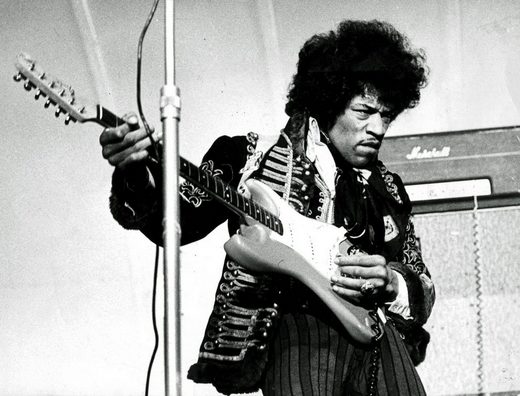
Hendrix was inspired musically by American rock and roll and electric blues. He favoured overdriven amplifiers with high volume and gain, and was instrumental in popularising the previously undesirable sounds caused by guitar amplifier feedback. He was also one of the first guitarists to make extensive use of tone altering effects units, such as fuzz tone, Octavia, wah-wah, and Uni-Vibe in mainstream rock. He was the first artist to use stereophonic phasing effects in music recordings. Holly George-Warren of Rolling Stone commented: ‘Hendrix pioneered the use of the instrument as an electronic sound source. Players before him had experimented with feedback and distortion, but Hendrix turned those effects and others into a controlled, fluid vocabulary every bit as personal as the blues with which he began.’
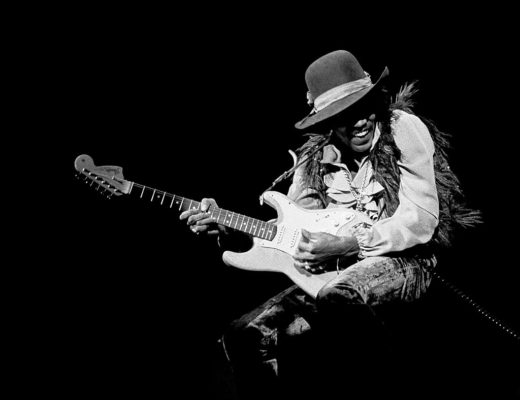
Hendrix was the recipient of several music awards during his lifetime and posthumously. In 1967, readers of Melody Maker voted him the Pop Musician of the Year, and in 1968, Rolling Stone declared him the Performer of the Year. Disc and Music Echo honoured him with the World Top Musician of 1969 and in 1970, Guitar Player named him the Rock Guitarist of the Year. The Jimi Hendrix Experience was inducted into the Rock and Roll Hall of Fame in 1992 and the UK Music Hall of Fame in 2005. Rolling Stone ranked the band’s three studio albums, Are You Experienced, Axis: Bold as Love, and Electric Ladyland, among the 100 greatest albums of all time, and they ranked Hendrix as the greatest guitarist and the sixth greatest artist of all time.
In the early hours of September 18, Hendrix called his ex-manager Chas Chandler from his girlfriend’s flat in London’s Ladbroke Grove, but Chandler wasn’t home. Hendrix left a message on Chandler’s answering machine: “I need help bad.” But no help came and Hendrix was pronounced dead on arrival at St Mary’s Hospital at 11.45am, killed by an accidental overdose of sleeping tablets.
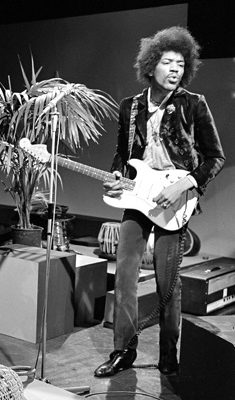
He was only 27. Jimi Hendrix was probably the most powerful thing that ever happened to the guitar – a rock ’n roll genius with a solid background in the blues and an outrageously sexy stage act. He was the highest paid act at Woodstock Festival in 1969 and the star of the Isle of Wight Festival in 1970. But he had been beleaguered by law suits over royalties and contracts, squabbling managers and bands that broke up around him.
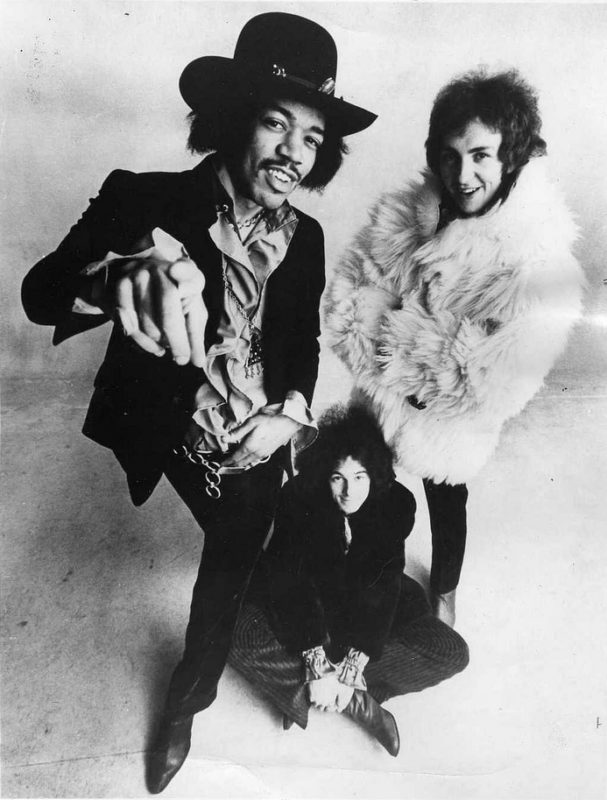
He ended a troubled tour in Denmark four days before his death, leaving the stage in mid-performance with the fateful words: “I’ve been dead for a long time.”
HAVE YOUR SAY
Like our Facebook page, follow us on Twitter and Instagram
For news straight to your phone, add us on BBM 58F3D7A7 or WhatsApp 082 421 6033