September 22: On This Day in World History … briefly
Most notable historic snippets or facts extracted from the book ‘On This Day’ first published in 1992 by Octopus Publishing Group Ltd, London, as well as additional supplementary information extracted from Wikipedia.
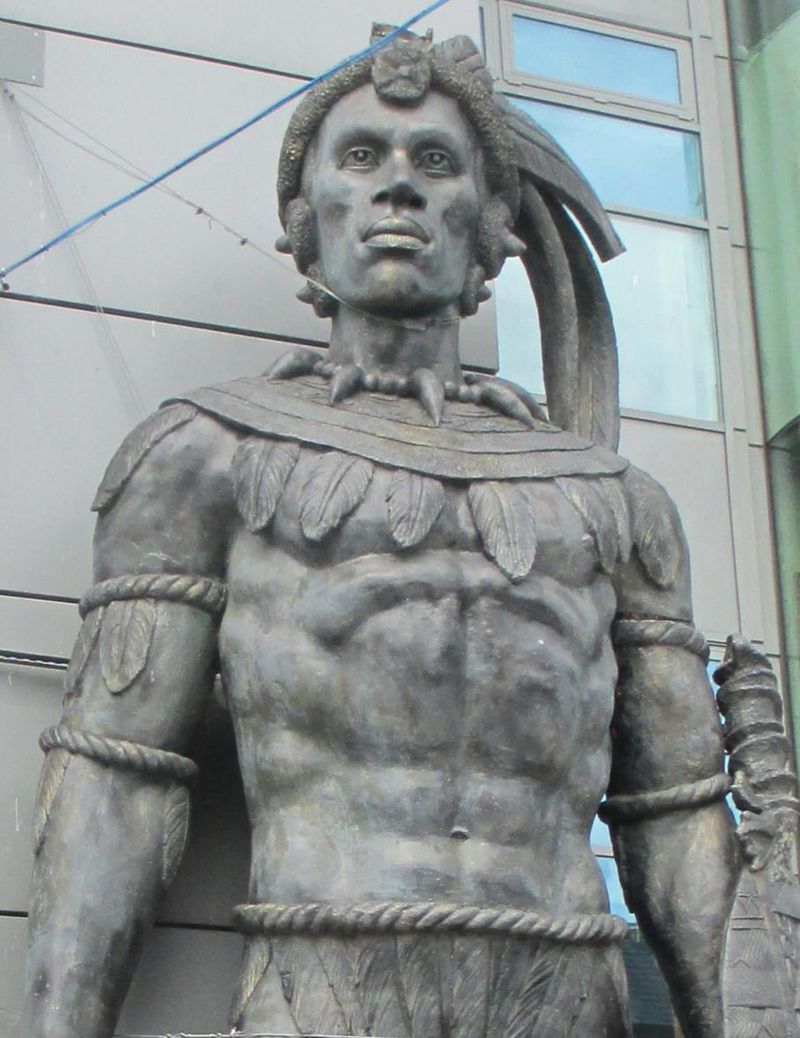
1828: ‘Zulu Napoleon’ Shaka Zulu is murdered at the hands of his half-brothers
Shaka kaSenzangakhona (1787 – 1828), also known as Shaka Zulu was one of the most influential monarchs of the Zulu Kingdom.
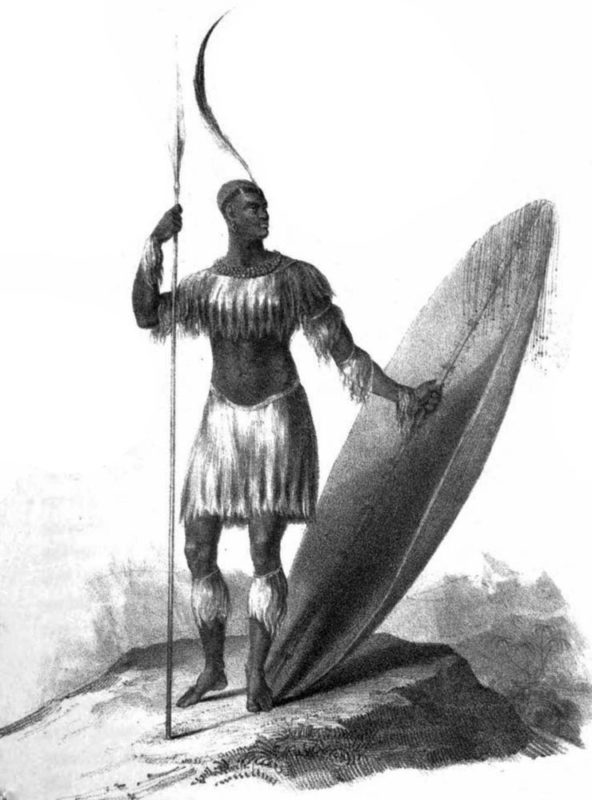
He was born in the month of lunar month of uNtulikazi (July) in the year of 1787 near present-day Melmoth, KwaZulu-Natal Province. According to tradition, Shaka was conceived during an act of what began as ‘ukuhlobonga’, a form of sexual foreplay without penetration allowed to unmarried couples, also known as ‘the fun of the roads’ (amahlaya endlela), during which the lovers became ‘carried away’. Due to persecution as a result of his illegitimacy, Shaka spent his childhood in his mother’s settlements where he was initiated into an ibutho lempi (fighting unit). In his early days, Shaka served as a warrior under the sway of Dingiswayo.
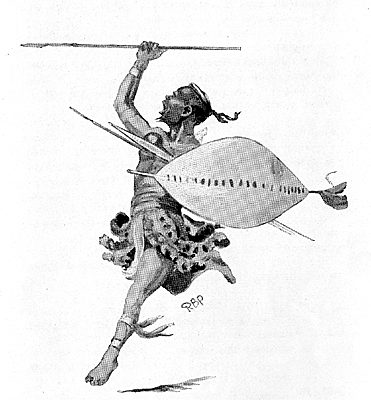
Shaka went on to further refine the ibutho system used by Dingiswayo and others and, with the Mthethwa Empire’s support over the next several years, forged alliances with his smaller neighbours, to counter the growing threat from Ndwandwe raids from the north. The initial Zulu maneuvers were primarily defensive in nature, as Shaka preferred to apply pressure diplomatically, aided by an occasional strategic assassination. His changes to local society built on existing structures. Although he preferred social and propagandistic political methods, he also engaged in a number of battles, as the Zulu sources make clear. In turn, he was ultimately assassinated by his own half-brothers, Dingane and Mhlangana.
‘He is Shaka the unshakeable,
Thunderer-while-sitting, son of Menzi
He is the bird that preys on other birds,
The battle-axe that excels over other battle-axes in sharpness,
He is the long-strided pursuer, son of Ndaba,
Who pursued the sun and the moon.
He is the great hubbub like the rocks of Nkandla
Where elephants take shelter
When the heavens frown… ‘
Traditional Zulu praise song, English translation by Ezekiel Mphahlele
The figure of Shaka still sparks interest among not only the contemporary Zulu but many worldwide who have encountered the tribe and its history. The current tendency appears to be to lionise him; popular film and other media have certainly contributed to his appeal. Certain aspects of traditional Zulu culture still revere the dead monarch, as the typical praise song below attests. The praise song is one of the most widely used poetic forms in Africa, applying not only to spirits but to men, animals, plants and even towns.
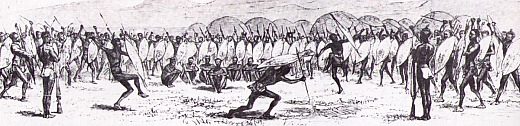
Other Zulu sources are sometimes critical of Shaka, and numerous negative images abound in Zulu oral history. When Shaka’s mother Nandi died for example, the monarch ordered a massive outpouring of grief including mass executions, forbidding the planting of crops or the use of milk, and the killing of all pregnant women and their husbands. Oral sources record that in this period of devastation, a singular Zulu, a man named Gala, eventually stood up to Shaka and objected to these measures, pointing out that Nandi was not the first person to die in Zululand. Taken aback by such candid talk, the Zulu king is supposed to have called off the destructive edicts, rewarding the blunt teller-of-truths with a gift of cattle.
The figure of Shaka thus remains an ambiguous one in African oral tradition, defying simplistic depictions of the Zulu king as a heroic, protean nation builder on one hand, or a depraved monster on the other. This ambiguity continues to lend the image of Shaka its continued power and influence, almost two centuries after his death.
HAVE YOUR SAY
Like our Facebook page, follow us on Twitter and Instagram
For news straight to your phone, add us on BBM 58F3D7A7 or WhatsApp 082 421 6033