September 28: On This Day in World History … briefly
MS Estonia – the roll-on/roll-off (RORO) vessel sank in heavy seas and an investigation concluded that the failure of the bow visor door allowed water from the Baltic Sea to enter the ship.
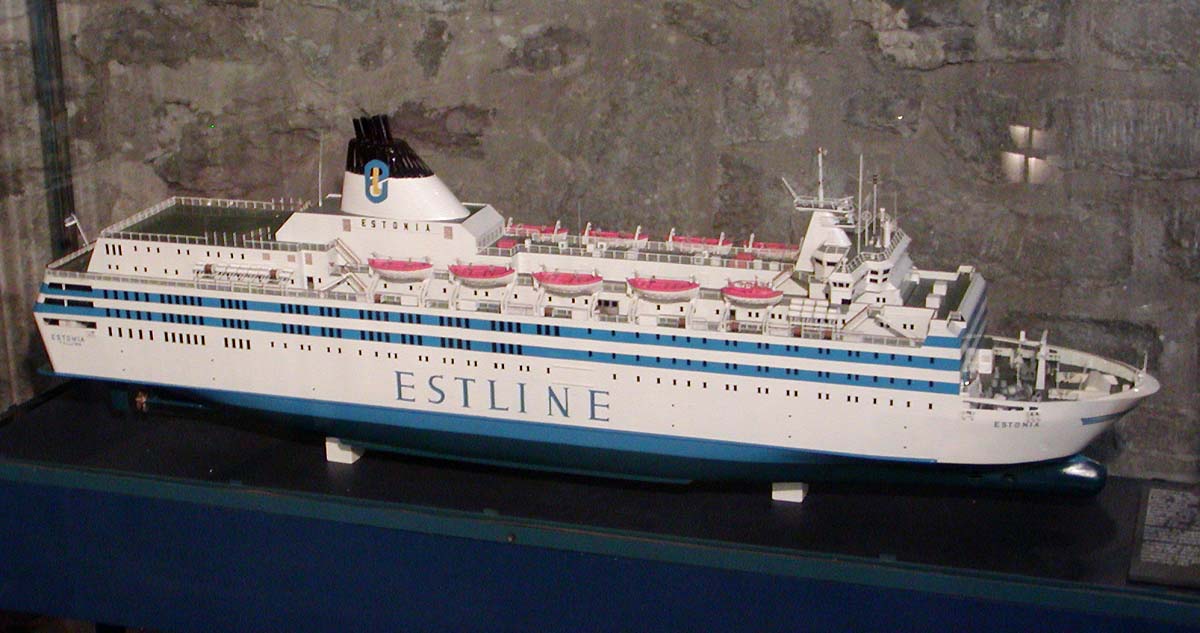
1994: MS Estonia ferry capsizes, killing 852 people
MS Estonia, previously Viking Sally (1980–1990), Silja Star (1990–1991), and Wasa King (1991–1993), was a cruise ferry built in 1979/80 at the German shipyard Meyer Werft in Papenburg. The ship sank in 1994 in the Baltic Sea in one of the worst maritime disasters of the 20th century. It is the second-deadliest European shipwreck disaster to have occurred in peacetime and the deadliest peacetime shipwreck to have occurred in European waters, with 852 lives lost.
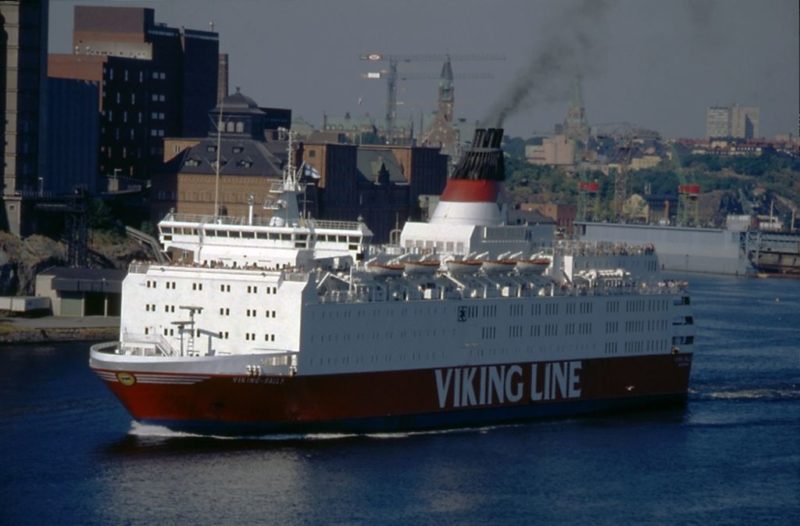
Rescue effort
Search and rescue followed arrangements set up under the 1979 International Convention on Maritime Search and Rescue (the SAR Convention), and the nearest Maritime Rescue Co-ordination Centre MRCC Turku coordinated the effort in accordance with Finland’s plans. The Baltic is one of the world’s busiest shipping areas, with 2,000 vessels at sea at any time, and these plans assumed the ship’s own boats and nearby ferries would provide immediate help and that helicopters could be airborne after an hour. This scheme had worked for the relatively small number of accidents involving sinkings, particularly as most ships have few people on board.
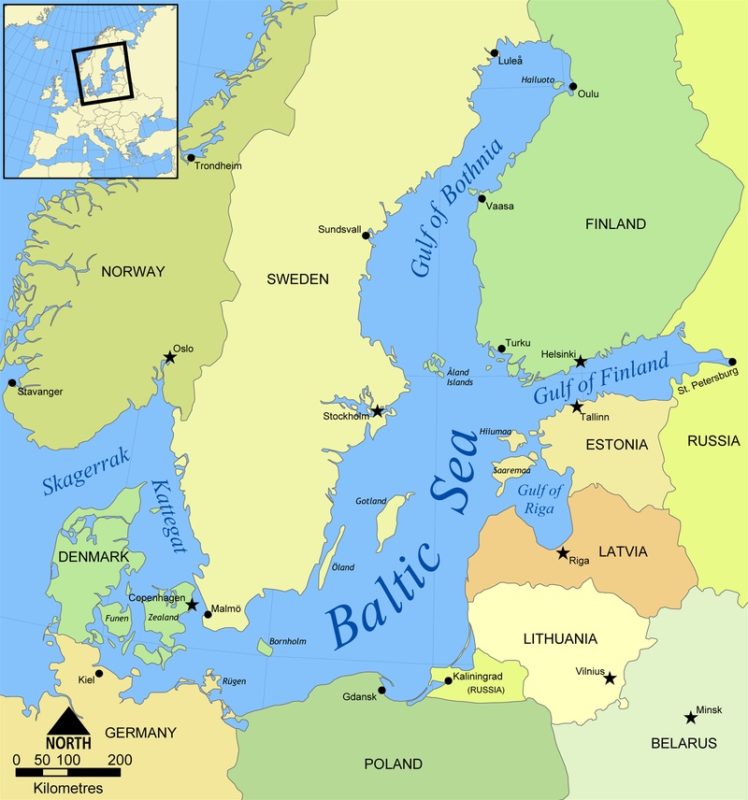
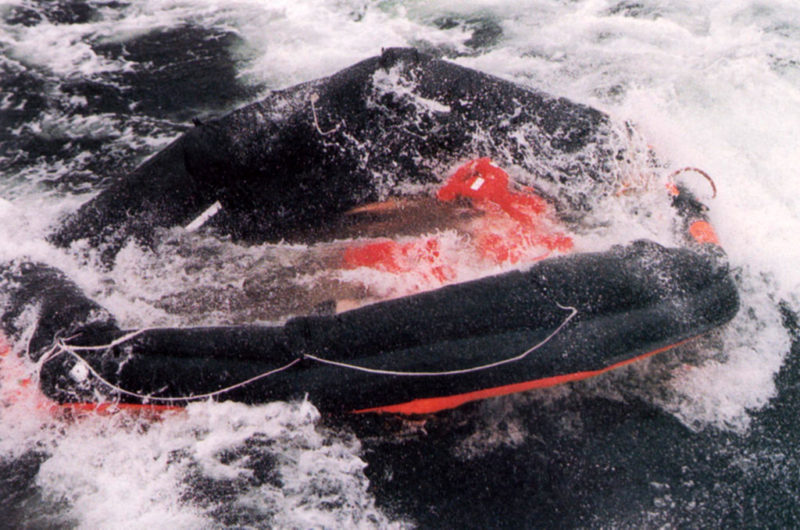
Mariella, the first of five ferries to reach the scene of the accident, arrived at 02.12. MRCC Turku failed to acknowledge the Mayday immediately and Mariella’s report was relayed by Helsinki Radio as the less urgent pan-pan message. A full-scale emergency was only declared at 02:30. Mariella winched open liferafts into the sea onto which 13 people on Estonia’s rafts successfully transferred, and reported the location of other rafts to Swedish and Finnish rescue helicopters, the first of which arrived at 03:05. The former took survivors to shore, while the latter—Finnish border guard helicopters Super Puma OH-HVG and Agusta Bell 412 OH-HVD—chose the riskier option of landing on the ferries. The pilot of OH-HVG stated that landing on the ferries was the most difficult part of the whole rescue operation; despite that, this single helicopter rescued 44 people, more than all the ferries. Isabella saved 16 survivors with her rescue slide.
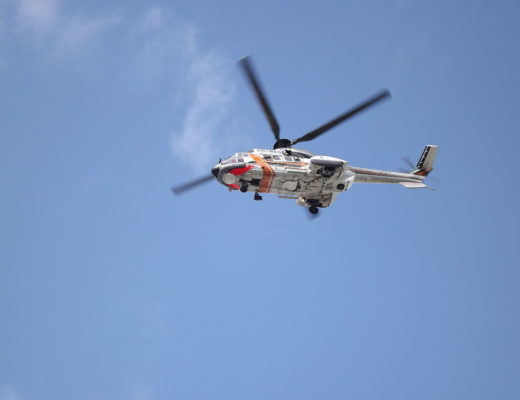
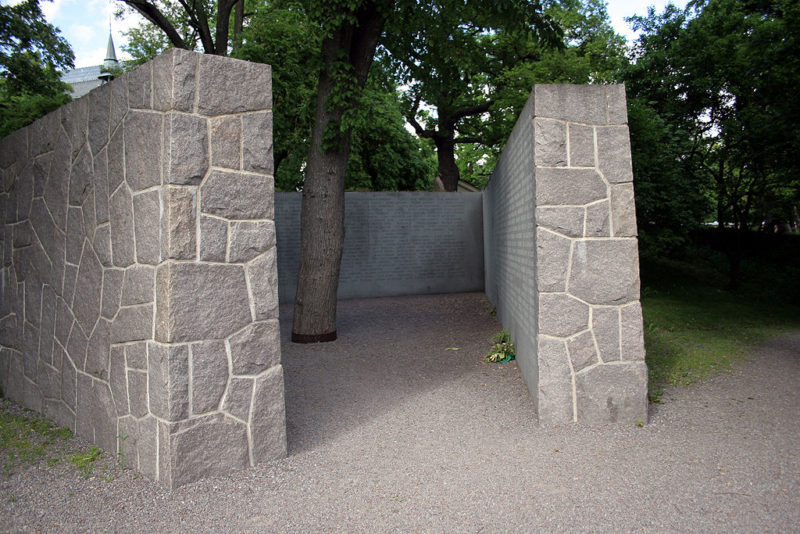
Of the 989 on board, 138 were rescued alive, one of whom died later in hospital. Ships rescued 34 and helicopters 104; the ferries played a much smaller part than the planners had intended because it was too dangerous to launch their man-overboard (MOB) boats or lifeboats. The accident claimed 852 lives (501 Swedes, 285 Estonians, 17 Latvians, 10 Finns and 44 people of other nationalities: 1 from each of Belarus, Canada, France, the Netherlands, Nigeria, Ukraine and the United Kingdom, 2 from Morocco, 3 from Lithuania, 5 from Denmark, 6 from Norway, 10 from Germany, 11 from Russia). Most died by drowning and hypothermia, as the water temperature was 10–11 °C/50–52 °F. One prominent victim of the sinking was the Estonian singer Urmas Alender. 94 bodies were recovered; 93 within 33 days of the accident, the last was found 18 months later. By the time the rescue helicopters arrived, around a third of those who escaped the Estonia had died of hypothermia, while fewer than half of those who had managed to leave the ship were eventually rescued. The survivors of the shipwreck were mostly young, of strong constitution, and male. Seven over 55 years of age survived; there were no survivors under age 12. About 650 people were still inside the ship when it sank, and believed to remain there. The commission estimate up to 310 passengers reached the outer decks, 160 of whom boarded the life-rafts or lifeboats essential for survival.
Official investigation and report
The wreck was examined and videotaped by remotely operated underwater vehicles and by divers from a Norwegian company, Rockwater A/S, contracted for the investigation work. The official report indicated that the locks on the bow door had failed from the strain of the waves and the door had separated from the rest of the vessel, pulling the ramp behind it ajar. The bow visor and ramp had been torn off at points that would not trigger an ‘open’ or ‘unlatched’ warning on the bridge, as is the case in normal operation or failure of the latches. The bridge was also situated too far back on the ferry for the visor to be seen from there. While there was video monitoring of the inner ramp, the monitor on the bridge was not visible from the conning station. The bow visor was under-designed, as manufacturing and approval process did not consider the visor and its attachments as critical items regarding ship safety. The first metallic bang was believed to have been the sound of the visor’s lower locking mechanism failing, and subsequent noises were the visor ‘flapping’ against the hull as the other locks failed, before tearing free and exposing the bow ramp. The subsequent failure of the bow ramp allowed water into the vehicle deck, which was identified as the main cause of the capsizing and sinking: RORO ferries with their wide vehicle decks are particularly vulnerable to capsizing if the car deck is even slightly flooded because of free surface effect: the fluid’s swirling motion across such a large area hampers the boat’s ability to right itself after rolling with a wave. The same effect caused the capsizing of the Herald of Free Enterprise seven years earlier.
The report was critical of the crew’s actions, particularly for failing to reduce speed before investigating the noises emanating from the bow, and for being unaware that the list was being caused by water entering the vehicle deck. There were also general criticisms of the delays in sounding the alarm, the passivity of the crew, and the lack of guidance from the bridge. Recommendations for modifications to be applied to similar ships included separation of the condition sensors from the latch and hinge mechanisms.
Most notable historic snippets or facts extracted from the book ‘On This Day’ first published in 1992 by Octopus Publishing Group Ltd, London, as well as additional supplementary information extracted from Wikipedia.
HAVE YOUR SAY
Like our Facebook page, follow us on Twitter and Instagram
For news straight to your phone, add us on BBM 58F3D7A7 or WhatsApp 082 421 6033