October 3: On This Day in World History … briefly
Her works began achieving literary recognition early in her career, with her first international recognition in 1961, followed by numerous literary awards throughout the ensuing decades.
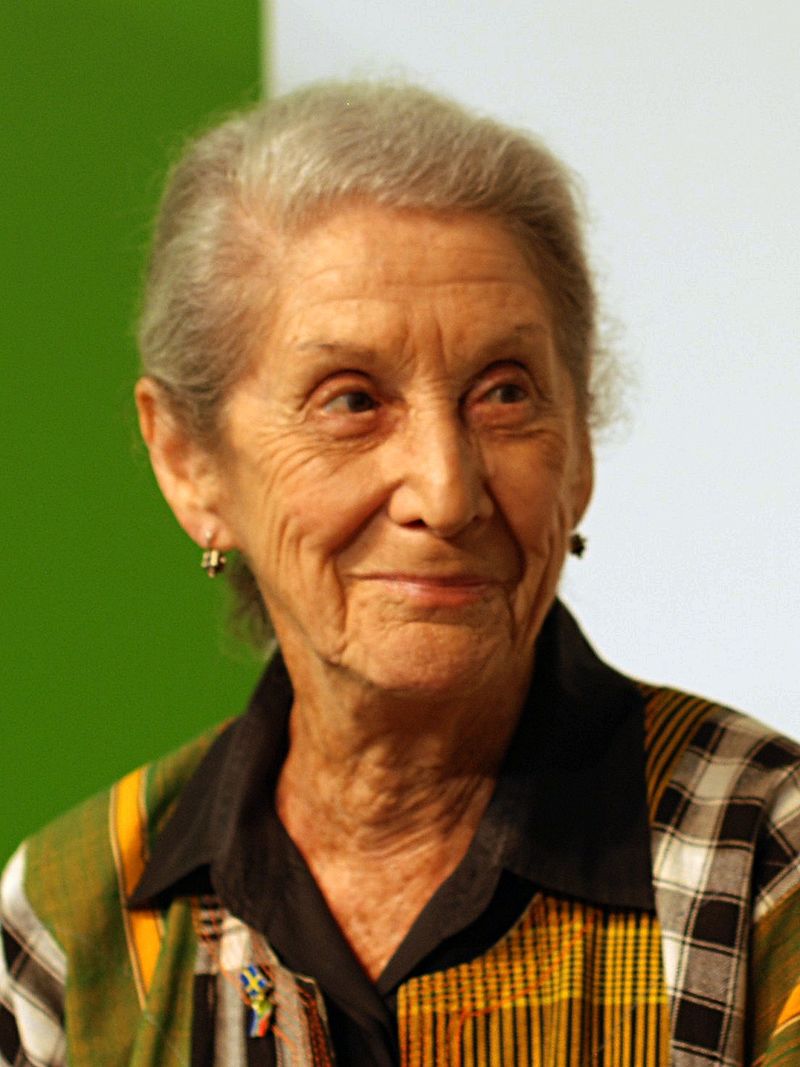
1991: Nadine Gordimer wins the Nobel Prize in Literature
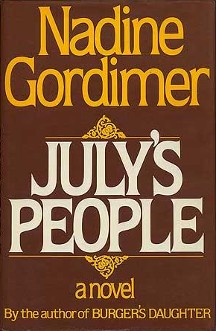
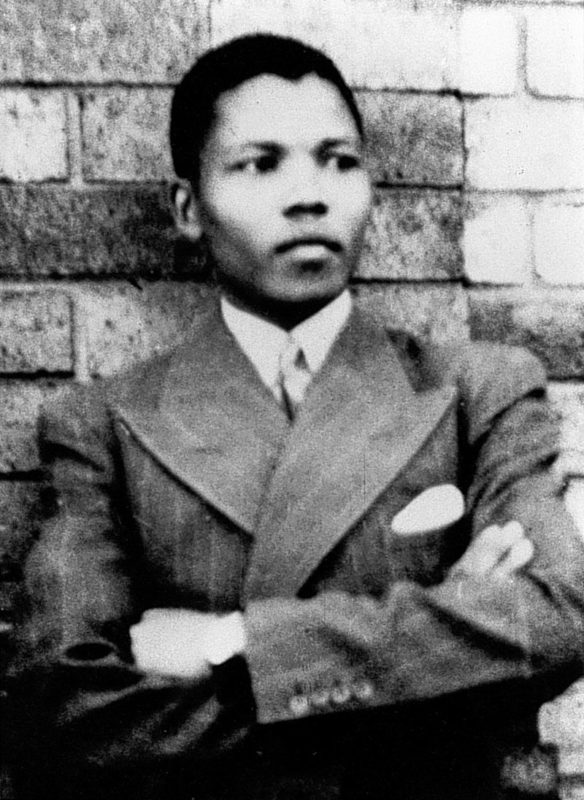
Nadine Gordimer (20 November 1923 – 13 July 2014) was a South African writer, political activist and recipient of the 1991 Nobel Prize in Literature. She was recognised as a woman ‘who through her magnificent epic writing has – in the words of Alfred Nobel – been of very great benefit to humanity’. Gordimer’s writing dealt with moral and racial issues, particularly apartheid in South Africa. Under that regime, works such as Burger’s Daughter and July’s People were banned. She was active in the anti-apartheid movement, joining the African National Congress (ANC) during the days when the organisation was banned and gave Nelson Mandela advice on his famous 1964 defence speech at the trial which led to his conviction for life. She was also active in HIV/AIDS causes.

Gordimer’s activism was not limited to the struggle against apartheid. She resisted censorship and state control of information, and fostered the literary arts. She refused to let her work be aired by the South African Broadcasting Corporation because it was controlled by the apartheid government. Gordimer also served on the steering committee of South Africa’s Anti-Censorship Action Group. A founding member of the Congress of South African Writers, Gordimer was also active in South African letters and international literary organisations. She was vice president of International PEN.
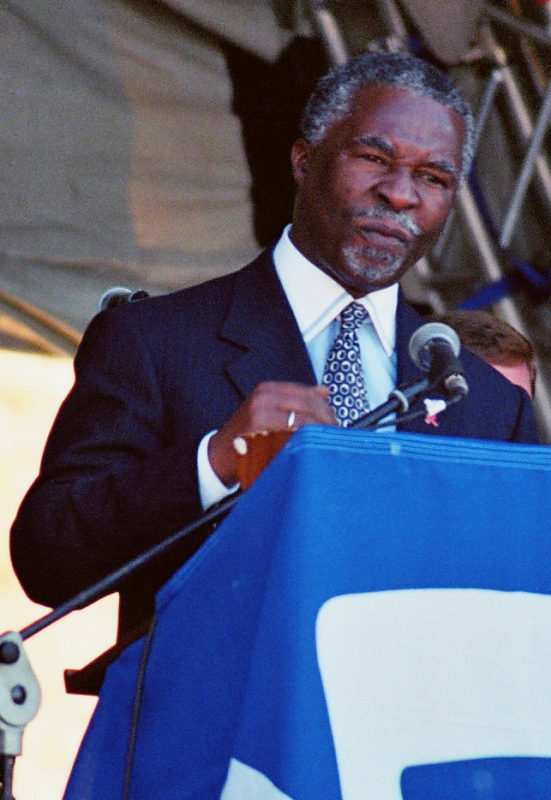
In the post-apartheid 1990s and 21st century, Gordimer was active in the HIV/AIDS movement, addressing a significant public health crisis in South Africa. In 2004, she organised about 20 major writers to contribute short fiction for Telling Tales, a fundraising book for South Africa’s Treatment Action Campaign, which lobbies for government funding for HIV/AIDS prevention and care. On this matter, she was critical of the South African government, noting in 2004 that she approved of everything President Thabo Mbeki had done except his stance on AIDS.
While on lecture tours, she spoke on matters of foreign policy and discrimination beyond South Africa. For instance, in 2005, when Fidel Castro fell ill, Gordimer joined six other Nobel Prize-winners in a public letter to the United States warning it not to seek to destabilise Cuba’s communist government. Gordimer’s resistance to discrimination extended to her even refusing to accept ‘shortlisting’ in 1998 for the Orange Prize, because the award recognises only women writers.
In 2006, Gordimer was attacked in her home by robbers, sparking outrage in the country. Gordimer apparently refused to move into a gated complex, against the advice of some friends.
In a 1979/80 interview, Gordimer identified herself as an atheist, but added “I think I have a basically religious temperament, perhaps even a profoundly religious one.”
Gordimer died in her sleep on 13 July 2014 at the age of 90.
Most notable historic snippets or facts extracted from the book ‘On This Day’ first published in 1992 by Octopus Publishing Group Ltd, London, as well as additional supplementary information extracted from Wikipedia.
HAVE YOUR SAY
Like our Facebook page, follow us on Twitter and Instagram
For news straight to your phone, add us on BBM 58F3D7A7 or WhatsApp 082 421 6033