October 9: On This Day in World History … briefly
Guerrillero Heroico (English - ‘Heroic Guerrilla Fighter’ is an iconic photograph of Marxist revolutionary Che Guevara taken by Alberto Korda. It was captured on March 5, 1960, in Havana, Cuba, at a memorial service for victims of the La Coubre explosion.
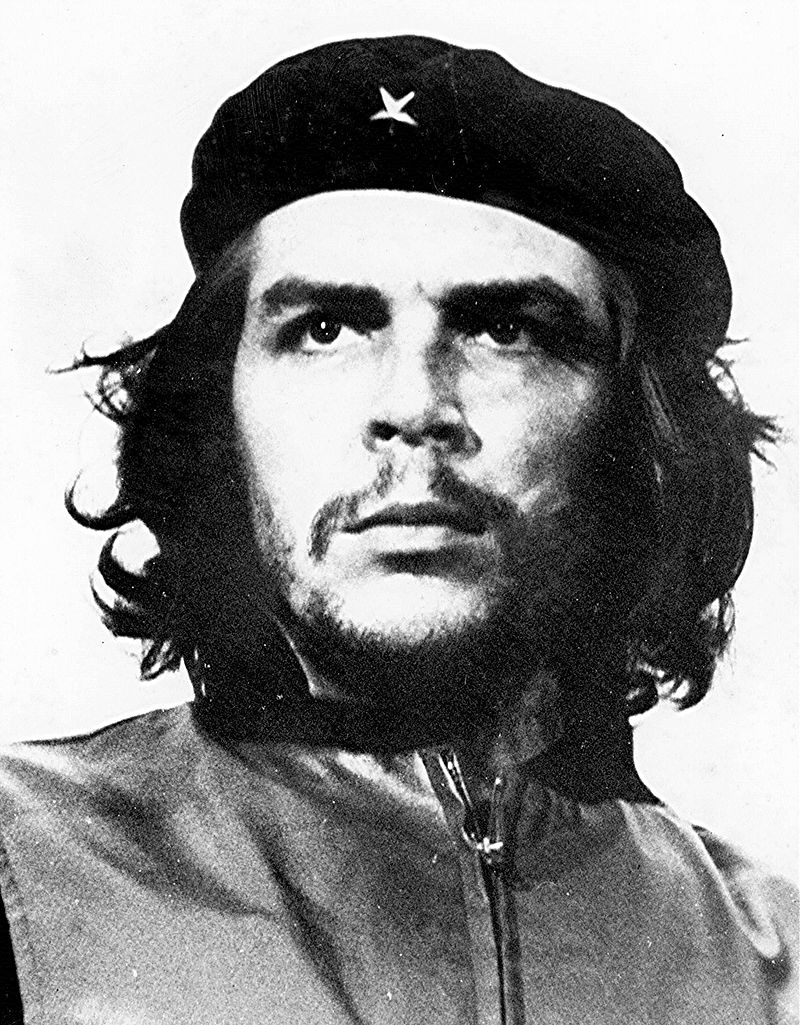
1967: Che shot down on the job
Ernesto ‘Che’ Guevara (June 14, 1928 – October 9, 1967) was an Argentine Marxist revolutionary, physician, author, guerrilla leader, diplomat and military theorist. A major figure of the Cuban Revolution, his stylized visage has become a ubiquitous counter-cultural symbol of rebellion and global insignia in popular culture.
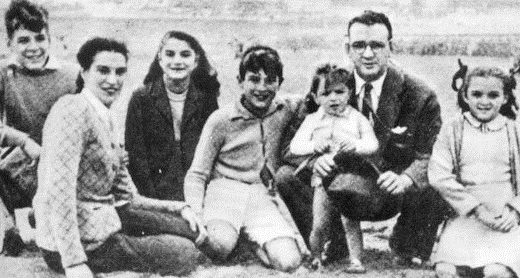
Félix Rodríguez, a Cuban exile turned CIA Special Activities Division operative, advised Bolivian troops during the hunt for Guevara in Bolivia. In addition, the 2007 documentary My Enemy’s Enemy alleges that Nazi war criminal Klaus Barbie advised and possibly helped the CIA orchestrate Guevara’s eventual capture.
On October 7, 1967, an informant apprised the Bolivian Special Forces of the location of Guevara’s guerrilla encampment in the Yuro ravine. On the morning of October 8, they encircled the area with two battalions numbering 1 800 soldiers and advanced into the ravine triggering a battle where Guevara was wounded and taken prisoner while leading a detachment with Simeón Cuba Sarabia.
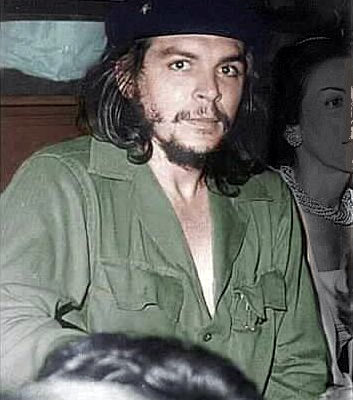
Che biographer Jon Lee Anderson reports Bolivian Sergeant Bernardino Huanca’s account: that as the Bolivian Rangers approached, a twice-wounded Guevara, his gun rendered useless, threw up his arms in surrender and shouted to the soldiers: “Do not shoot! I am Che Guevara and I am worth more to you alive than dead.”
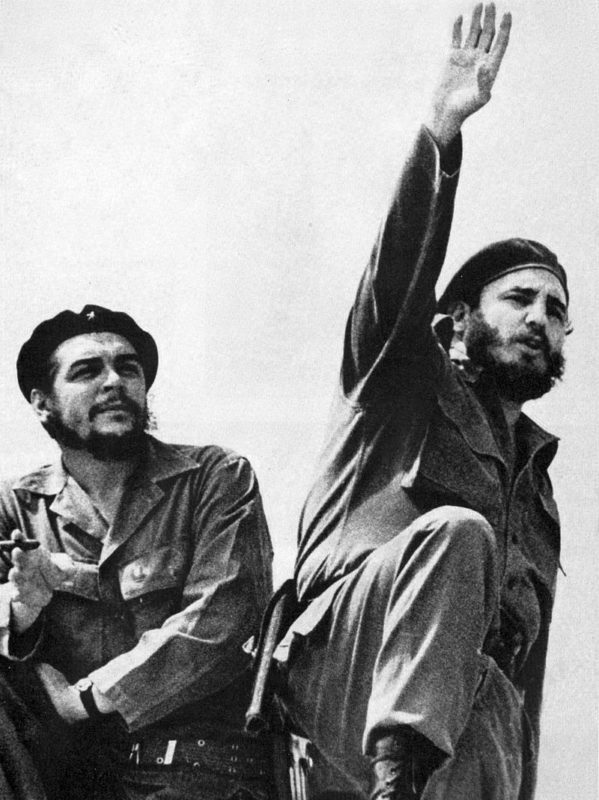
Guevara, who helped Fidel Castro win power in Cuba, was shot dead after being captured by Bolivian Army troops on October 8. He was 39. Che was in Bolivia as part of a Cuban-sponsored expedition to topple the military government of President Barrientos and export Fidel Castro’s brand of communism to other countries in Latin America.
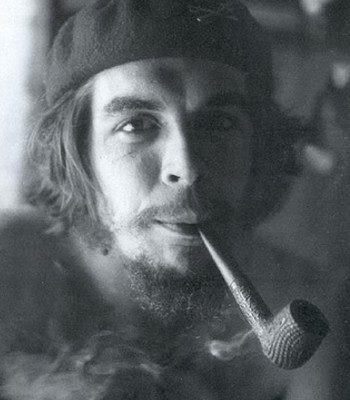
He remains both a revered and reviled historical figure, polarised in the collective imagination in a multitude of biographies, memoirs, essays, documentaries, songs and films. As a result of his perceived martyrdom, poetic invocations for class struggle and desire to create the consciousness of a ‘new man’ driven by moral rather than material incentives, Guevara has evolved into a quintessential icon of various leftist movements. Time magazine named him one of the 100 most influential people of the 20th century, while an Alberto Korda photograph of him, titled Guerrillero Heroico, was cited by the Maryland Institute College of Art as ‘the most famous photograph in the worldֹ’.
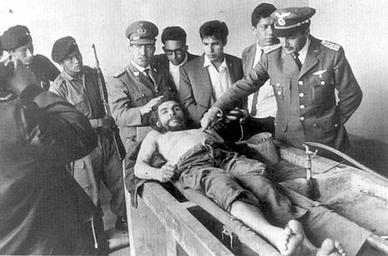
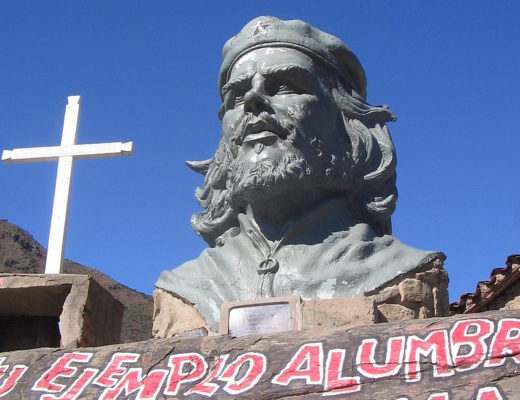
Most notable historic snippets or facts extracted from the book ‘On This Day’ first published in 1992 by Octopus Publishing Group Ltd, London, as well as additional supplementary information extracted from Wikipedia.
HAVE YOUR SAY
Like our Facebook page, follow us on Twitter and Instagram
For news straight to your phone, add us on BBM 58F3D7A7 or WhatsApp 082 421 6033