October 31: On This Day in World History … briefly
The Hungarian-born master magician began his career as a trapeze artist. He changed his name to Houdini after the famous French conjuror Jean-Eugene Robert Houdini.
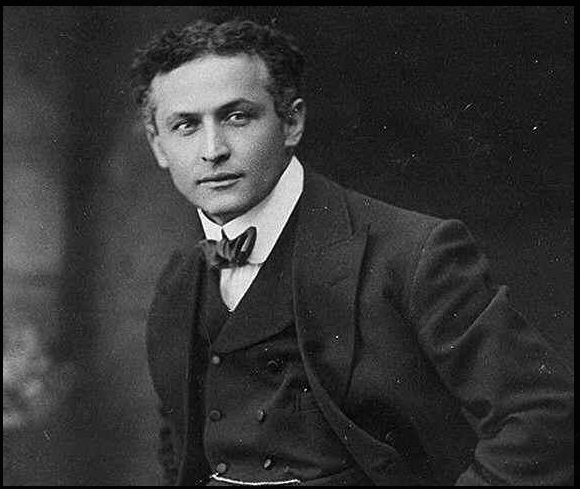
1926: Houdini can’t escape death
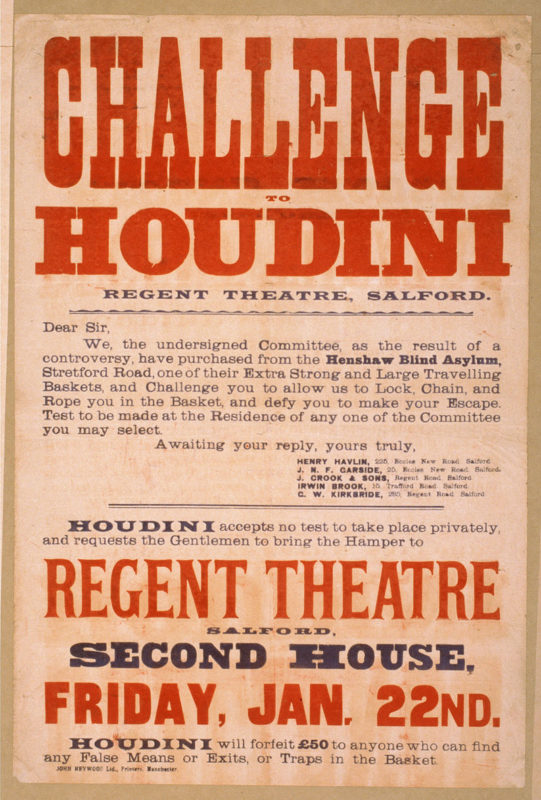
Harry Houdini (born Erik Weisz, later Ehrich Weiss or Harry Weiss; March 24, 1874 – October 31, 1926) was a Hungarian-born American illusionist and stunt performer, noted for his sensational escape acts. He first attracted notice in vaudeville in the US and then as ‘Harry Handcuff Houdini’ on a tour of Europe, where he challenged police forces to keep him locked up.
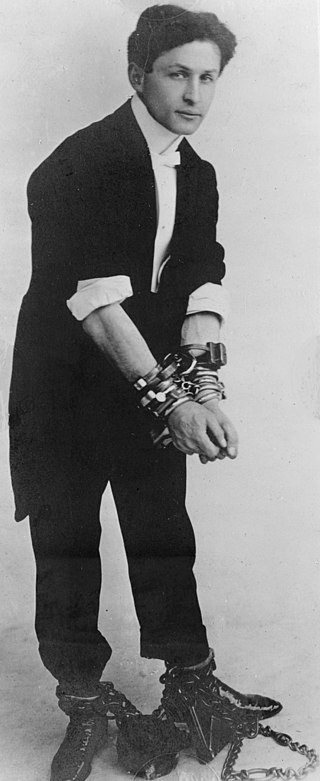
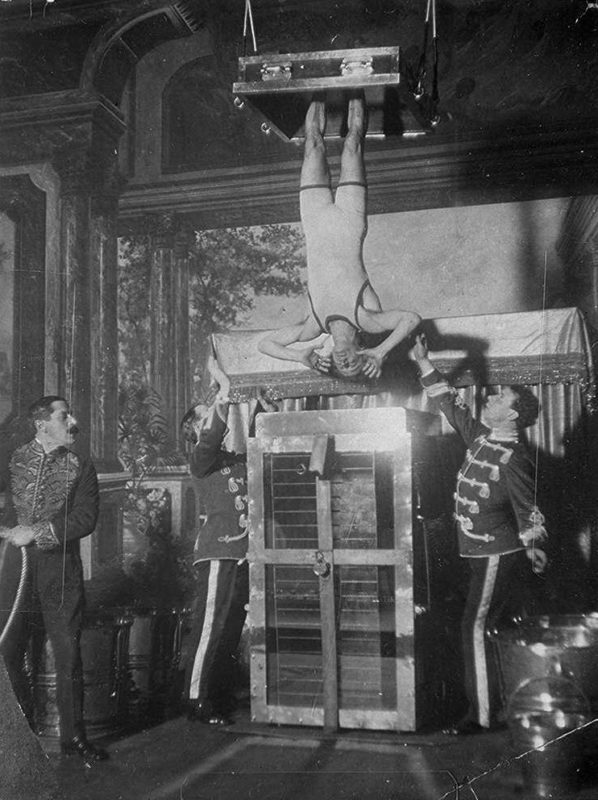
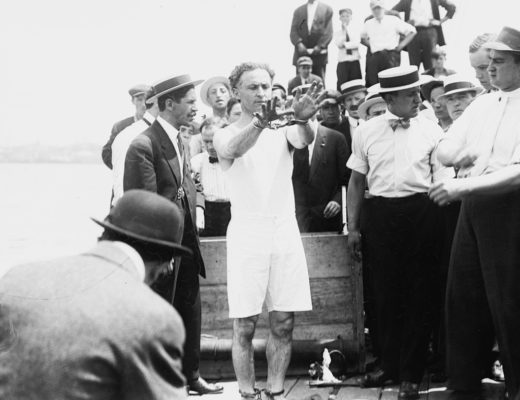
Soon he extended his repertoire to include chains, ropes slung from skyscrapers, straitjackets under water, and having to escape from and hold his breath inside a sealed milk can with water in it. In 1904, thousands watched as he tried to escape from special handcuffs commissioned by London’s Daily Mirror, keeping them in suspense for an hour.
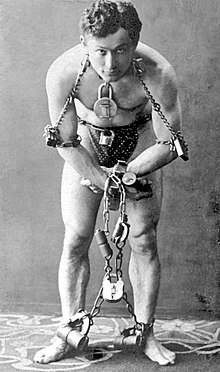
Another stunt saw him buried alive and only just able to claw himself to the surface, emerging in a state of near-breakdown. While many suspected that these escapes were faked, Houdini presented himself as the scourge of fake spiritualists. Before Houdini died, he and his wife agreed that if Houdini found it possible to communicate after death, he would communicate the message ‘Rosabelle believe’, a secret code which they agreed to use. Rosabelle was their favorite song. Bess held yearly séances on Halloween for ten years after Houdini’s death.
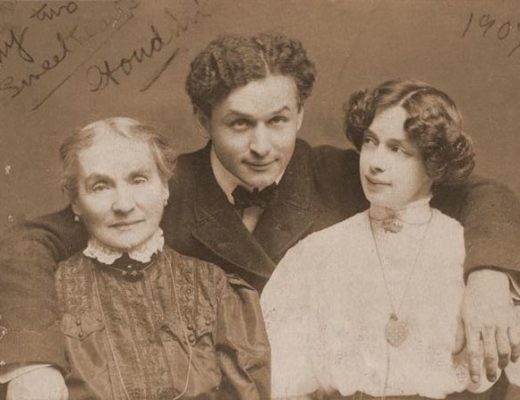
She did claim to have contact through Arthur Ford in 1929 when Ford conveyed the secret code, but Bess later said the incident had been faked. The code seems to have been such that it could be broken by Ford or his associates using existing clues. Evidence to this effect was discovered by Ford’s biographer after he died in 1971. In 1936, after a last unsuccessful séance on the roof of the Knickerbocker Hotel, she put out the candle that she had kept burning beside a photograph of Houdini since his death.
In 1943, Bess said that “Ten years is long enough to wait for any man.”
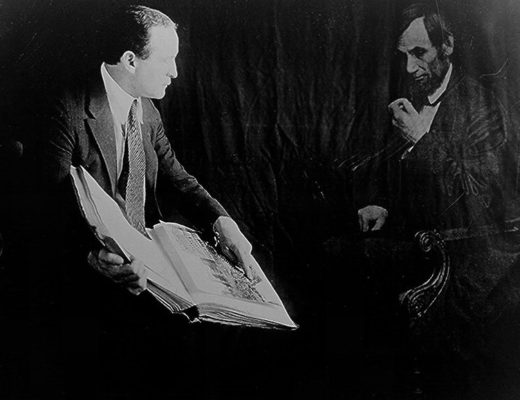
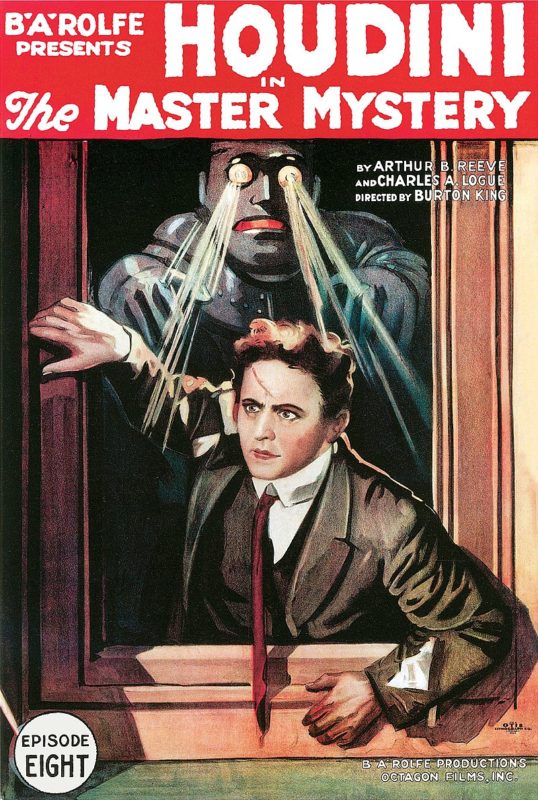
As President of the Society of American Magicians, he was keen to uphold professional standards and expose fraudulent artists. He was also quick to sue anyone who imitated his escape stunts. Houdini made several movies, but quit acting when it failed to bring in money. He was also a keen aviator, and aimed to become the first man to fly a plane in Australia.
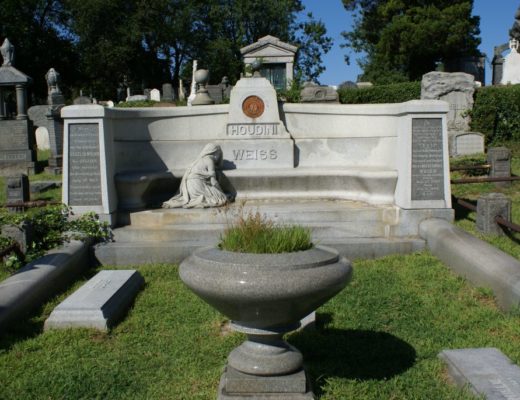
Harry Houdini died of peritonitis, secondary to a ruptured appendix, at 1.26 p.m. on October 31, 1926, in Room 401 at Detroit’s Grace Hospital, aged 52. In his final days, he believed that he would recover, but his last words before dying were reportedly, ‘I’m tired of fighting.’
Witnesses to an incident at Houdini’s dressing room in the Princess Theatre in Montreal speculated that Houdini’s death was caused by a McGill University student, Jocelyn Gordon Whitehead (b. 1895 – d. 1954), who repeatedly struck Houdini’s abdomen. The accounts of the witnesses, students named Jacques Price and Sam Smilovitz (sometimes called Jack Price and Sam Smiley), generally corroborated one another. Price said that Whitehead asked Houdini ‘if he believed in the miracles of the Bible’ and ‘whether it was true that punches in the stomach did not hurt him’. He then delivered ‘some very hammer-like blows below the belt’.
Houdini was reclining on a couch at the time, having broken his ankle while performing several days earlier. Price said that Houdini winced at each blow and stopped Whitehead suddenly in the midst of a punch, gesturing that he had had enough, and adding that he had had no opportunity to prepare himself against the blows, as he did not expect Whitehead to strike him so suddenly and forcefully. Had his ankle not been broken, he would have risen from the couch into a better position to brace himself.
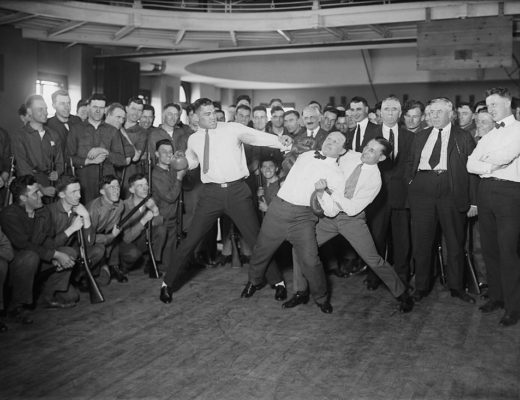
Throughout the evening, Houdini performed in great pain. He was unable to sleep and remained in constant pain for the next two days, but did not seek medical help. When he finally saw a doctor, he was found to have a fever of 102 °F (39 °C) and acute appendicitis, and was advised to have immediate surgery. He ignored the advice and decided to go on with the show. When Houdini arrived at the Garrick Theater in Detroit, Michigan, on October 24, 1926, for what would be his last performance, he had a fever of 104 °F (40 °C). Despite the diagnosis, Houdini took the stage. He was reported to have passed out during the show, but was revived and continued. Afterwards, he was hospitalised at Detroit’s Grace Hospital.
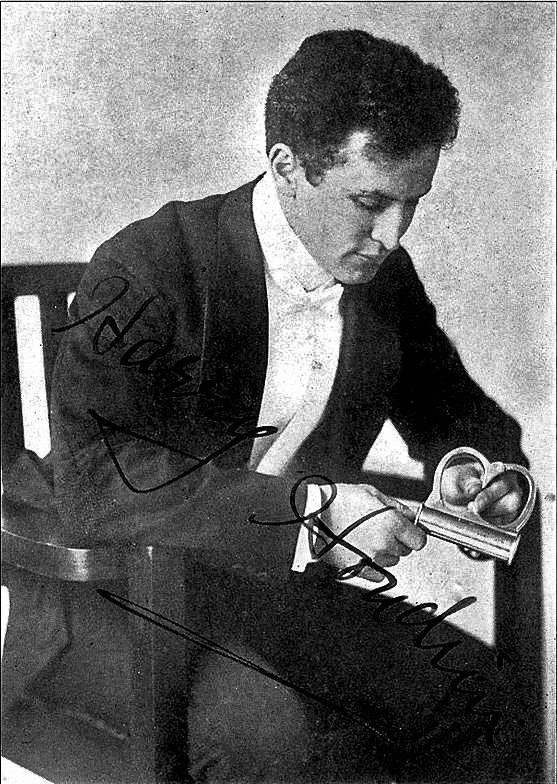
It is unclear whether the dressing room incident caused Houdini’s eventual death, as the relationship between blunt trauma and appendicitis is uncertain. One theory suggests that Houdini was unaware that he was suffering from appendicitis, and might have been aware had he not received blows to the abdomen. After taking statements from Price and Smilovitz, Houdini’s insurance company concluded that the death was due to the dressing-room incident and paid double indemnity.
Proposed exhumation
On March 22, 2007, Houdini’s grand-nephew (the grandson of his brother Theo), George Hardeen, announced that the courts would be asked to allow exhumation of Houdini’s body, to investigate the possibility of Houdini being murdered by spiritualists, as suggested in the biography The Secret Life of Houdini.
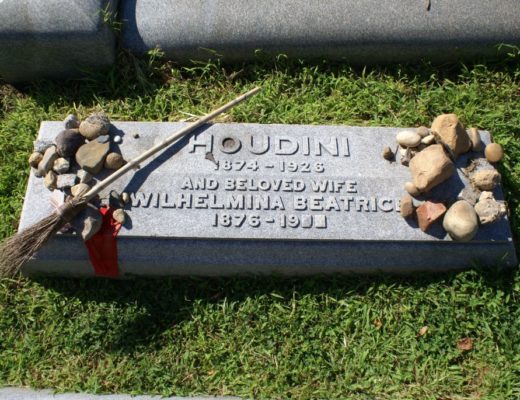
In a statement given to the Houdini Museum in Scranton, the family of Bess Houdini opposed the application and suggested it was a publicity ploy for the book. The Washington Post stated that the press conference was not arranged by the family of Houdini. Instead, the Post reported, it was orchestrated by authors Kalush and Sloman, who hired the PR firm Dan Klores Communications to promote their book.
In 2008 it was revealed the parties involved never filed legal papers to perform an exhumation.
Most notable historic snippets or facts extracted from the book ‘On This Day’ first published in 1992 by Octopus Publishing Group Ltd, London, as well as additional supplementary information extracted from Wikipedia.
HAVE YOUR SAY
Like our Facebook page, follow us on Twitter and Instagram
For news straight to your phone, add us on WhatsApp 082 421 6033