November 2: On This Day in World History … briefly
Experimental television broadcasts were started in 1930, using an electromechanical 30-line system developed by John Logie Baird. Limited regular broadcasts using this system began in 1934, and an expanded service (now named the BBC Television Service) started from Alexandra Palace in 1936.

1936: TV makes its first appearance
The world’s first regular high-definition (405-line) TV service was inaugurated by the British Broadcasting Corporation on this day way back in 1936.
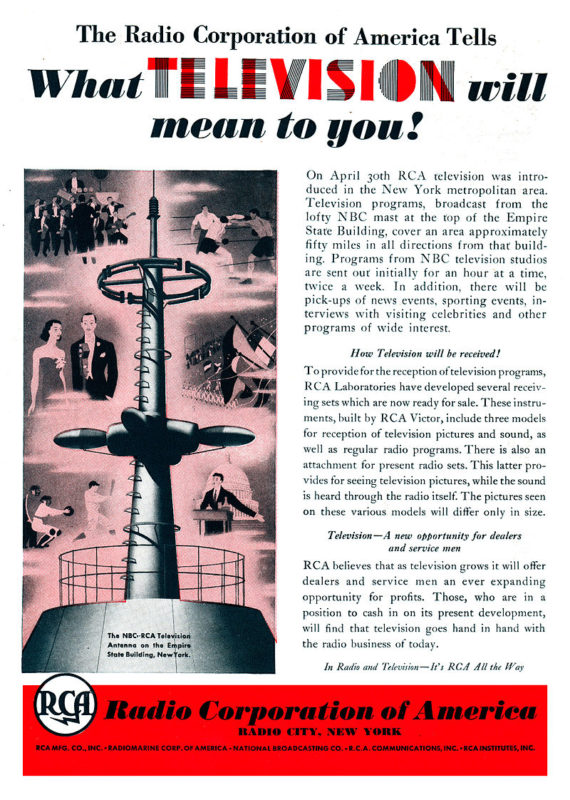
An estimated 100 TV owners, all living within a radius of 25 miles (40km) from the studios at Alexandra Palace, north London, saw the Postmaster General perform the opening ceremony.
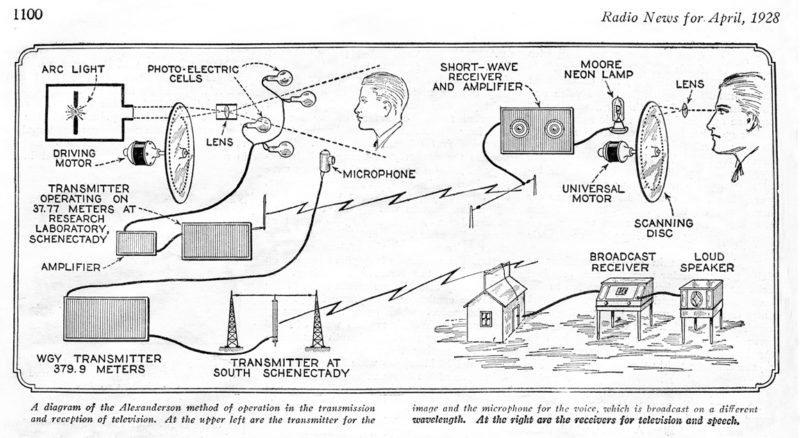
At the time, the BBC used the system developed by John Logie Baird, which involved a 40-second delay between the event being shown and the actual transmission; during these 40 seconds, a film was developed, printed and projected.
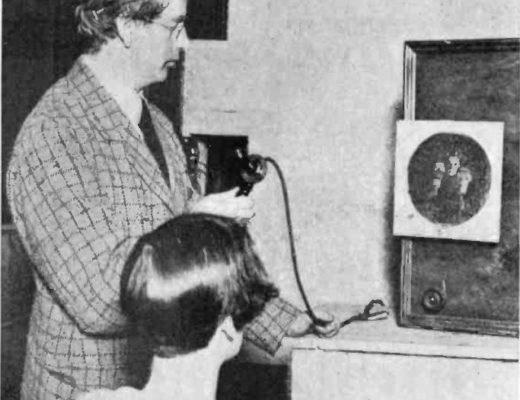
John Logie Baird (13 August 1888 – 14 June 1946) was a Scottish engineer, innovator, one of the inventors of the mechanical television, demonstrating the first working television system on 26 January 1926, and inventor of both the first publicly demonstrated colour television system, and the first purely electronic colour television picture tube.
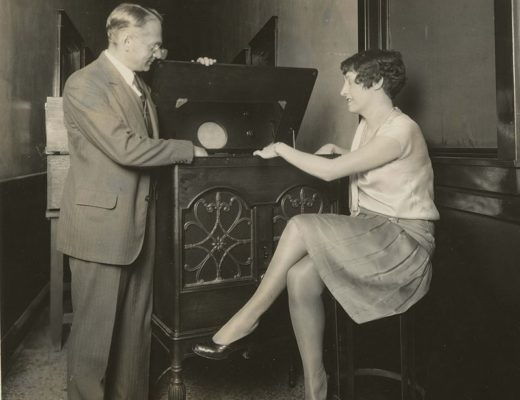
At the start of broadcasting, there were only two one-hour transmissions daily.
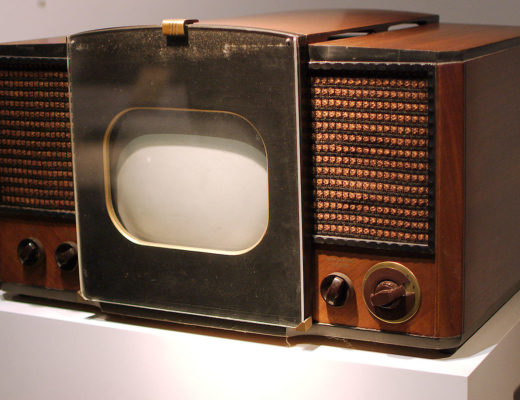
Although television sets cost up to £100 ($184), it was thought that perhaps the number of owners might increase rapidly.
Most notable historic snippets or facts extracted from the book ‘On This Day’ first published in 1992 by Octopus Publishing Group Ltd, London, as well as additional supplementary information extracted from Wikipedia.
HAVE YOUR SAY
Like our Facebook page, follow us on Twitter and Instagram
For news straight to your phone, add us on WhatsApp 082 421 6033