November 4: On This Day in World History … briefly
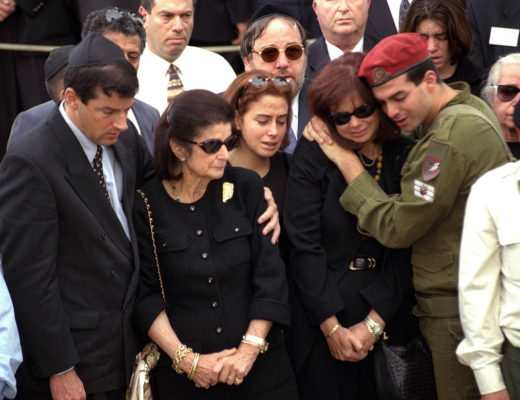
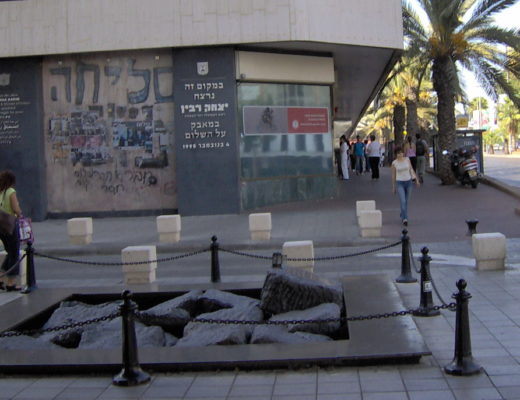
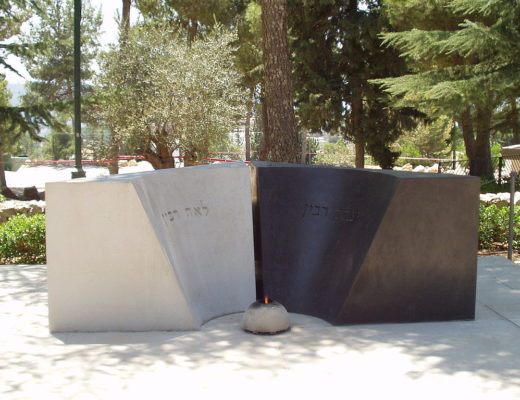
Israel was in shock after Prime Minister Yitzhak Rabin was assassinated at a peace rally by a 27-year old right-wing Jewish extremist.
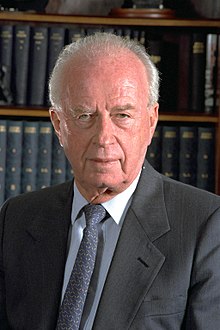
1995: Law student assassinates Israeli prime minister
Yitzhak Rabin (1 March 1922 – 4 November 1995) was an Israeli politician, statesman and general. He was the fifth Prime Minister of Israel, serving two terms in office, 1974–77 and 1992 until his assassination in 1995.
Rabin was born in Jerusalem to Ukrainian-Jewish immigrants and was raised in a Labor Zionist household. He learned agriculture in school and excelled as a student. He led a 27-year career as a soldier. As a teenager he joined the Palmach, the commando force of the Yishuv. He eventually rose through its ranks to become its chief of operations during Israel’s War of Independence. He joined the newly formed Israel Defense Forces in late 1948 and continued to rise as a promising officer. He helped shape the training doctrine of the IDF in the early 1950s, and led the IDF’s Operations Directorate from 1959 to 1963. He was appointed Chief of the General Staff in 1964 and oversaw Israel’s victory in the 1967 Six-Day War.
Rabin served as Israel’s ambassador to the United States from 1968 to 1973, during a period of deepening U.S.–Israel ties. He was appointed Prime Minister of Israel in 1974, after the resignation of Golda Meir. In his first term, Rabin signed the Sinai Interim Agreement and ordered the Entebbe raid. He resigned in 1977 in the wake of a financial scandal. Rabin was Israel’s minister of defense for much of the 1980s, including during the outbreak of the First Intifada.
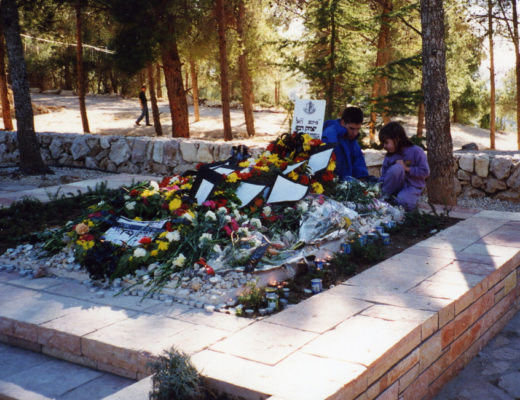
In 1992, Rabin was re-elected as prime minister on a platform embracing the Israeli–Palestinian peace process. He signed several historic agreements with the Palestinian leadership as part of the Oslo Accords. In 1994, Rabin won the Nobel Peace Prize together with long-time political rival Shimon Peres and Palestinian leader Yasser Arafat. Rabin also signed a peace treaty with Jordan in 1994. In November 1995, he was assassinated by an extremist named Yigal Amir, who opposed the terms of the Oslo Accords. Amir was arrested and convicted of Rabin’s murder; he was sentenced to life imprisonment. Rabin was the first native-born prime minister of Israel, the only prime minister to be assassinated and the second to die in office after Levi Eshkol. Rabin has become a symbol of the Israeli–Palestinian peace process.
Most notable historic snippets or facts extracted from the book ‘On This Day’ first published in 1992 by Octopus Publishing Group Ltd, London, as well as additional supplementary information extracted from Wikipedia.
HAVE YOUR SAY
Like our Facebook page, follow us on Twitter and Instagram
For news straight to your phone, add us on WhatsApp 082 421 6033