November 5: On This Day in World History … briefly
There was great rejoicing at the narrow escape of His Majesty James I and Their Lordships after a plot to blow up the Houses of Parliament by 13 conspirators was discovered.
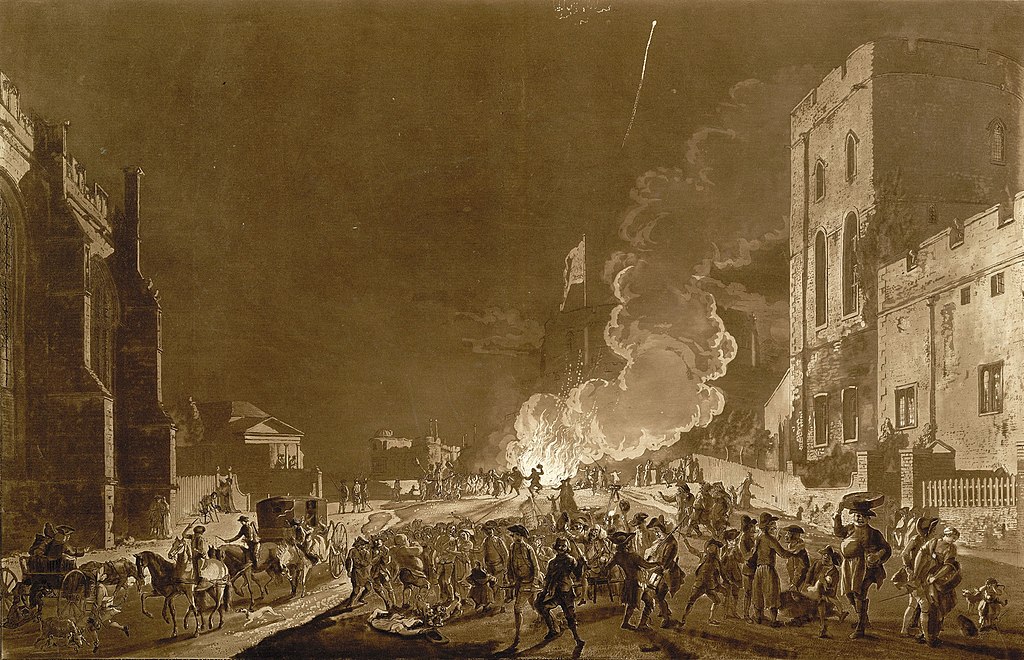
1605: Plot to blow up Parliament is foiled
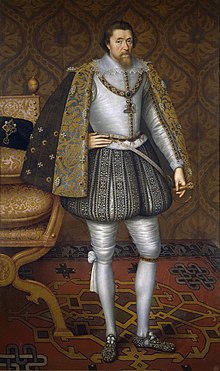
The Gunpowder Plot of 1605, in earlier centuries often called the Gunpowder Treason Plot or the Jesuit Treason, was a failed assassination attempt against King James I by a group of provincial English Catholics led by Robert Catesby.
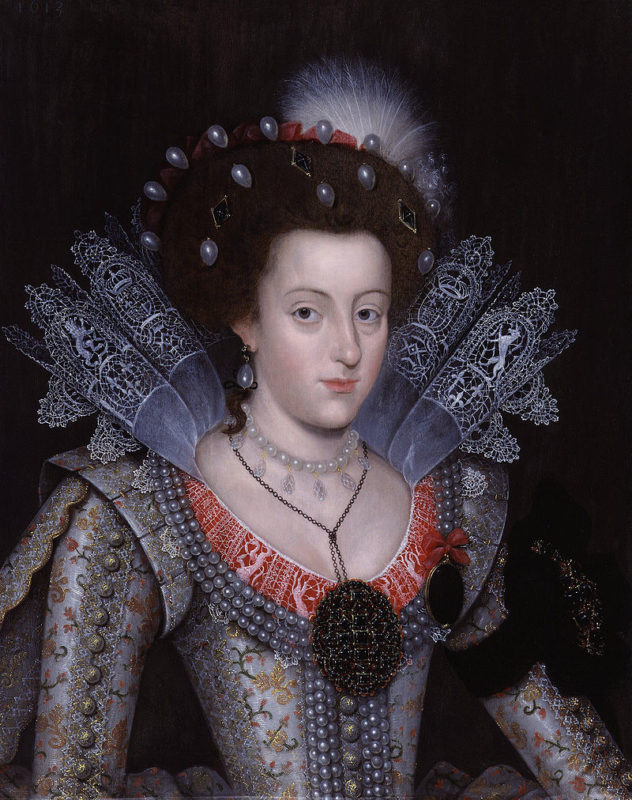
The plan was to blow up the House of Lords during the State Opening of Parliament on November 5, 1605 as the prelude to a popular revolt in the Midlands during which King James’s nine-year-old daughter Elizabeth was to be installed as the Catholic head of state. Catesby may have embarked on the scheme after hopes of securing greater religious tolerance under King James had faded, leaving many English Catholics disappointed.
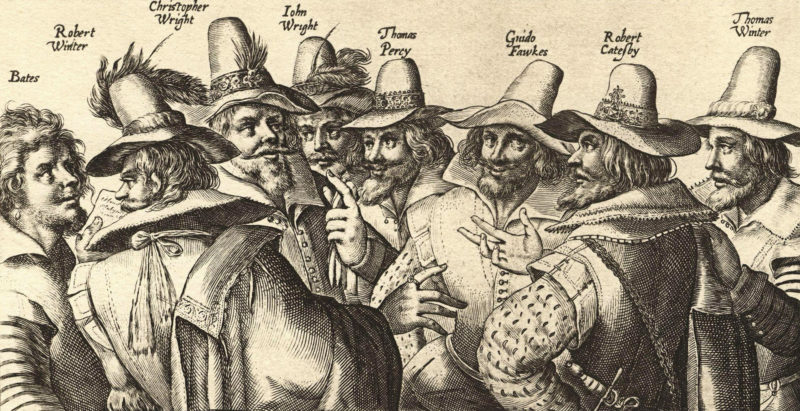
His fellow plotters were John and Christopher Wright,
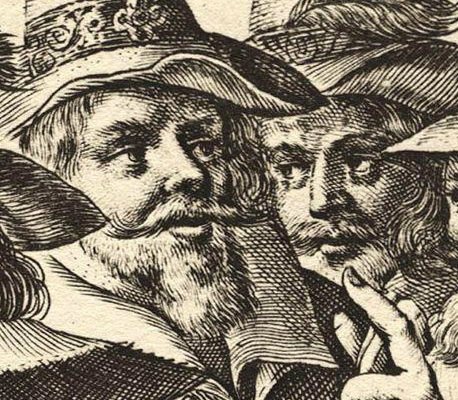
Robert and Thomas Wintour,
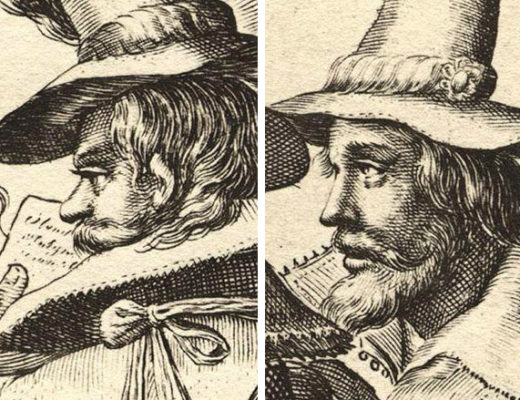
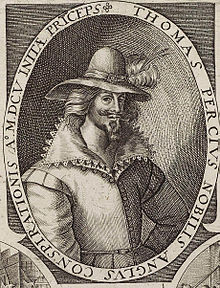
Thomas Percy,
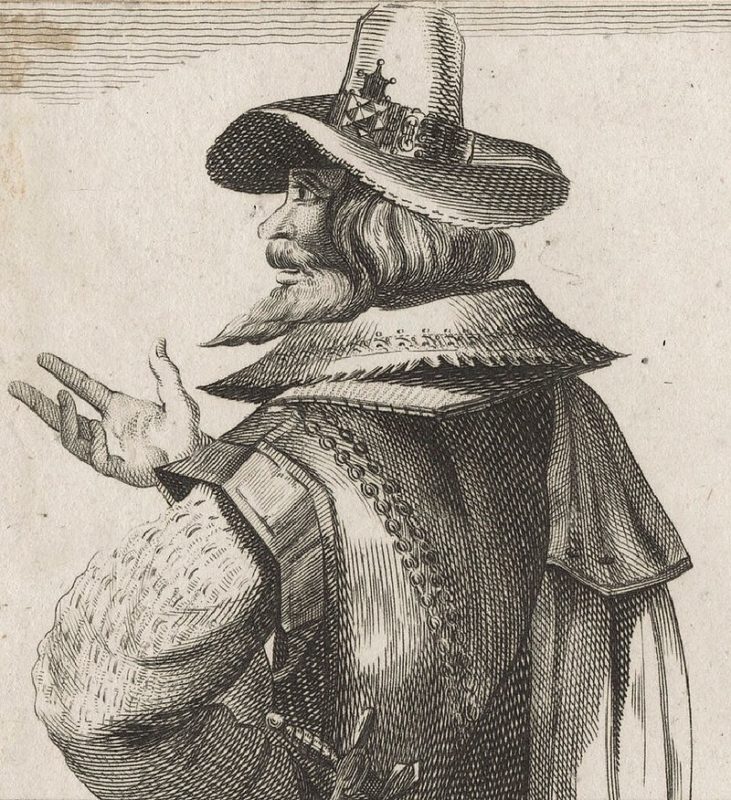
Guy Fawkes, Robert Keyes,
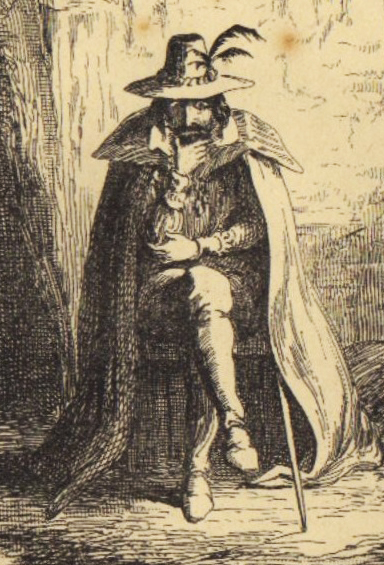
Thomas Bates,
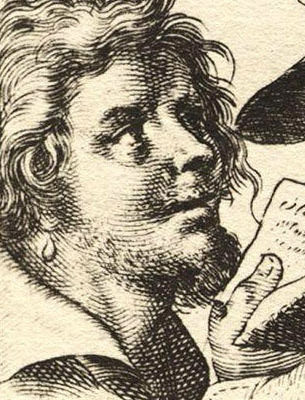
John Grant,
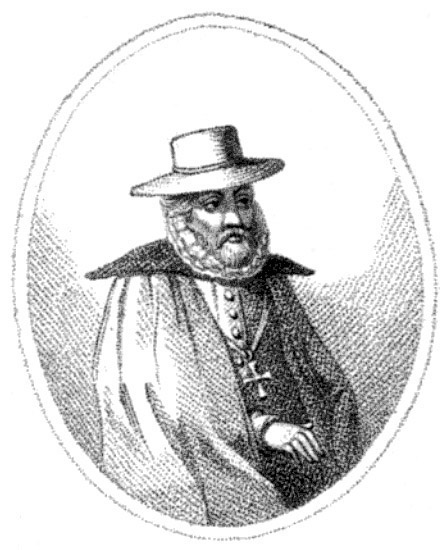
Ambrose Rookwood,
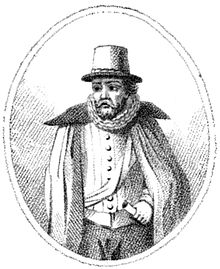
Sir Everard Digby,
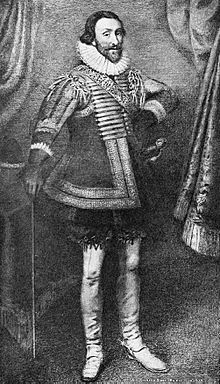
and Francis Tresham.
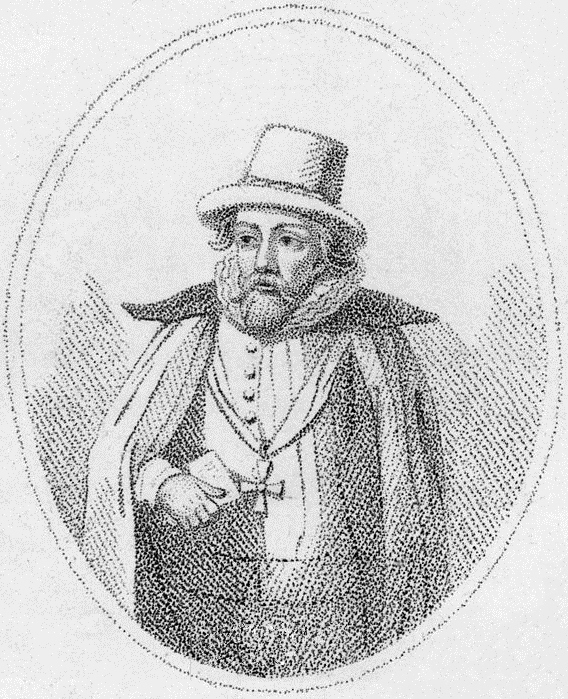
Fawkes, who had 10 years of military experience fighting in the Spanish Netherlands in the failed suppression of the Dutch Revolt, was given charge of the explosives.
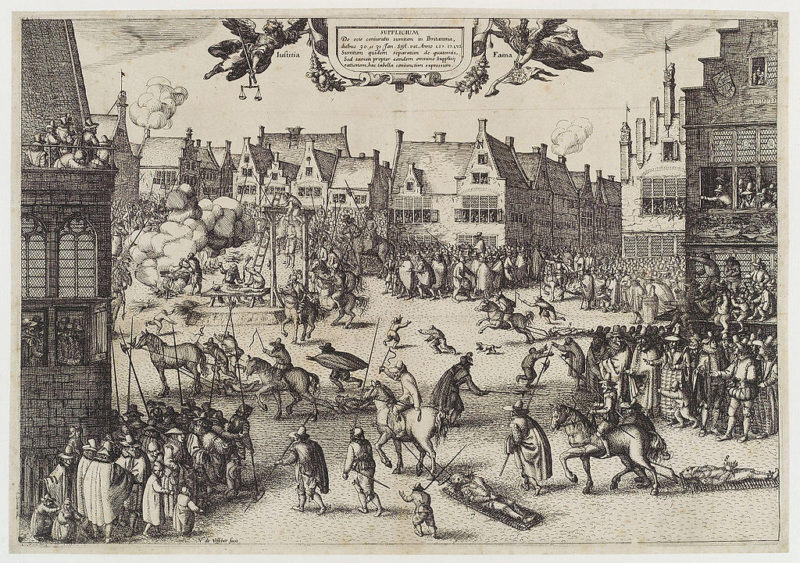
The plot was revealed to the authorities in an anonymous letter sent to William Parker, 4th Baron Monteagle, on 26 October 1605. During a search of the House of Lords at about midnight on 4 November 1605, Fawkes was discovered guarding 36 barrels of gunpowder – enough to reduce the House of Lords to rubble – and arrested. Most of the conspirators fled from London as they learned of the plot’s discovery, trying to enlist support along the way. Several made a stand against the pursuing Sheriff of Worcester and his men at Holbeche House; in the ensuing battle, Catesby was one of those shot and killed. At their trial on January 27, 1606, eight of the survivors, including Fawkes, were convicted and sentenced to be hanged, drawn and quartered.
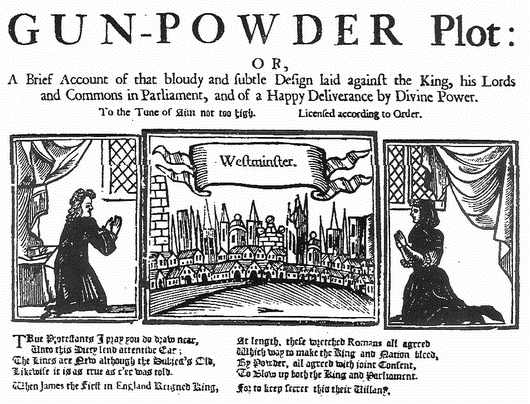
Details of the assassination attempt were allegedly known by the principal Jesuit of England, Father Henry Garnet. Although he was convicted of treason and sentenced to death, doubt has been cast on how much he really knew of the plot. As its existence was revealed to him through confession, Garnet was prevented from informing the authorities by the absolute confidentiality of the confessional. Although anti-Catholic legislation was introduced soon after the plot’s discovery, many important and loyal Catholics retained high office during King James I’s reign. The thwarting of the Gunpowder Plot was commemorated for many years afterwards by special sermons and other public events such as the ringing of church bells, which have evolved into the Bonfire Night of today.
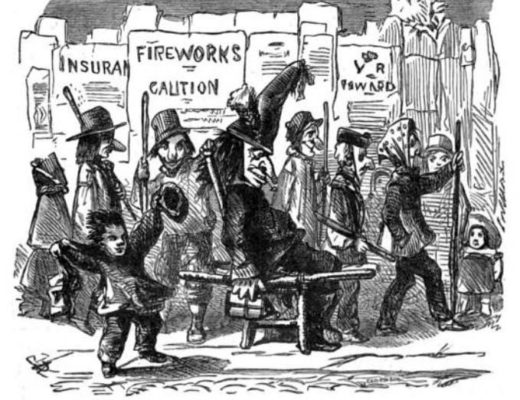
In Britain, 5 November has variously been called Guy Fawkes Night, Guy Fawkes Day, Plot Night and Bonfire Night (which can be traced directly back to the original celebration of 5 November 1605). Bonfires were accompanied by fireworks from the 1650s onwards, and it became the custom after 1673 to burn an effigy (usually of the pope) when heir presumptive James, Duke of York converted to Catholicism. Effigies of other notable figures have found their way onto the bonfires, such as Paul Kruger and Margaret Thatcher, although most modern effigies are of Fawkes. The ‘guy’ is normally created by children from old clothes, newspapers, and a mask. During the 19th century, ‘guy’ came to mean an oddly dressed person, but in American English it has lost any pejorative connotation and is used to refer to any male person.
Most notable historic snippets or facts extracted from the book ‘On This Day’ first published in 1992 by Octopus Publishing Group Ltd, London, as well as additional supplementary information extracted from Wikipedia.
HAVE YOUR SAY
Like our Facebook page, follow us on Twitter and Instagram
For news straight to your phone, add us on WhatsApp 082 421 6033