November 8: On This Day in World History … briefly
The IRA apologised, saying it had made a mistake and that the target had been the UDR soldiers who were parading to the memorial.
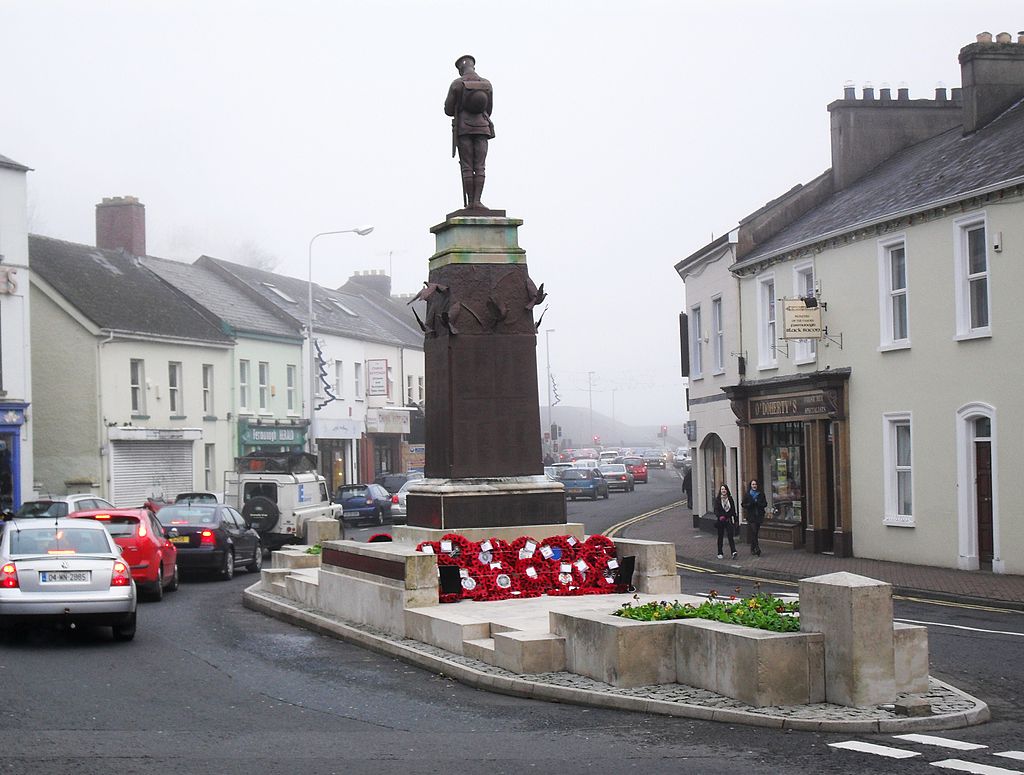
1987: Remembrance Day blast kills 11
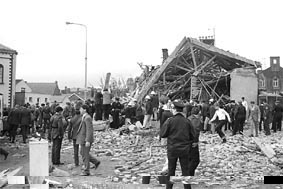
The Remembrance Day bombing (also known as the Enniskillen bombing or Poppy Day massacre) took place on 8 November 1987 in Enniskillen, County Fermanagh, Northern Ireland. A Provisional Irish Republican Army (IRA) bomb exploded near the town’s war memorial (cenotaph) during a Remembrance Sunday ceremony, which was being held to commemorate British military war dead.
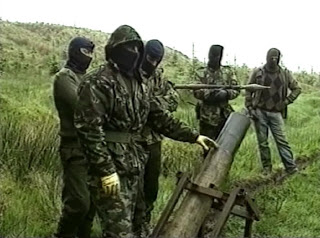
Eleven people (ten civilians and a police officer) were killed, many of them elderly, and 63 were injured. The IRA said it had made a mistake and that its target had been the British soldiers parading to the memorial. The bombing was strongly condemned by all sides and undermined support for the IRA and Sinn Féin. It also facilitated the passing of the Extradition Act, which made it easier to extradite IRA suspects from the Republic of Ireland to the United Kingdom.
Loyalist paramilitaries responded to the bombing with revenge attacks on Catholic civilians. The bombing is often seen as a turning point in ‘The Troubles’*, an incident that shook the IRA ‘to its core’, and spurred on new efforts by Irish nationalists towards a political solution to the conflict.
*‘The Troubles’ refers to the three-decade conflict between nationalists (mainly self-identified as Irish or Roman Catholic) and unionists (mainly self-identified as British or Protestant).
Denzil McDaniel, author of ‘Enniskillen: The Remembrance Sunday Bombing’, later interviewed security and IRA contacts, putting together an account of the bombers’ movements. He wrote that the 40-pound (18 kg) bomb was made in Ballinamore, County Leitrim, and brought to Enniskillen by up to thirty IRA volunteers, moving in relay teams to avoid security patrols. It is thought to have taken over 24 hours to transport the bomb.
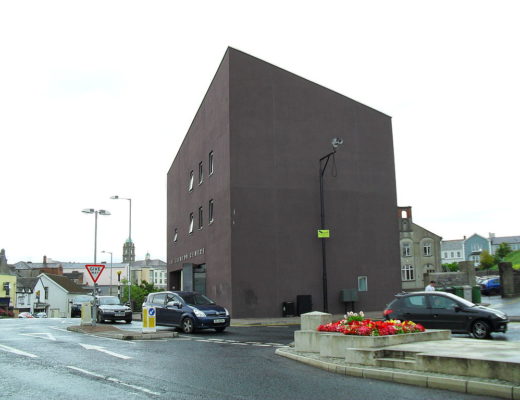
On the night of 7 November, the bomb—hidden in a sports bag—was left at the gable wall inside the town’s Reading Rooms, and set to explode at 10.43am the next day, minutes before the ceremony was to start. Security forces searched the route of the planned military parade for explosives, but did not search the Reading Rooms as it was thought to be a ‘secure area’.
Most notable historic snippets or facts extracted from the book ‘On This Day’ first published in 1992 by Octopus Publishing Group Ltd, London, as well as additional supplementary information extracted from Wikipedia.
HAVE YOUR SAY
Like our Facebook page, follow us on Twitter and Instagram
For news straight to your phone, add us on WhatsApp 082 421 6033