November 9: On This Day in World History … briefly
The Jewish community in Germany endured a night of terror when Nazi thugs went on the rampage, attacking Jewish businesses, synagogues and property.
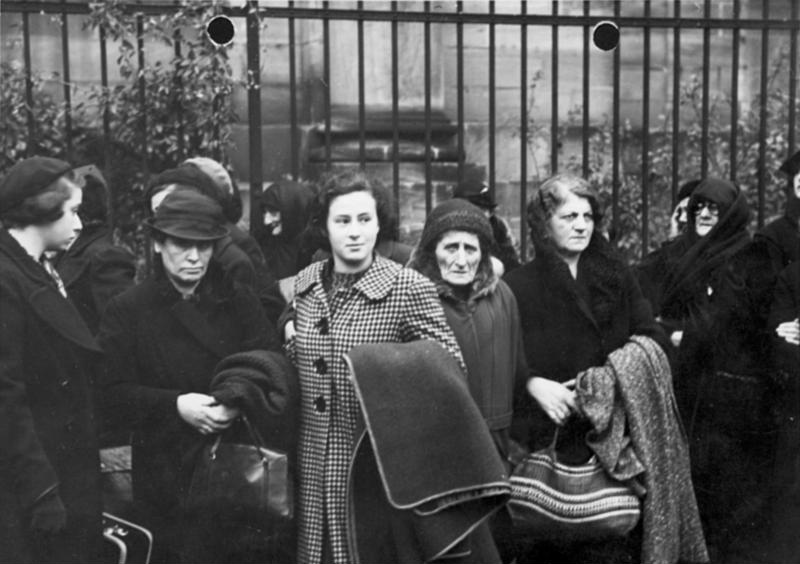
1938: Kristallnacht: A night of terror in Germany
Kristallnacht ‘Crystal Night’ or Reichskristallnacht, Night of Broken Glass, Reichspogromnacht or simply Pogromnacht and Novemberpogrome was a pogrom against Jews throughout Nazi Germany on 9–10 November 1938, carried out by SA paramilitary forces and German civilians. The German authorities looked on without intervening. The name Kristallnacht comes from the shards of broken glass that littered the streets after the windows of Jewish-owned stores, buildings, and synagogues were smashed.
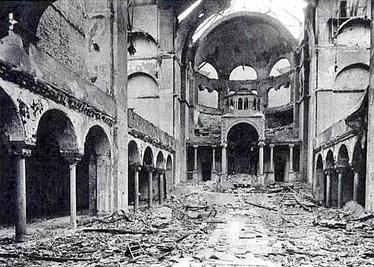
Estimates of the number of fatalities caused by the pogrom have varied. Early reports estimated that 91 Jews were murdered during the attacks. Modern analysis of German scholarly sources by historians such as Sir Richard Evans puts the number much higher. When deaths from post-arrest maltreatment and subsequent suicides are included, the death toll climbs into the hundreds. Additionally, 30,000 Jewish men were arrested and incarcerated in concentration camps.
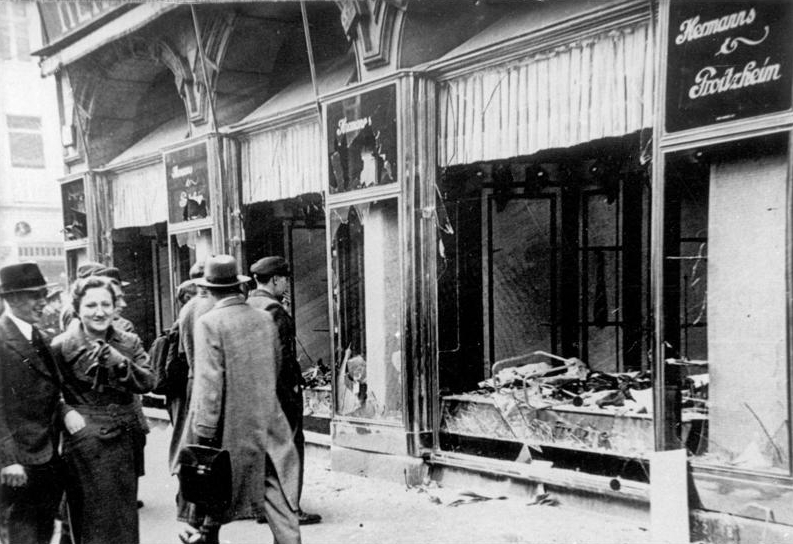
Jewish homes, hospitals, and schools were ransacked, as the attackers demolished buildings with sledgehammers. The rioters destroyed 267 synagogues throughout Germany, Austria, and the Sudetenland, and over 7 000 Jewish businesses were either destroyed or damaged. The British historian Martin Gilbert wrote that no event in the history of German Jews between 1933 and 1945 was so widely reported as it was happening, and the accounts from the foreign journalists working in Germany sent shock waves around the world.
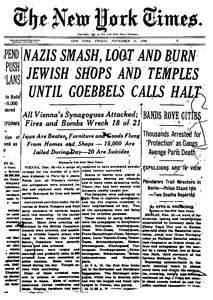
The British newspaper The Times wrote at the time: ‘No foreign propagandist bent upon blackening Germany before the world could outdo the tale of burnings and beatings, of blackguardly assaults on defenseless and innocent people, which disgraced that country yesterday.’
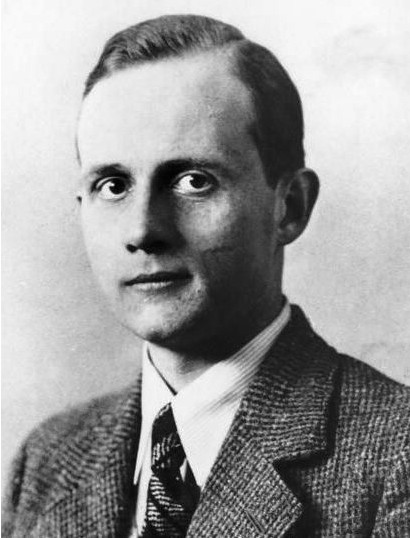
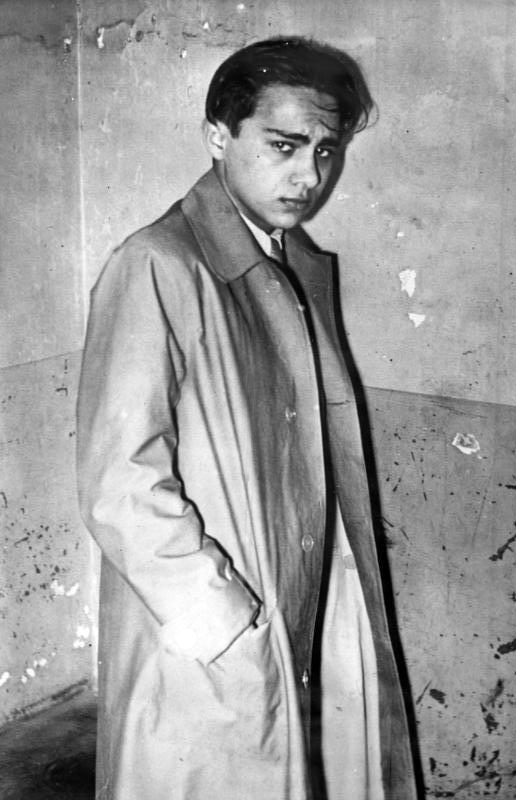
The attacks were retaliation for the assassination of the Nazi German diplomat Ernst vom Rath by Herschel Grynszpan, a 17-year-old German-born Polish Jew living in Paris. Kristallnacht was followed by additional economic and political persecution of Jews, and it is viewed by historians as part of Nazi Germany’s broader racial policy, and the beginning of the Final Solution and The Holocaust.
Most notable historic snippets or facts extracted from the book ‘On This Day’ first published in 1992 by Octopus Publishing Group Ltd, London, as well as additional supplementary information extracted from Wikipedia.
HAVE YOUR SAY
Like our Facebook page, follow us on Twitter and Instagram
For news straight to your phone, add us on WhatsApp 082 421 6033