November 14: On This Day in World History … briefly
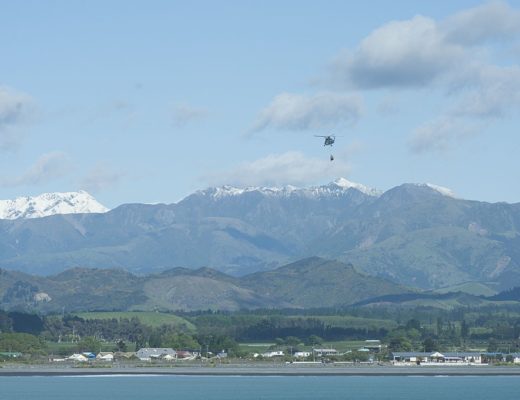
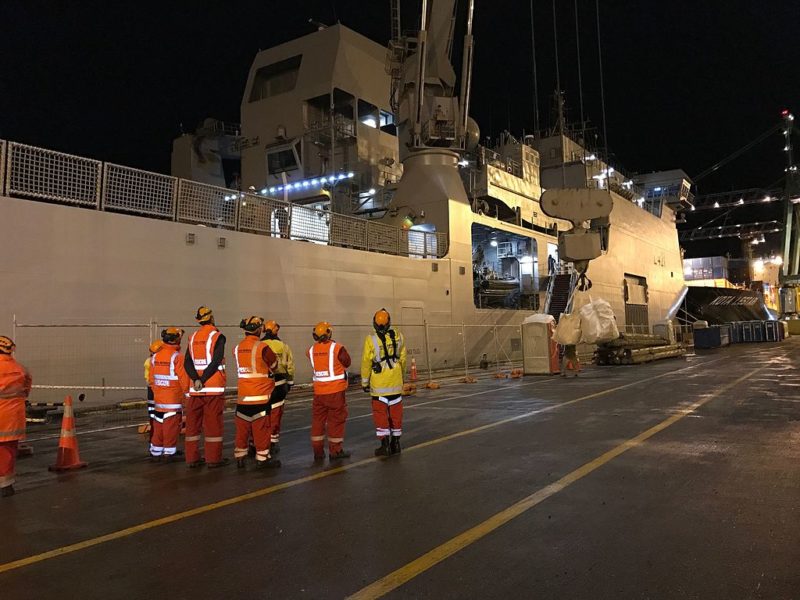
Nearly 200 people had been airlifted out of Kaikoura by late evening on November 15, with about 1 000 still to be evacuated the following morning.
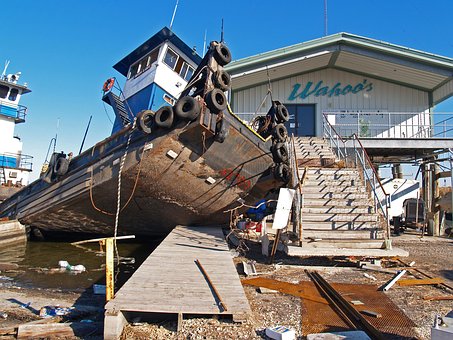
2016: ‘Most complex earthquake ever studied’ hits New Zealand
The 2016 Kaikoura earthquake was a magnitude 7.8 (Mw) earthquake in the South Island of New Zealand that occurred two minutes after midnight on 14 November 2016 NZDT. Ruptures occurred on multiple faults and the earthquake has been described as the ‘most complex earthquake ever studied’.
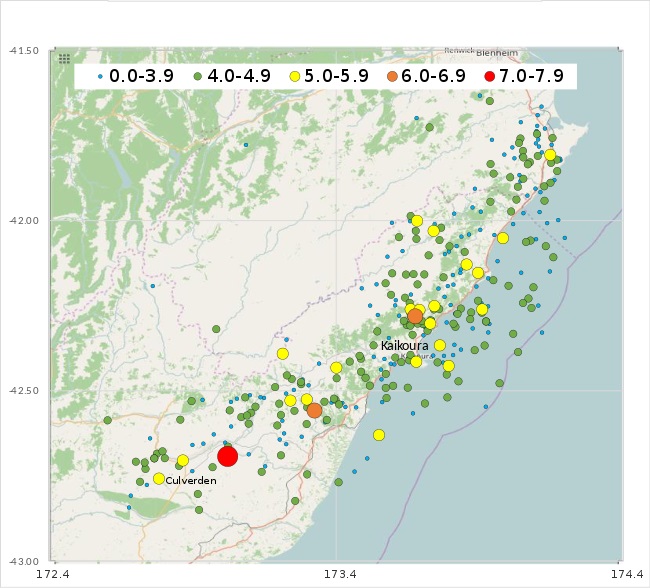
The earthquake started at about 15 kilometres (9 miles) north-east of Culverden and 60 kilometres (37 miles) south-west of the tourist town of Kaikoura and at a depth of approximately 15 kilometres. The complex sequence of ruptures lasted for about two minutes. The cumulative magnitude of the ruptures was 7.8, with the largest amount of that energy released far to the north of the epicentre.
The large magnitude of the quake is second to only one New Zealand earthquake since European settlement of the country. Over $1.8 billion in insurance claims were received. There were two deaths, in Kaikoura and Mount Lyford.
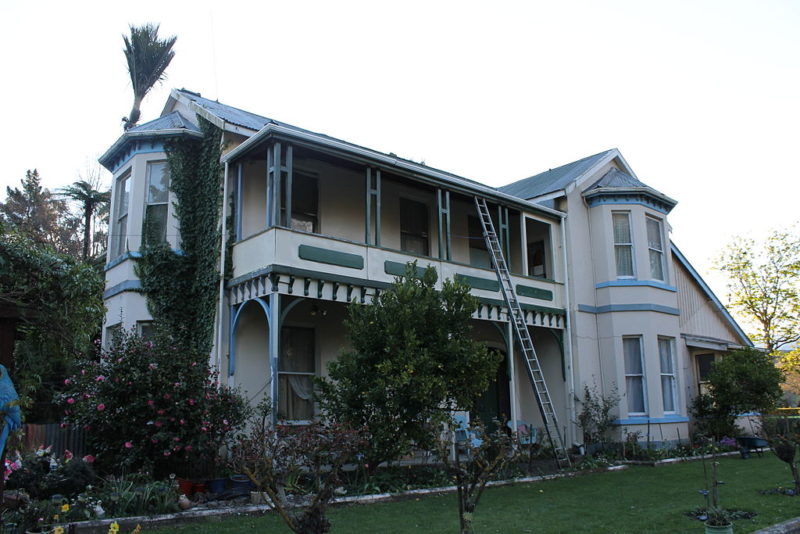
A man was crushed and died when the historic Elms Farm homestead near Kaikoura collapsed. Two other people were rescued from the rubble of the house, including the man’s 100-year-old mother. A woman died in a log house that was damaged at Mount Lyford. Early reports said her cause of death was a heart attack, but an autopsy later indicated it was a head injury suffered during the earthquake
Most notable historic snippets or facts extracted from the book ‘On This Day’ first published in 1992 by Octopus Publishing Group Ltd, London, as well as additional supplementary information extracted from Wikipedia.
HAVE YOUR SAY
Like our Facebook page, follow us on Twitter and Instagram
For news straight to your phone, add us on WhatsApp 082 421 6033