November 30: On This Day in World History … briefly
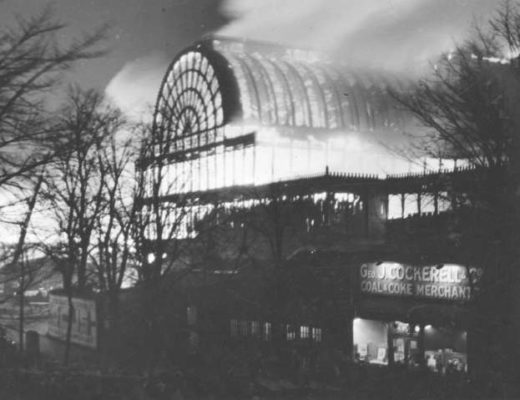
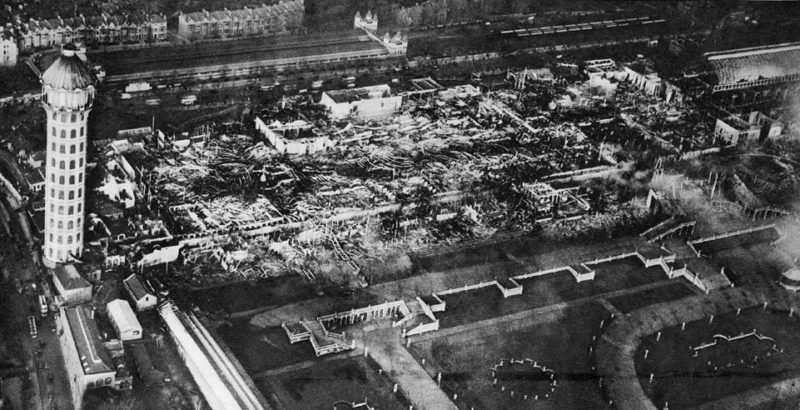
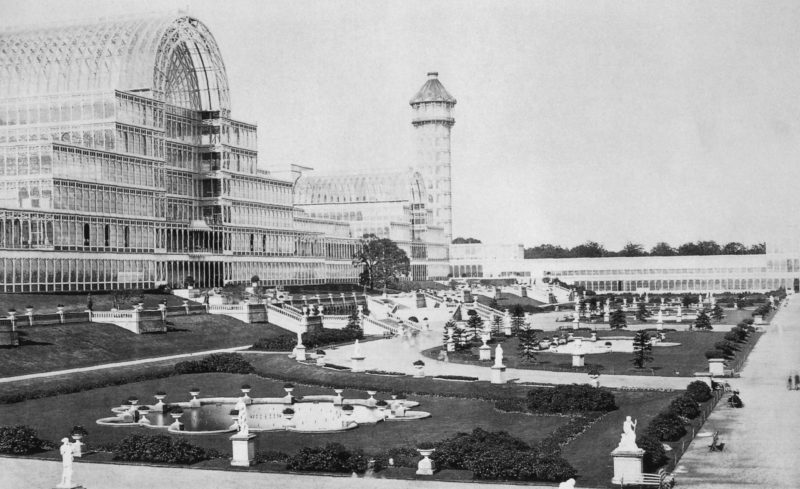
All that was left standing after the 1936 fire were the two water towers. The south tower to the right of the Crystal Palace entrance was taken down shortly after the fire, as the damage sustained had undermined its integrity and it presented a major risk to houses nearby.
1936: Crystal Palace destroyed by fire
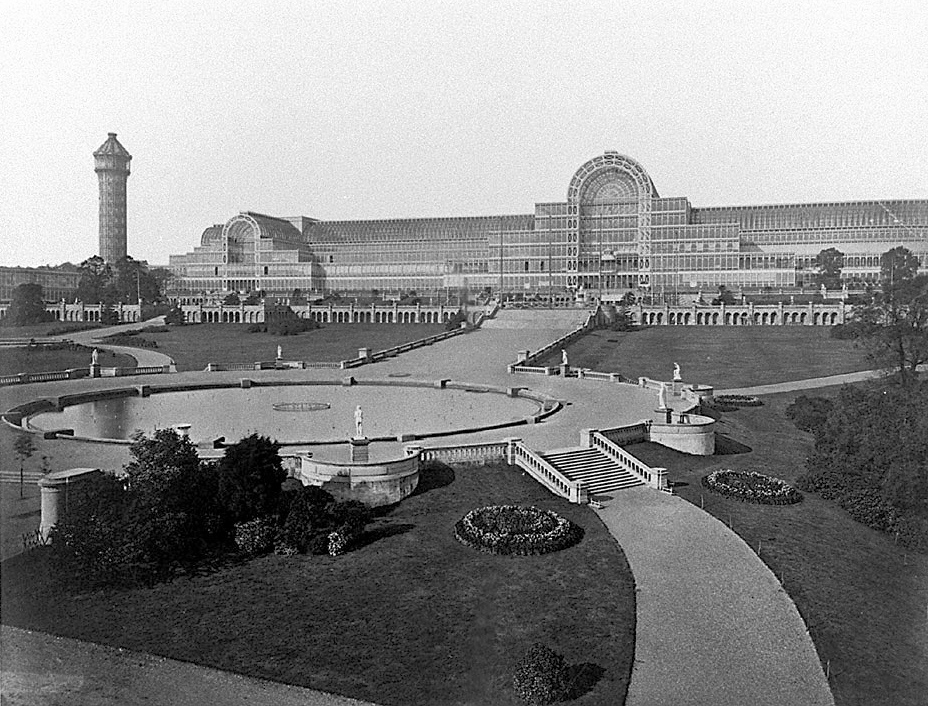
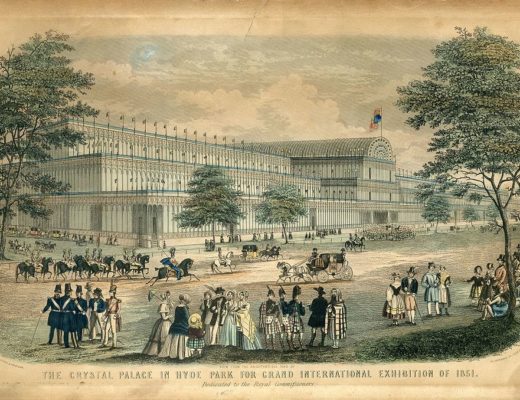
The Crystal Palace was a cast-iron and plate-glass structure originally built in Hyde Park, London, to house the Great Exhibition of 1851. More than 14,000 exhibitors from around the world gathered in its 990 000-square-foot (92 000m2) exhibition space to display examples of technology developed in the Industrial Revolution. Designed by Joseph Paxton, the Great Exhibition building was 1 851 feet (564m) long, with an interior height of 128 feet (39m). It was three times larger than the size of St Paul’s Cathedral.
The introduction of the sheet glass method into Britain by Chance Brothers in 1832 made possible the production of large sheets of cheap but strong glass, and its use in the Crystal Palace created a structure with the greatest area of glass ever seen in a building and astonished visitors with its clear walls and ceilings that did not require interior lights.
It has been suggested that the name of the building resulted from a piece penned by the playwright Douglas Jerrold, who in July 1850 wrote in the satirical magazine Punch about the forthcoming Great Exhibition, referring to a ‘palace of very crystal’.
After the exhibition, it was decided to relocate the Palace to an area of South London known as Penge Common. It was rebuilt at the top of Penge Peak next to Sydenham Hill, an affluent suburb of large villas. It stood there for 82 years from 1854 until its destruction by fire in November 1936. The nearby residential area was renamed Crystal Palace after the landmark including the park that surrounds the site, home of the Crystal Palace National Sports Centre, which had previously been a football stadium that hosted the FA Cup Final between 1895 and 1914. Crystal Palace FC were founded at the site in 1905 and played at the Cup Final venue in their early years. The park still contains Benjamin Waterhouse Hawkins’s Crystal Palace Dinosaurs which date back to 1854.
Most notable historic snippets or facts extracted from the book ‘On This Day’ first published in 1992 by Octopus Publishing Group Ltd, London, as well as additional supplementary information extracted from Wikipedia.
HAVE YOUR SAY
Like our Facebook page, follow us on Twitter and Instagram
For news straight to your phone, add us on WhatsApp 082 421 6033