December 3: On This Day in World History … briefly
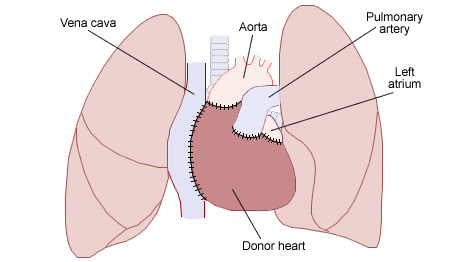
Leading a large team of surgeons at Groote Schuur Hospital, Barnard replaced the mortally-diseased heart of Louis Washkansky, a 53-year old grocer, with the healthy heart of 25-year old motor accident victim Denise Darvall. Barnard said the main problem was not the operation itself, but persuading the patient’s immune system not to reject the new heart.
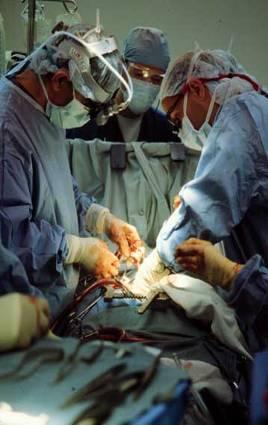
1967: South African surgeon Dr Chris Barnard performs first heart transplant
Christiaan Neethling Barnard (8 November 1922 – 2 September 2001) was the South African cardiac surgeon who performed the world’s first human-to-human heart transplant on 3 December 1967 at Groote Schuur Hospital in Cape Town, South Africa. Growing up in Beaufort West, Cape Province, he studied medicine and practiced for several years in his native country. As a young doctor experimenting on dogs, Barnard developed a remedy for the infant defect of intestinal atresia – absence or abnormal narrowing of an opening or passage in the body.
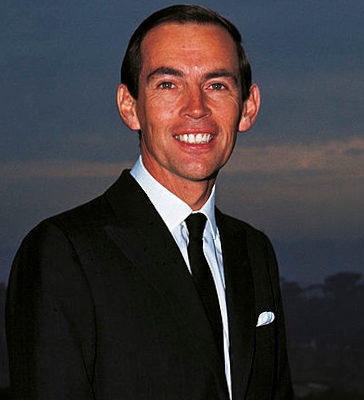
His technique saved the lives of ten babies in Cape Town and was adopted by surgeons in Britain and the United States. In 1955, he travelled to the US and was initially assigned further gastrointestinal work by Owen Harding Wangensteen. He was introduced to the heart-lung machine, and Barnard was allowed to transfer to the service run by open heart surgery pioneer Walt Lillehei. Upon returning to South Africa in 1958, Barnard was appointed head of the Department of Experimental Surgery at the Groote Schuur Hospital, Cape Town.
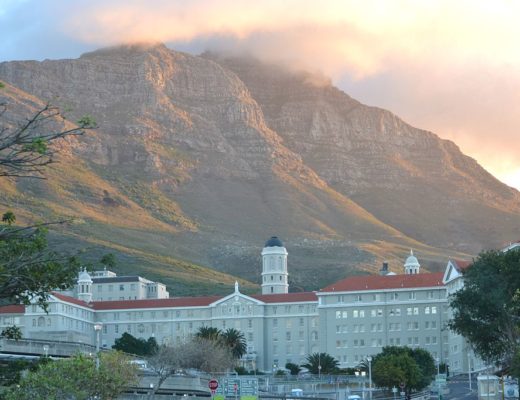
On 3 December 1967, Barnard transplanted the heart of Denise Darvall, who had just died from a head injury, into the chest of a 54-year-old Louis Washkansky. Washkansky regained full consciousness and lived for 18 days, even spending time with his wife, before he died of pneumonia, with the suppression of his immune system by anti-rejection drugs being a major contributing factor. Barnard had told Mr and Mrs Washkansky that the operation had an 80 percent chance of success, a claim which has been criticised as misleading.
Barnard’s second transplant patient Philip Blaiberg, with the operation performed at the beginning of 1968, lived for nineteen months and was able to go home from the hospital.
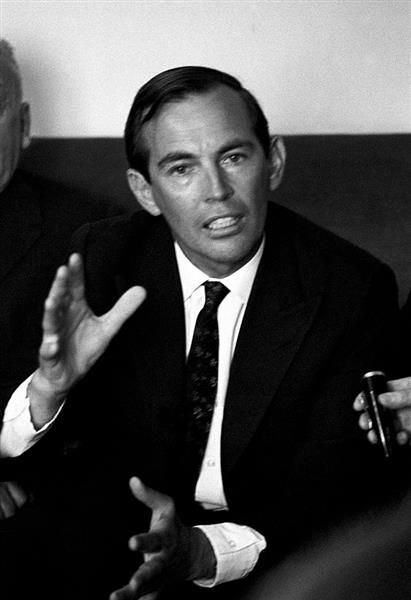
He retired as Head of the Department of Cardiothoracic Surgery in Cape Town in 1983 after developing rheumatoid arthritis in his hands which ended his surgical career. He became interested in anti-aging research and in 1986 his reputation suffered when he promoted Glycel, an expensive ‘anti-aging’ skin cream, whose approval was withdrawn by the United States Food and Drug Administration soon thereafter. During his remaining years, he established the Christiaan Barnard Foundation, dedicated to helping underprivileged children throughout the world. He died in 2001 at the age of 78 after an asthma attack.
Most notable historic snippets or facts extracted from the book ‘On This Day’ first published in 1992 by Octopus Publishing Group Ltd, London, as well as additional supplementary information extracted from Wikipedia.
HAVE YOUR SAY
Like our Facebook page, follow us on Twitter and Instagram
For news straight to your phone, add us on WhatsApp 082 421 6033