January 12: On This Day in World History … briefly
In 1971 she was appointed a Dame Commander of the Order of the British Empire (DBE) for her contribution to literature.
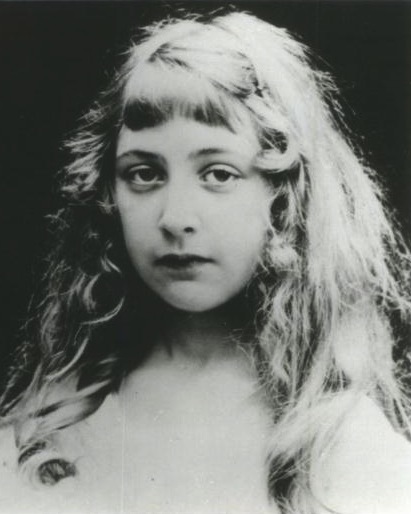
1976: Queen of crime dies with mystery unsolved
The queen of crime fiction breathed her last breath on this day at the age of 85, carrying her most enigmatic mystery to the grave unsolved. Christie gave permission for the release of Sleeping Murder sometime in 1976 but died in January 1976 before the book could be released. This may explain some of the inconsistencies compared to the rest of the Marple series—for example, Colonel Arthur Bantry, husband of Miss Marple’s friend Dolly, is still alive and well in Sleeping Murder although he is noted as having died in books published earlier. It may be that Christie simply did not have time to revise the manuscript before she died.
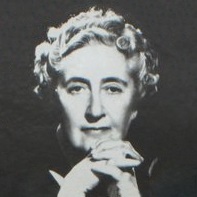
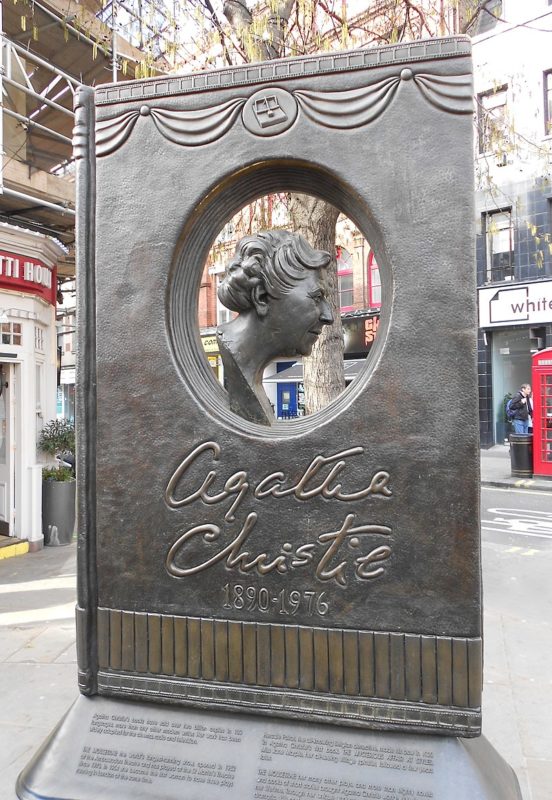
Dame Agatha Christie’s books have been translated into every major language since the first one appeared in 1920. She was the creator of the Belgian dandy martinet Hercule Poirot and the parochial, English Miss Jane Marple. Of nearly 100 novels, many were made into films, while the stage play The Mousetrap ran for 24 years in London’s West End.
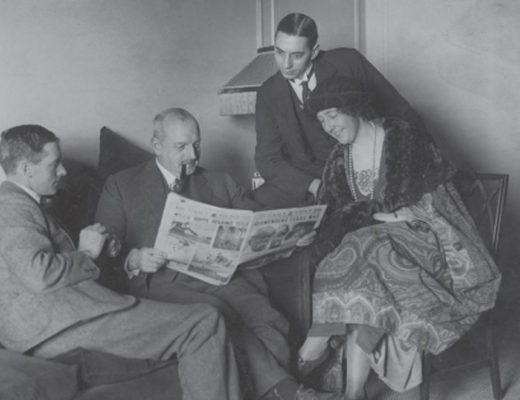
She met Archibald Christie (1889–1962) at a dance given by Lord and Lady Clifford at Ugbrooke, about 12 miles (19 km) from Torquay. Archie was born in India, the son of a barrister in the Indian Civil Service. He was an army officer who was seconded to the Royal Flying Corps in April 1913. The couple quickly fell in love. Upon learning that he would be stationed in Farnborough, Archie proposed marriage, and Agatha accepted.
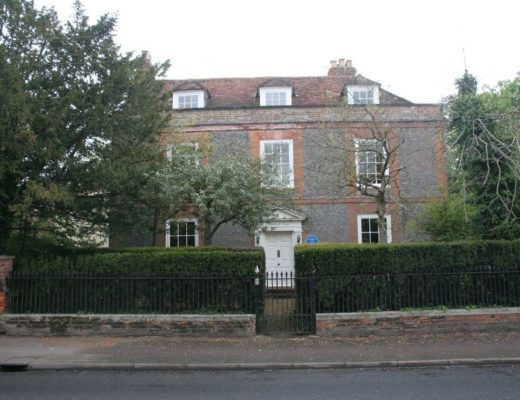
In late 1926, Archie asked Agatha for a divorce. He had fallen in love with Nancy Neele, who had been a friend of Major Belcher, director of the British Empire Mission, on the promotional tour a few years earlier.
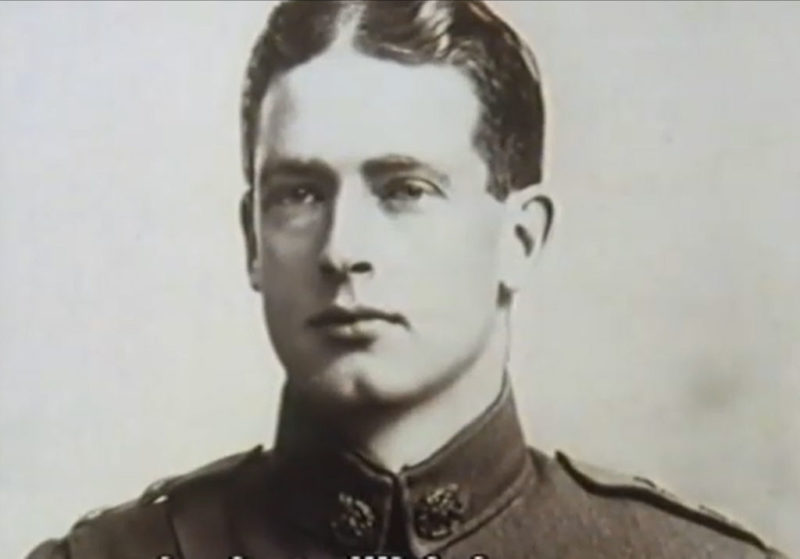
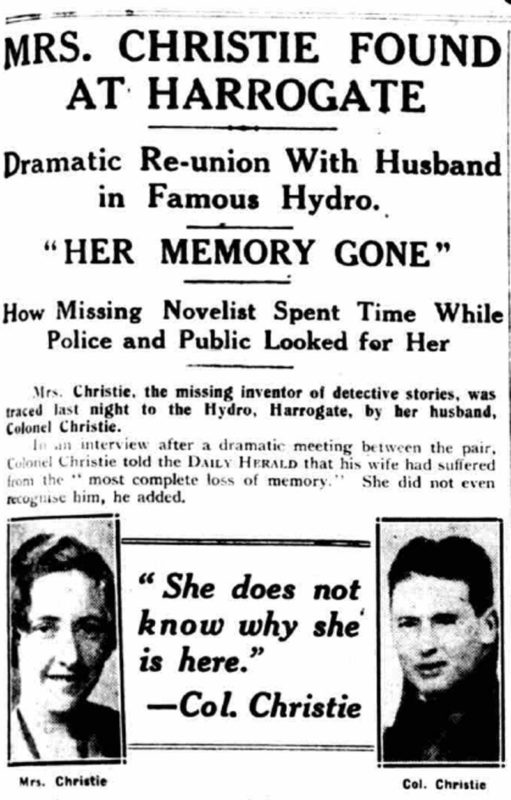
On December 3, 1926, the Christies quarrelled, and Archie left their house, which they named Styles, in Sunningdale, Berkshire, to spend the weekend with his mistress in Godalming, Surrey. That same evening, around 9.45pm, Christie disappeared from her home, leaving behind a letter for her secretary saying that she was going to Yorkshire. Her car, a Morris Cowley, was later found at Newlands Corner, perched above a chalk quarry, with an expired driving licence and clothes.
The Christies divorced in 1928, and Archie married Nancy Neele. Agatha retained custody of their daughter Rosalind and the Christie name for her writing. During their marriage, she published six novels, a collection of short stories, and a number of short stories in magazines.
Christie’s autobiography makes no reference to her disappearance. Two doctors diagnosed her as suffering from amnesia, yet opinion remains divided as to why she disappeared. Her biographer Laura Thompson suggested that Christie let this out in the six novels that she wrote between 1930 and 1956 under the nom de plume Mary Westmacott, in a style quite different from her regular detective stories. She was known to be in a depressed state from literary overwork, her mother’s death earlier that year, and her husband’s infidelity. Public reaction at the time was largely negative, supposing a publicity stunt or an attempt to frame her husband for murder. Dame Christie never revealed the truth of her missing weekend in 1926, after which she reappeared in a Harrogate Hotel with no recollection of where she had been.
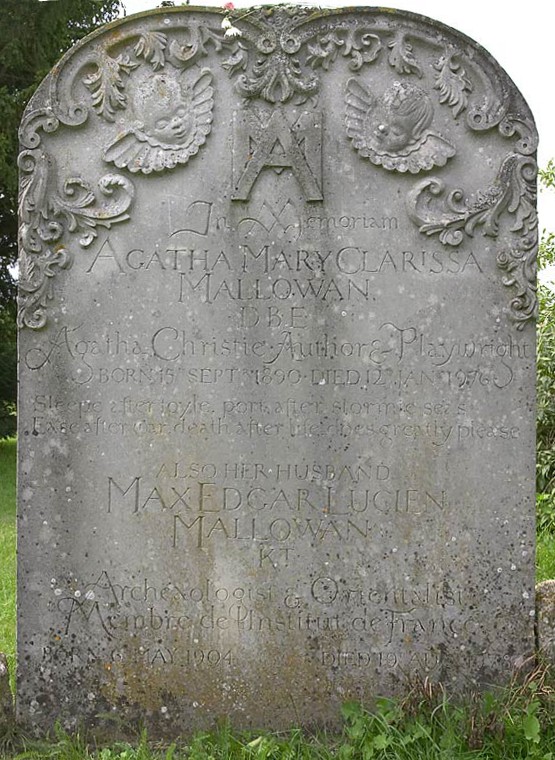
Dame Agatha Christie died on 12 January 12, 1976, at age 85 from natural causes at her home Winterbrook House which was located in Winterbrook, Wallingford, Oxfordshire. At the time of her death Winterbrook was still a part of the parish of Cholsey. She is buried in the nearby churchyard of St Mary’s, Cholsey, having chosen the plot for their final resting place with her husband Sir Max some ten years before she died. The simple funeral service was attended by about 20 newspaper and TV reporters, some having travelled from as far away as South America. Thirty wreaths adorned Dame Agatha’s grave, including one from the cast of her long-running play The Mousetrap and one sent ‘on behalf of the multitude of grateful readers’ by the Ulverscroft Large Print Book Publishers.
Most notable historic snippets or facts extracted from the book ‘On This Day’ first published in 1992 by Octopus Publishing Group Ltd, London, as well as additional supplementary information extracted from Wikipedia.
HAVE YOUR SAY
Like our Facebook page, follow us on Twitter and Instagram
For news straight to your phone, add us on WhatsApp 082 421 6033