January 28: On This Day in World History … briefly
Millions of viewers saw the televised launch turn to tragedy as the space shuttle's fuel tanks, containing liquid hydrogen and oxygen, explode ten miles from the ground.
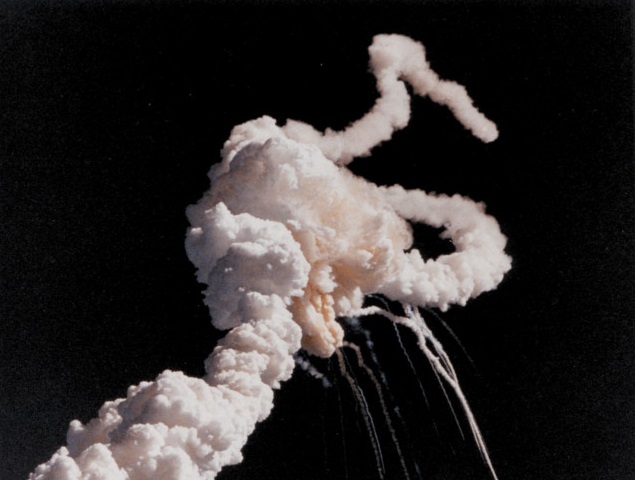
1986: Millions watch in horror as space shuttle explodes
The USA space shuttle Challenger exploded in a ball of fire soon after blasting off for its tenth flight – killing all on board instantly.
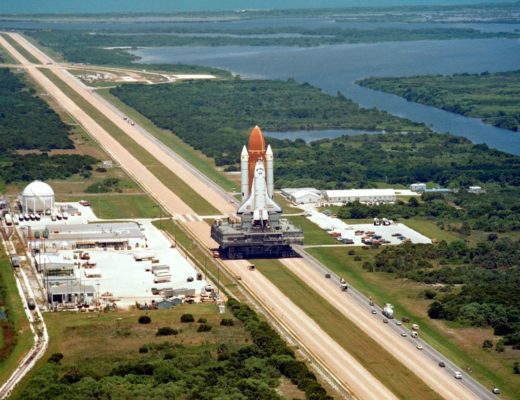
The orbiter had been launched and landed nine times before breaking apart 73 seconds into its tenth mission, STS-51-L, on January 28, 1986, resulting in the death of all seven crew members, including a civilian school teacher. It was the first of two shuttles to be destroyed in flight, the other was Columbia in 2003.
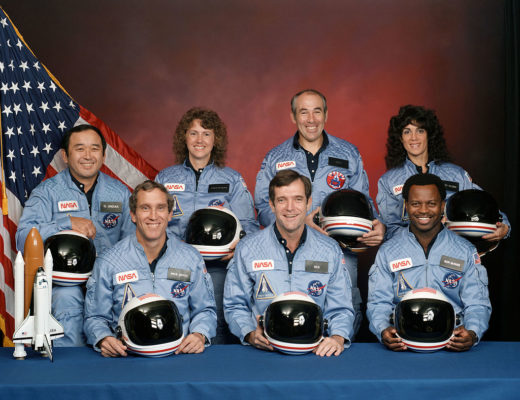
This was NASA’s second space tragedy – a major blow to the shuttle programme. The crew included Christa McAuliffe, a high school teacher who had won her place on the flight in a nationwide competition.
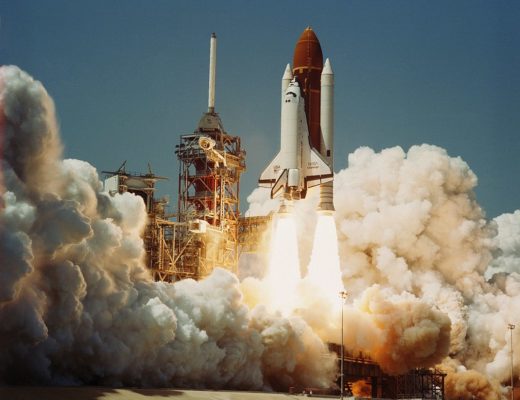
Challenger itself seemed reluctant to undertake its final mission: the launch was postponed five times and only went ahead after unseasonal ice was chipped from the skin of the shuttle.
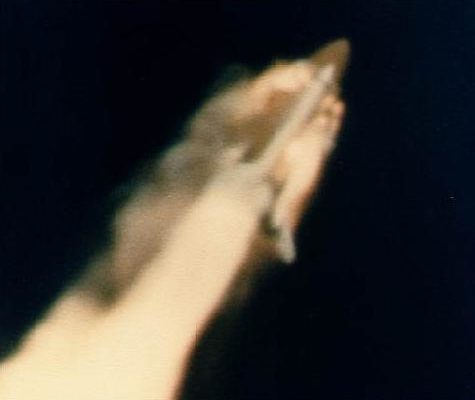
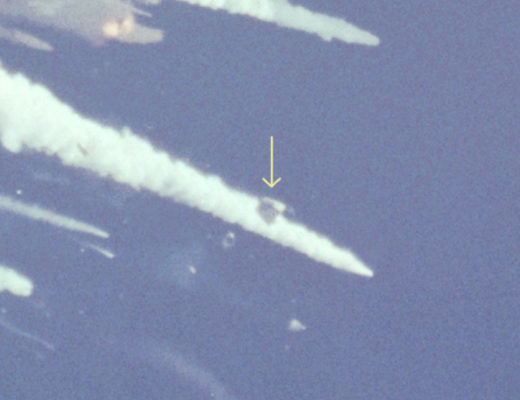
In Mission Control, there was a burst of static on the air-to-ground loop as Challenger disintegrated. Television screens showed a cloud of smoke and water vapor (the product of hydrogen plus oxygen combustion) where Challenger had been, with debris falling into the ocean.
The accident led to a two-and-a-half-year grounding of the shuttle fleet; flights resumed in 1988, with STS-26 flown by ‘Discovery’. Challenger was replaced by ‘Endeavour’, built from structural spares ordered by NASA in the construction contracts for Discovery and Atlantis.
Most notable historic snippets or facts extracted from the book ‘On This Day’ first published in 1992 by Octopus Publishing Group Ltd, London, as well as additional supplementary information extracted from Wikipedia.
HAVE YOUR SAY
Like our Facebook page, follow us on Twitter and Instagram
For news straight to your phone, add us on WhatsApp 082 421 6033