January 31: On This Day in World History … briefly
In August 1998, taxi driver John Shaw from Hyde, contacted the police to inform them that he suspected Shipman of murdering 21 of his patients.
2000: ‘Dr Death’ – Britain’s most prolific serial killer sentenced to life
Family GP Dr Harold Shipman is sentenced to life for murdering 15 of his female patients, making him Britain’s worst convicted serial killer.
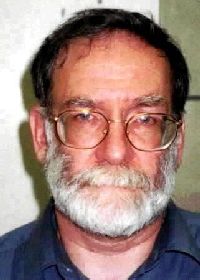
The Shipman Inquiry, a two-year-long investigation of all deaths certified by Shipman, which was chaired by Dame Janet Smith, examined Shipman’s crimes. The inquiry identified 218 victims and estimated his total victim count at 250, about 80 percent of whom were elderly women. His youngest confirmed victim was a 41-year-old man, although ‘significant suspicion’ arose that he had killed patients as young as four. While authorities could have brought many additional charges, they concluded that a fair hearing would be impossible in view of the enormous publicity surrounding the original trial. And the 15 life sentences already handed down rendered further litigation unnecessary.
His last victim was Kathleen Grundy, who was found dead at her home on June 24, 1998. Shipman was the last person to see her alive; he later signed her death certificate, recording ‘old age’ as the cause of death. Grundy’s daughter, lawyer Angela Woodruff, became concerned when solicitor Brian Burgess informed her that a will had been made, apparently by her mother. There were doubts about its authenticity. The will excluded her and her children, but left £386 000 to Shipman.
Burgess told Woodruff to report it and she went to the police, who began an investigation. Grundy’s body was exhumed and when examined, was found to contain traces of diamorphine (heroin), often used for pain control in terminal cancer patients. Shipman claimed that she was an addict and showed them comments in his computerised medical journal, but a program on his computer that recorded ghost actions showed they were written after her death. Shipman was arrested on September 7, 1998, and was found to own a typewriter – the kind used to make the forged will.

The police then investigated other deaths Shipman had certified and created a list of 15 specimen cases to investigate. They discovered a pattern of his administering lethal doses of diamorphine, signing patients’ death certificates, and then falsifying medical records to indicate that they had been in poor health. Shipman consistently denied his guilt, disputing the scientific evidence against him. He never made any public statements about his actions. His wife, Primrose, steadfastly maintained her husband’s innocence, even after his conviction.
Shipman is the only doctor in the history of British medicine found guilty of murdering his patients. John Bodkin Adams was charged in 1957 with murdering a patient, amid rumours he had killed dozens more over a 10-year period and ‘possibly provided the role model for Shipman’. However, he was acquitted. Historian Pamela Cullen has argued that because of Adams’ acquittal, there was no impetus to examine the flaws in the British system until the Shipman case.
Much of Britain’s legal structure concerning health care and medicine was reviewed and modified as a result of Shipman’s crimes. He is the only British doctor to have been found guilty of murdering his patients, although other doctors have been acquitted of similar crimes or convicted on lesser charges.
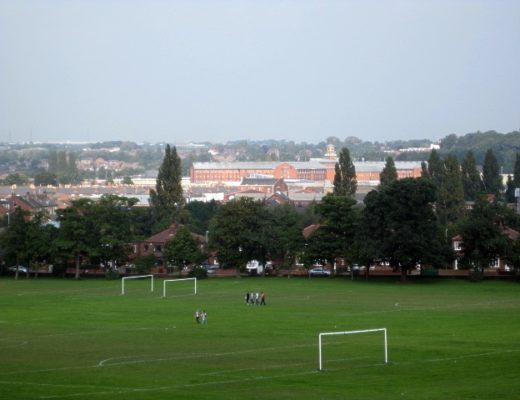
Shipman died on January 13, 2004, one day prior to his 58th birthday, by hanging himself in his cell at Wakefield Prison.
Most notable historic snippets or facts extracted from the book ‘On This Day’ first published in 1992 by Octopus Publishing Group Ltd, London, as well as additional supplementary information extracted from Wikipedia.
HAVE YOUR SAY
Like our Facebook page, follow us on Twitter and Instagram
For news straight to your phone, add us on WhatsApp 082 421 6033