February 2: On This Day in World History … briefly
He survived with the aid of a musket, a hatchet, a knife and a flint to strike a flame, improvising all his other needs.
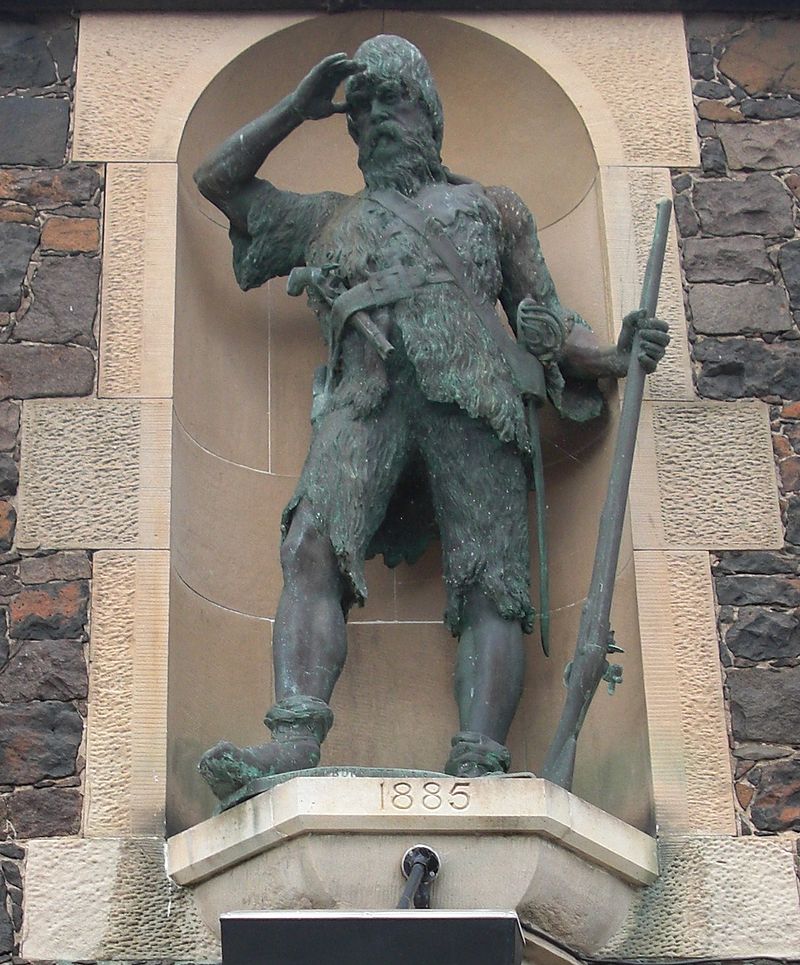
1709: Castaway sailor rescued after four years on deserted island
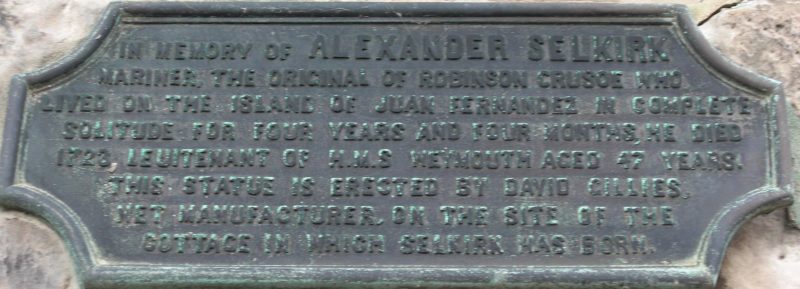
Alexander Selkirk (1676 – 13 December 1721) was a Scottish privateer and Royal Navy officer who spent four years and four months as a castaway (1704 to 1709) after being marooned by his captain on an uninhabited island in the South Pacific Ocean. He survived that ordeal, but succumbed to tropical illness a dozen years later while serving aboard HMS Weymouth off West Africa.
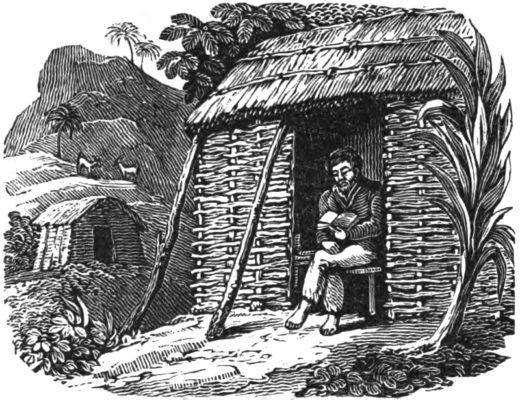
Selkirk was an unruly youth, and joined buccaneering voyages to the South Pacific during the War of the Spanish Succession. One such expedition was on Cinque Ports, captained by Thomas Stradling under the overall command of William Dampier. Stradling’s ship stopped to resupply at the uninhabited Juan Fernández Islands, and Selkirk judged correctly that the craft was unseaworthy and asked to be left there.
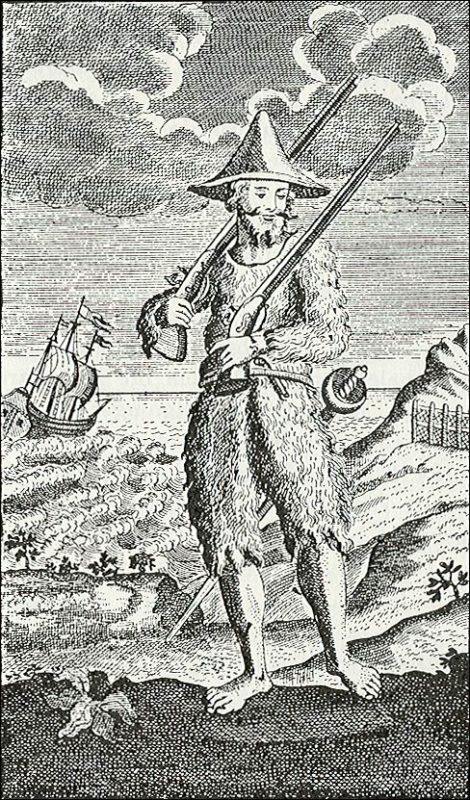
By the time he was eventually rescued by English privateer Woodes Rogers, in company with Dampier, Selkirk had become adept at hunting and making use of the resources that he found on the island. His story of survival was widely publicised after his return to England, becoming a source of inspiration for writer Daniel Defoe’s fictional character Robinson Crusoe.
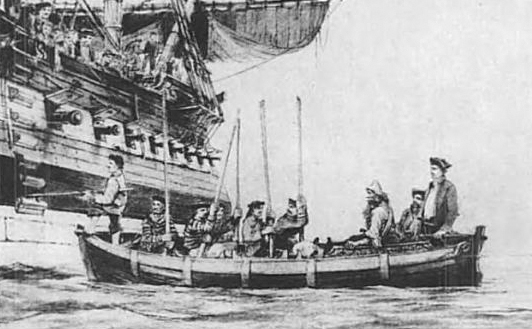
As Captain Rogers described in his ship’s log, the longboat brought on board:-
“A man cloth’d in goatskins, who look’d wilder than the first owners of them. For the first eight months, he had much ado to bear up against melancholy, and the terror of being left alone in such a desolate place.”
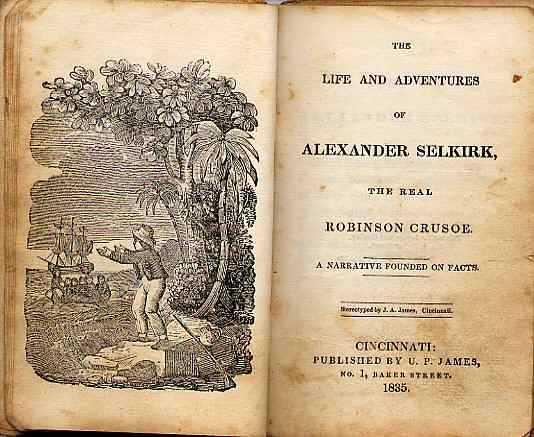
After a few months in London, he began to seem more like his former self again. In September 1713 he was charged with assaulting a shipwright in Bristol and may have been kept in confinement for two years. He returned to Lower Largo, where he met Sophia Bruce, a young dairymaid. They eloped to London early in 1717 but apparently did not marry. He was soon off to sea again, having enlisted in the Royal Navy. While on a visit to Plymouth in 1720, he married a widowed innkeeper named Frances Candis. He was serving as master’s mate on board HMS Weymouth, engaged in an anti-piracy patrol off the west coast of Africa, when he died on December 13, 1721, succumbing to the yellow fever that plagued the voyage. He was buried at sea.
Most notable historic snippets or facts extracted from the book ‘On This Day’ first published in 1992 by Octopus Publishing Group Ltd, London, as well as additional supplementary information extracted from Wikipedia.
HAVE YOUR SAY
Like our Facebook page, follow us on Twitter and Instagram
For news straight to your phone, add us on WhatsApp 082 421 6033