March 4: On This Day in World History … briefly
Lennon had never meant to imply that religion was merely a matter of popularity polls, nevertheless, many people were outraged and it cost the band a lot of fans.
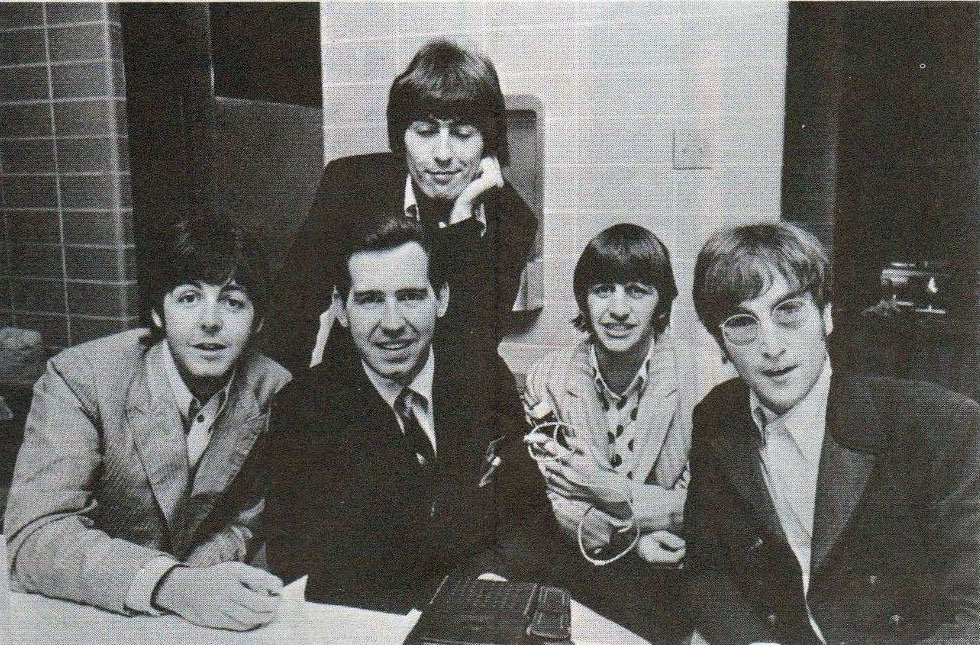
1966: John causes outrage with his ‘more popular than Jesus’ quip
Fast-quipping Beatle John Lennon’s quick Merseyside tongue landed him in hot water when he told a newspaper reporter the Beatles were more popular than Christ. Lennon, speaking to Maureen Cleave of London’s ‘Evening Standard’ about rock ‘n roll had carelessly remarked –
“Christianity will go. It will vanish and shrink. I needn’t argue about that; I’m right and I’ll be proved right. We’re more popular than Jesus now; I don’t know which will go first – rock ‘n’ roll or Christianity. Jesus was all right but his disciples were thick and ordinary. It’s them twisting it that ruins it for me.”
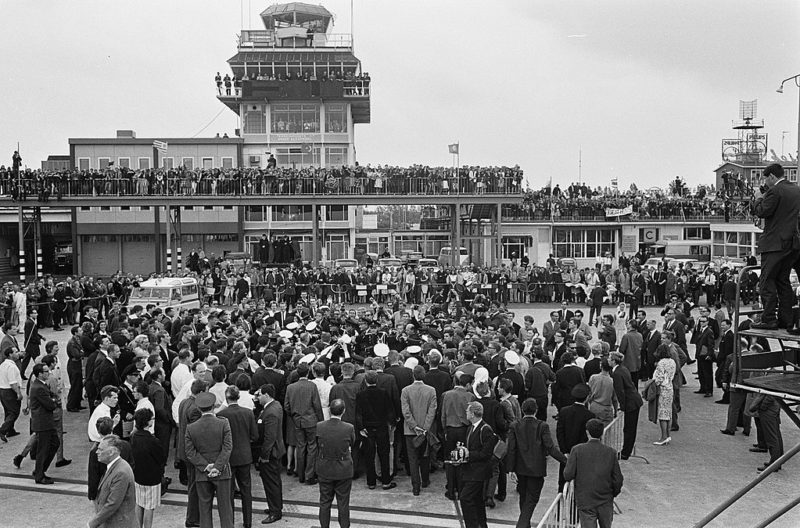
Actually, he was just stating a fact – at the time The Beatles concerts and appearance venues were filled to capacity, while English churches were empty – and they were painfully aware of the flagging attendance. Shortly after the controversy broke, Lennon apologised for the comment, saying
“If I had said television was more popular than Jesus, I might have got away with it”.
He explained that he was simply remarking on how other people viewed and popularised the band. The events contributed to the Beatles’ lack of interest in public live performances, and the US tour was the last they undertook, after which they became a studio-only band.
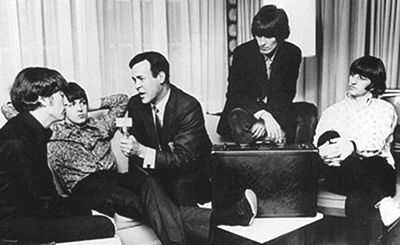
On May 18, 1968, Lennon summoned the other Beatles to a meeting at Apple Corps to announce that he was the living reincarnation of Jesus: “I have something very important to tell you all. I am Jesus Christ. I’m back again.” The meeting was adjourned for lunch and Lennon never mentioned the subject again.
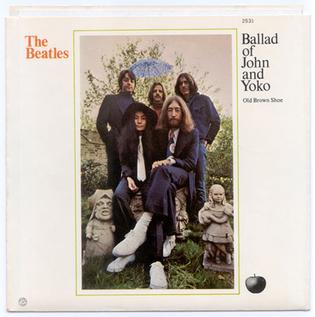
In May 1969, Lennon and McCartney recorded ‘The Ballad of John and Yoko’, with Lennon singing the lines
“Christ, you know it ain’t easy, You know how hard it can be, The way things are going, They’re gonna crucify me.”
In a BBC interview a few months later, Lennon called himself ‘One of Christ’s biggest fans’, talked about the Church of England, his vision of heaven and unhappiness over being unable to marry Yoko Ono in church.
On December 3, 1969, Andrew Lloyd Webber and Tim Rice asked Lennon to play the part of Jesus in the stage production of ‘Jesus Christ Superstar’, which he declined, although he said he would have been interested if Ono could play the part of Mary Magdalene. Lennon mentioned Jesus again in his 1970 song ‘God’ singing, ‘I don’t believe in Jesus’, but also sang that he did not believe in the Bible, Buddha, the Gita, and the Beatles. Critics of Lennon’s lyrics have also focused on the line ‘Imagine there’s no heaven’ from his 1971 song ‘Imagine’.
“I’m seriously worried about someone with a rifle. After all, there’s no Kennedy anymore, but you can always shoot John Lennon.”
Lennon was murdered on December 8, 1980 by Mark David Chapman, who had become a born-again Christian in 1970 and was incensed by Lennon’s ‘more popular than Jesus’ remark, calling it blasphemy. He later stated that he was further enraged by the songs ‘God’ and ‘Imagine’, even singing the latter with the altered lyric: ‘Imagine John Lennon dead’.
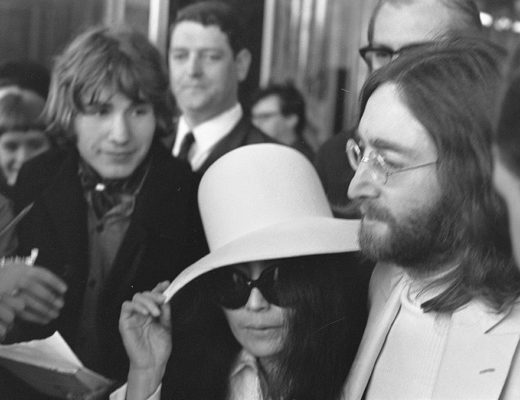
In 1993, Michael Medved wrote in The Sunday Times that ‘today, comments like Lennon’s could never cause controversy; a contemptuous attitude to religion is all but expected from all mainstream pop performers.’ In 1997, Noel Gallagher claimed that his band Oasis was ‘bigger than God’, but reaction was minimal.
In a 2008 article marking the 40th anniversary of the Beatles’ double album ‘The Beatles’ (also known as the ‘White Album’), Vatican newspaper ‘L’Osservatore Romano’ issued the statement:
‘The remark by John Lennon, which triggered deep indignation, mainly in the United States, after many years sounds only like a ‘boast’ by a young working-class Englishman faced with unexpected success, after growing up in the legend of Elvis and rock and roll. The fact remains that 38 years after breaking up, the songs of the Lennon-McCartney brand have shown an extraordinary resistance to the passage of time, becoming a source of inspiration for more than one generation of pop musicians.’
Most notable historic snippets or facts extracted from the book ‘On This Day’ first published in 1992 by Octopus Publishing Group Ltd, London, as well as additional supplementary information extracted from Wikipedia.
HAVE YOUR SAY
Like our Facebook page, follow us on Twitter and Instagram