March 12: On This Day in World History … briefly
Two fire companies reported hearing and feeling the effects of the massive explosion and alerted the department's dispatch office. Within a short amount of time, the incident escalated to a five-alarm fire, bringing over 250 firefighters to the scene.
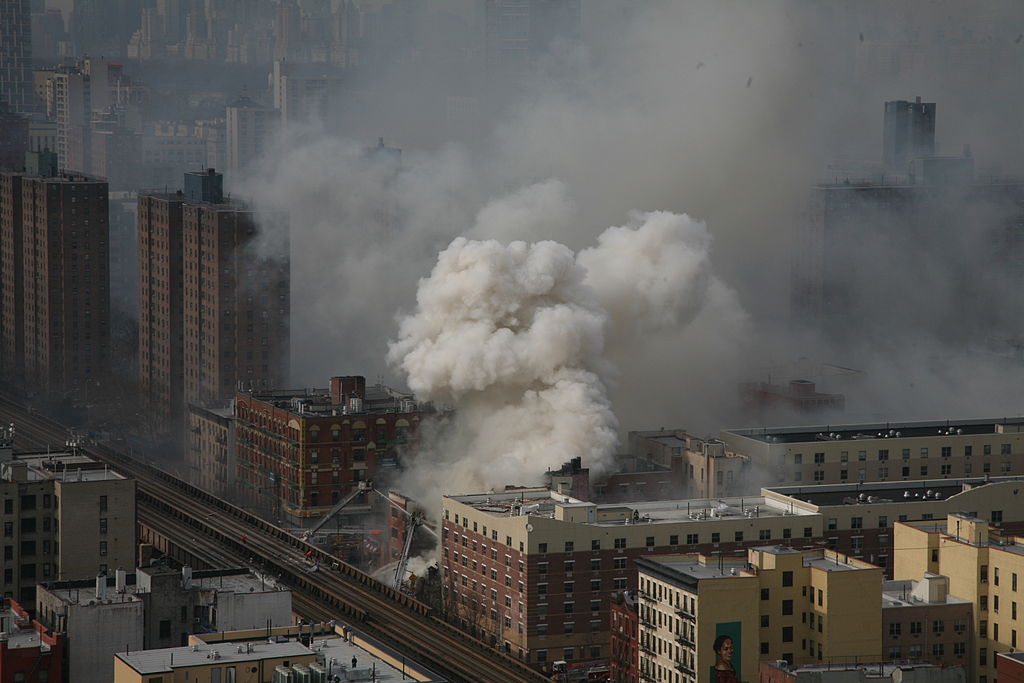
2014: Gas explosion in New York City kills eight
The 2014 East Harlem gas explosion occurred at 9.31am on March 12, 2014, in the East Harlem neighborhood of Manhattan in New York City. The explosion leveled two apartment buildings located just north of 116th Street, at 1644 and 1646 Park Avenue, killing eight people, injuring at least 70 others and displacing 100 families. City officials initially pointed to a gas leak as the cause of the blast. In June 2015, the National Transportation Safety Board (NTSB) blamed the explosion on failures by Consolidated Edison and the city.
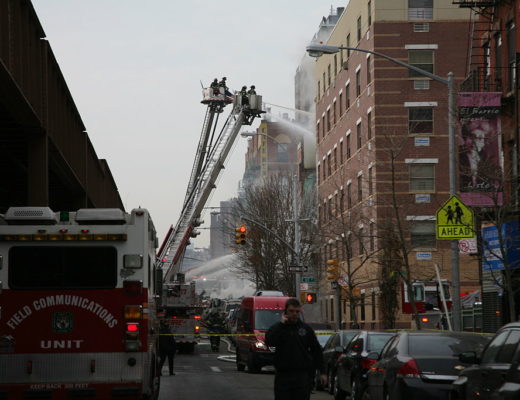
The NTSB, which is responsible for investigating gas-related incidents, reported on June 9, 2015 that faulty welding of two Con Edison gas pipes was primarily responsible for the explosion, but that it might not have happened at all if New York City had repaired a large hole in a nearby sewer main which it had known about for eight years. The hole in the sewer undermined the soil beneath the gas pipes, causing them to sag and then crack open. Thus it was the combination of the two circumstances which caused the disaster. The NTSB also faulted local residents who did not report the odor of leaking gas, which began at least a day before the explosion, and Con Edison’s failure to notify the New York City Fire Department immediately once the leak had been reported to the company.
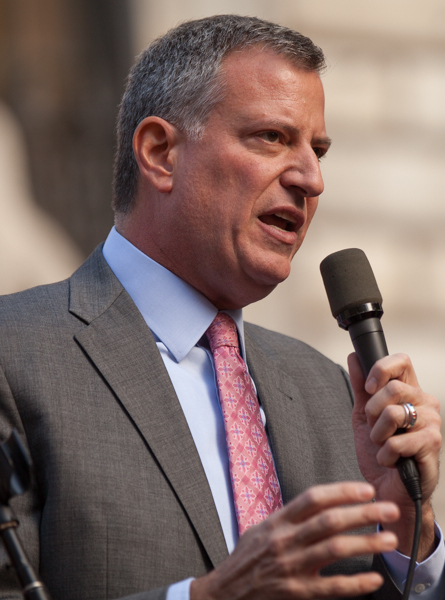
Con Edison sued New York City, and the office of Mayor Bill de Blasio rejected the NTSB’s finding of fault on the city’s part, saying that the effects of sewer leakage was ‘localised’ and did not cause the gas pipes to break. The utility’s suit, filed in June 2015, blamed the gas explosion on neglect by the city. Con Edison said the city was notified on multiple occasions about depressions on the street pavement.
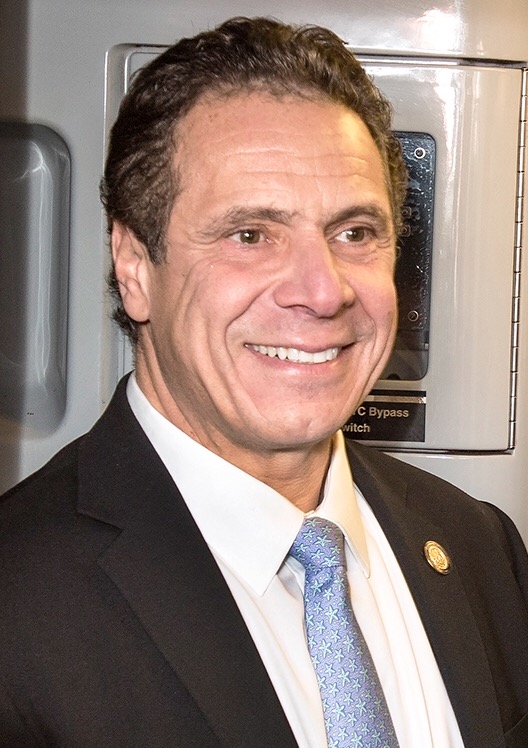
In November 2015, an investigation by the New York Public Service Commission accused Con Edison of 11 violations of gas-safety regulations. The PSC found that the utility did not correctly install a gas pipe and failed to notify the Fire Department after two reports of gas odours. The report said that undermining of a gas line by a neglected city sewer line was a contributing factor. In February 2017, Con Edison agreed to pay $153 million to settle the PSC charges. It was described by New York governor Andrew Cuomo as the largest payment for a gas safety incident in the state’s history. The settlement will largely go to gas safety education, repairs of pipes prone to gas leaks, and costs incurred by residents and businesses as a result of the explosion. The utility did not admit wrongdoing.
Most notable historic snippets or facts extracted from the book ‘On This Day’ first published in 1992 by Octopus Publishing Group Ltd, London, as well as additional supplementary information extracted from Wikipedia.
HAVE YOUR SAY
Like our Facebook page, follow us on Twitter and Instagram