March 15: On This Day in World History … briefly
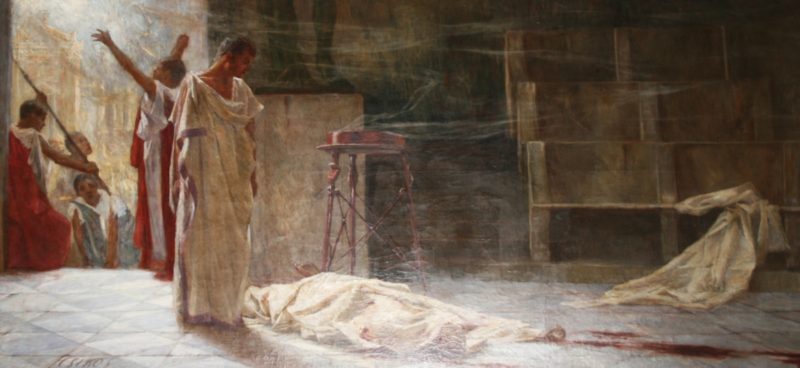
Two days after the assassination, Mark Antony summoned the senate and managed to work out a compromise where the assassins would not be punished for their acts, but all Caesar's appointments would remain valid. By doing this, Antony most likely hoped to avoid large cracks in government forming as a result of Caesar's death.
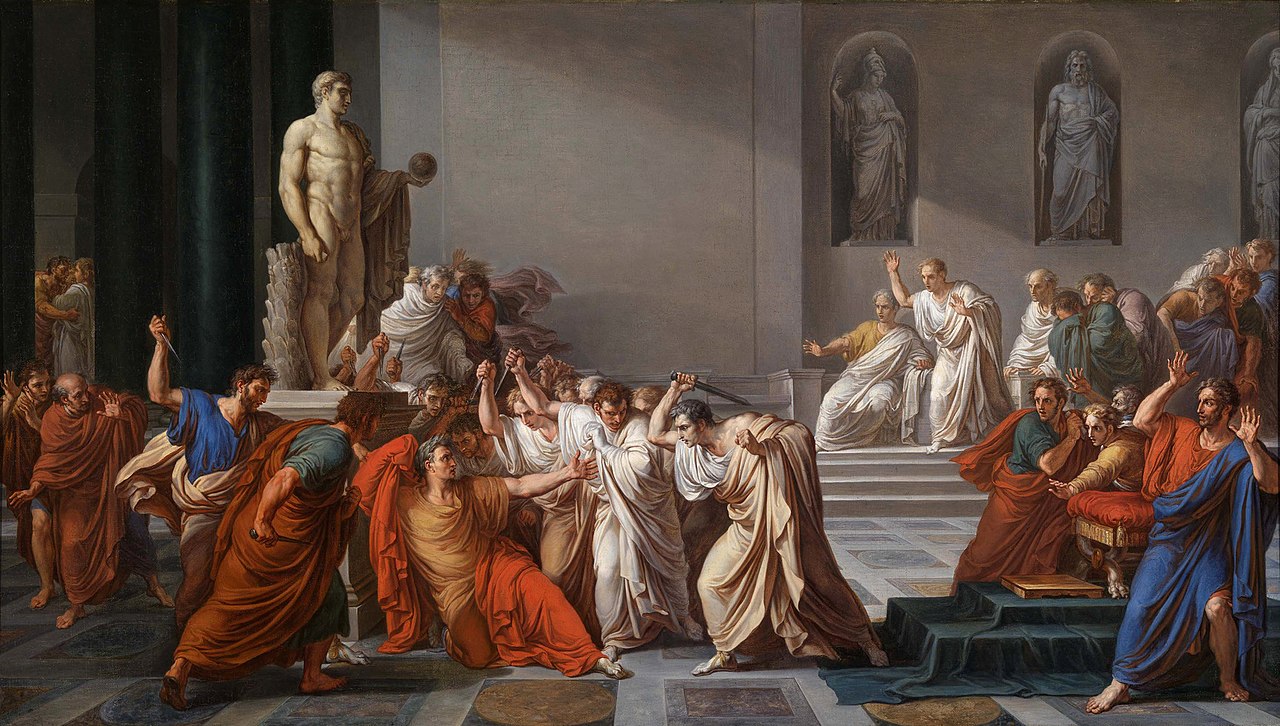
44BC: Julius Caesar fails to heed the ‘Ides of March’ warning
Julius Caesar should have listened to his fortune-teller – ‘Beware of the Ides of March.’ he was told, but he insisted on attending a meeting of the senate in Pompey’s theatre. Caesar had recently compared himself to Alexander the Great and was planning the conquest of Parthia. Many Romans were convinced he had to be stopped.
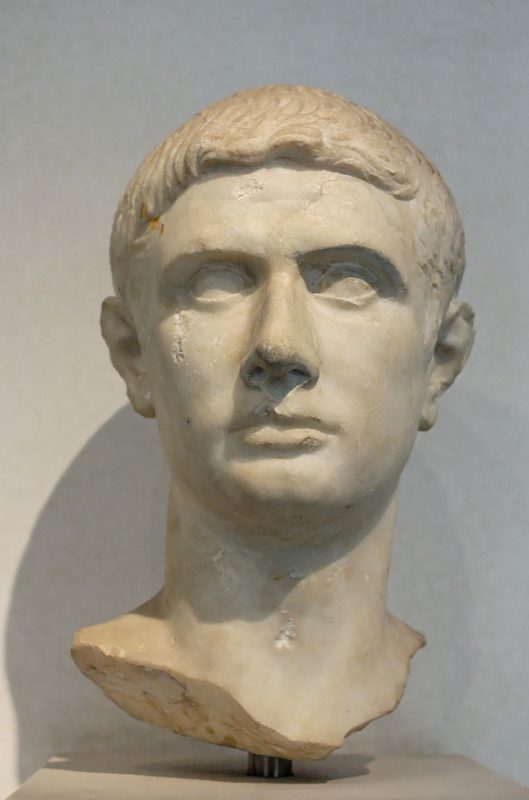
Stabbed by Marcus Brutus, he fell uttering the words: “Et tu, Brute?” – roughly translated as “You too, Brutus?”

Brutus began to conspire against Caesar with his friend and brother-in-law Gaius Cassius Longinus and other men, calling themselves the Liberatores (‘Liberators’). Many plans were discussed by the group, which were documented by Nicolaus of Damascus:
‘The conspirators never met exactly openly, but they assembled a few at a time in each other’s homes. There were many discussions and proposals, as might be expected, while they investigated how and where to execute their design. Some suggested that they should make the attempt along the Sacred Way, which was one of his favorite walks. Another idea was to do it at the elections, during which he had to cross a bridge to appoint the magistrates in the Campus Martius. Someone proposed that they draw lots for some to push him from the bridge and others to run up and kill him. A third plan was to wait for a coming gladiatorial show. The advantage of that was, because of the show, no suspicion would be aroused if arms were seen. The majority opinion, however, favored killing him while he sat in the Senate. He would be there by himself, since only Senators were admitted, and the conspirators could hide their daggers beneath their togas. This plan won the day.’
Nicolaus writes that in the days leading up to the assassination, Caesar was told by doctors, friends, and even his wife, Calpurnia, not to attend the Senate on the Ides for various reasons, including medical concerns and troubling dreams Calpurnia had:
‘…his friends were alarmed at certain rumours and tried to stop him going to the senate-house, as did his doctors, for he was suffering from one of his occasional dizzy spells. His wife, Calpurnia, especially, who was frightened by some visions in her dreams, clung to him and said that she would not let him go out that day. But Brutus, one of the conspirators who was then thought of as a firm friend, came up and said, ‘What is this, Caesar? Are you a man to pay attention to a woman’s dreams and the idle gossip of stupid men, and to insult the Senate by not going out, although it has honoured you and has been specially summoned by you? But listen to me, cast aside the forebodings of all these people, and come. The Senate has been in session waiting for you since early this morning.’ This swayed Caesar and he left.
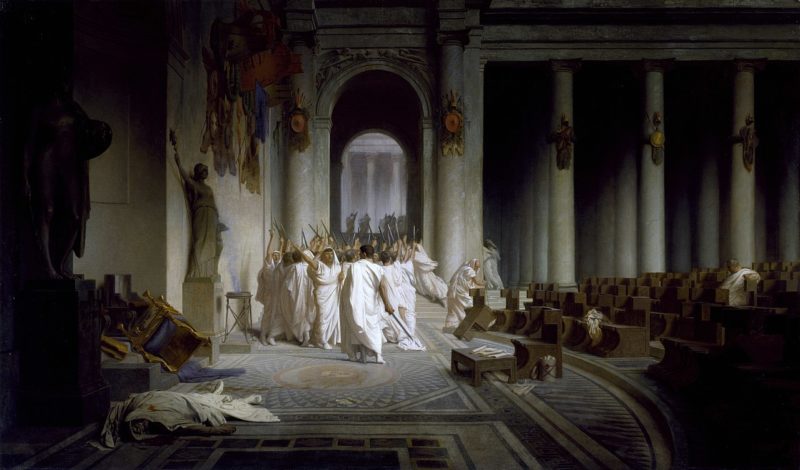
Caesar had been preparing to invade the Parthian Empire (a campaign later taken up by his successor, Mark Antony) and planned to leave for the East in the latter half of March. This forced a timetable onto the conspirators. Two days before the actual assassination, Cassius met with the conspirators and told them that, should anyone discover the plan, they were to turn their knives on themselves. His successors did attempt the conquests of Parthia and Germania, but without lasting results.
Most notable historic snippets or facts extracted from the book ‘On This Day’ first published in 1992 by Octopus Publishing Group Ltd, London, as well as additional supplementary information extracted from Wikipedia.
HAVE YOUR SAY
Like our Facebook page, follow us on Twitter and Instagram