March 17: On This Day in World History … briefly
The SS Utopia was a transatlantic passenger steamship operating on the Anchor Line routes from Glasgow to New York City, from Glasgow to Bombay and from London to New York. After 1882 she was used to carry immigrants from Naples to the United States.
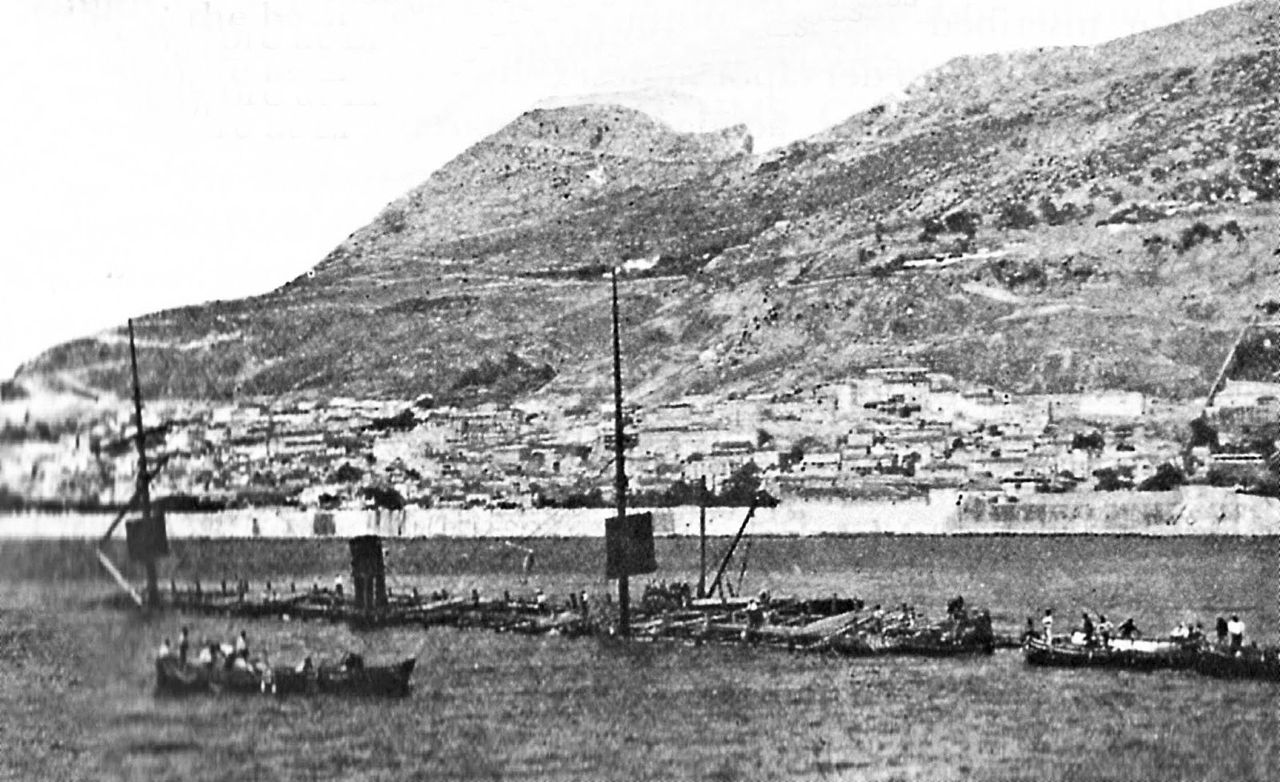
1891: Colliding ships kill 562
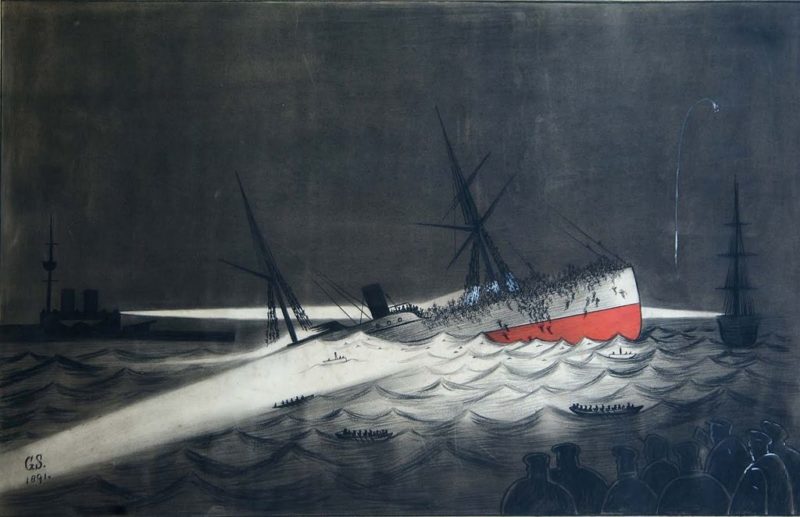
SS Utopia was a transatlantic passenger steamship built in 1874 by Robert Duncan & Co of Glasgow. From 1874 to 1882 she operated on Anchor Line routes from Glasgow to New York City, from Glasgow to Bombay and from London to New York City. After 1882 she carried Italian immigrants to the United States. On March 17, 1891, Utopia accidentally collided with the moored battleship HMS Anson in the Bay of Gibraltar. Utopia sank in less than twenty minutes; 562 of 880 passengers and crew of Utopia and two rescuers from HMS Immortalité died in the accident. The sinking of Utopia was blamed on a ‘grave error of judgement’ of her captain John McKeague, who survived the accident.
On February 25, 1891, Utopia sailed out from Trieste for New York City with stopovers at Naples, Genoa and Gibraltar. She carried a total of 880 people: 59 crew members (most of them stewards), three first-class passengers, 815 third-class passengers, and three stowaways. There were 85 women and 67 children. According to captain John McKeague’s signed statement, Utopia normally carried seven lifeboats that could accommodate up to ‘460 people in moderate weather’ but on the night of the catastrophe one of these boats was missing.
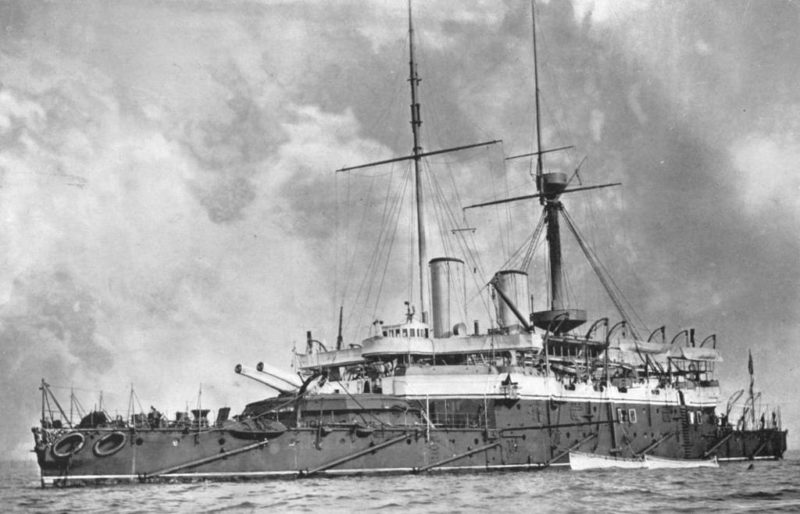
Utopia reached Gibraltar in the afternoon of March 17. Captain John McKeague steered Utopia to her usual anchorage in the inner harbour, but then realised that it was occupied by two battleships – HMS Anson and HMS Rodney. McKeague later said that he had been temporarily dazzled by Anson‘s searchlight. When McKeague’s eyesight recovered he ‘suddenly discovered that the inside anchorage was full of ships’. According to his statement, McKeague thought that Anson was ‘further off than she really was’ and attempted to steer Utopia ahead of Anson‘s bow. Suddenly a ‘strong gale combined with current swept the vessel across the bows of the Anson, and in a moment her hull was pierced and cut by the ram of the ironclad.’ According to third mate Francis Wadsworth, the impact occurred at 6.36pm. Anson‘s ram tore a hole five metres (16ft) wide below Utopia‘s waterline and her holds quickly flooded.
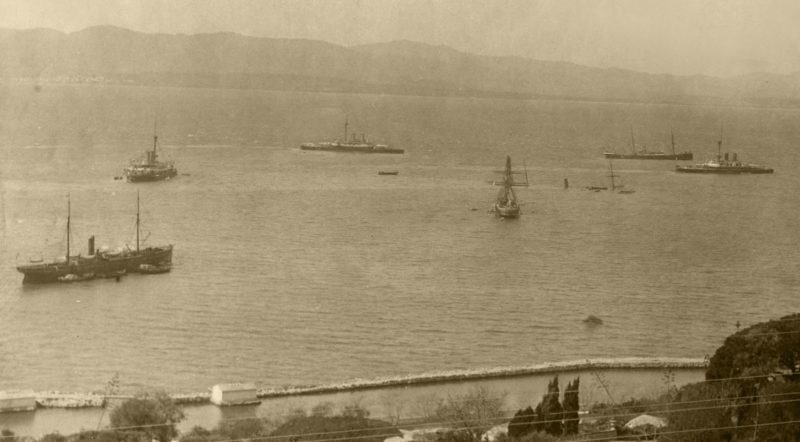
McKeague at first considered beaching the ship, but Utopia almost instantly lost engine power: The engineers had shut down the engines to prevent a steam explosion. McKeague ordered the lowering of the lifeboats and to abandon ship, but Utopia suddenly listed 70 degrees, crushing and sinking the boats. The survivors clung to the starboard of Utopia while hundreds were trapped inside steerage holds. Twenty minutes after the impact Utopia sank to the depth of 17 metres (56 ft). The masts, protruding above the waves, became the last refuge for the survivors.
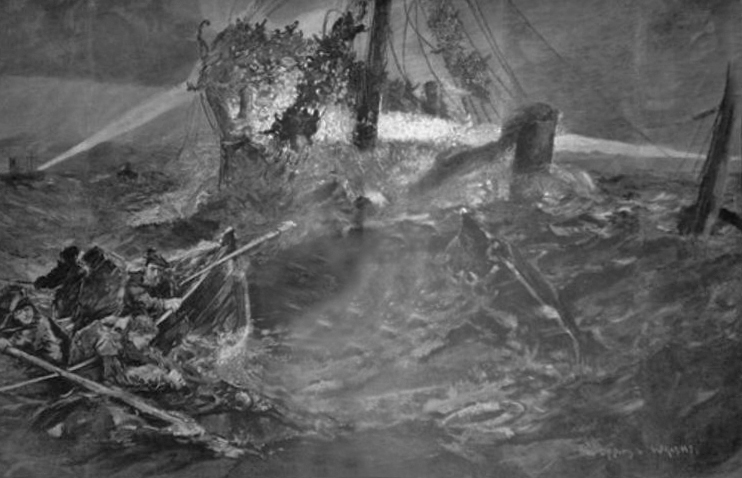
Anson, the Swedish corvette Freja, and other nearby ships immediately sent rescue teams to the site, but rough weather and a strong current made it difficult for them to approach the wreck: ‘rescuers, blinded by the wind and rain, saw nothing but a confused, struggling mass of human beings entangled with wreckage.’ Two sailors from HMS Immortalité, James Croton and George Hales, drowned attempting to rescue survivors when their boat drifted on the rocks. Search and rescue continued until 11pm. Out of 880 passengers and crew members of Utopia, there were 318 survivors: 290 steerage passengers, two first class passengers, three Italian interpreters and 23 crew members. The remaining 562 passengers and crew members of Utopia were dead or missing.
Most notable historic snippets or facts extracted from the book ‘On This Day’ first published in 1992 by Octopus Publishing Group Ltd, London, as well as additional supplementary information extracted from Wikipedia.
HAVE YOUR SAY
Like our Facebook page, follow us on Twitter and Instagram