March 20: On This Day in World History … briefly
While imprisoned in the Tower Raleigh wrote his incomplete "The Historie of the World." Using a wide array of sources in six languages, he was fully abreast of the latest continental scholarship - writing not about England, but of the ancient world with a heavy emphasis on geography. Despite his intention of providing current advice to the King of England, King James I complained that it was 'too sawcie in censuring Princes.'
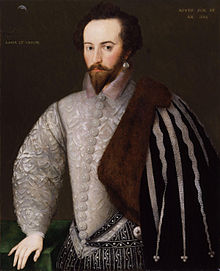
1616: Finally freed from the Tower of London after 13 years of imprisonment
Sir Walter Raleigh (also spelled Ralegh) was an English landed gentleman, writer, poet, soldier, politician, courtier, spy and explorer, cousin to Sir Richard Grenville and younger half-brother of Sir Humphrey Gilbert. He is also well known for popularising tobacco in England and was one of the most notable figures of the Elizabethan era.
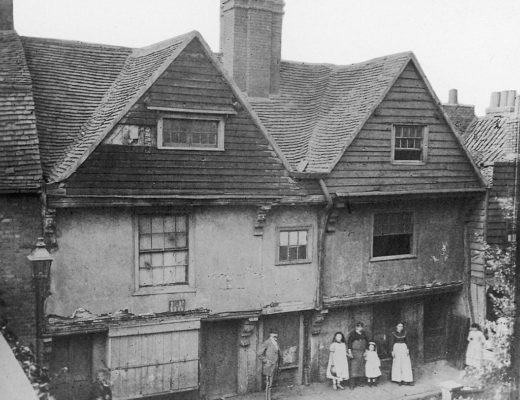
Raleigh was born to a Protestant family in Devon, the son of Walter Raleigh and Catherine Champernowne. Little is known of his early life, though he spent some time in Ireland, in Killua Castle, Clonmellon, County Westmeath, taking part in the suppression of rebellions and in the Siege of Smerwick. Later, he became a landlord of property confiscated from the native Irish, rapidly rising in the favour of Queen Elizabeth I and knighted in 1585.
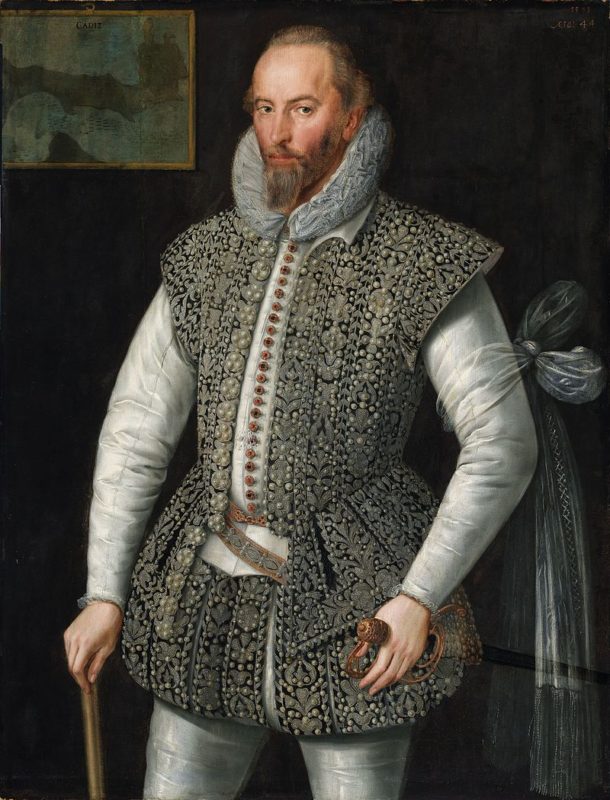
Raleigh was instrumental in the English colonisation of North America and was granted a royal patent to explore Virginia, paving the way for future English settlements. In 1591, he secretly married Elizabeth Throckmorton, one of the Queen’s ‘ladies-in-waiting’, without the Queen’s permission, for which he and his wife were sent to the Tower of London. After his release, they retired to his estate at Sherborne, Dorset.
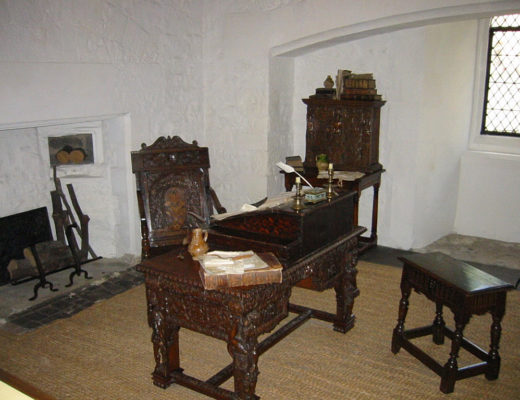
In 1594, Raleigh heard of a ‘City of Gold’ in South America and sailed to find it, publishing an exaggerated account of his experiences in a book that contributed to the legend of ‘El Dorado’. After Queen Elizabeth died in 1603, Raleigh was again imprisoned in the Tower of London, but this time for being involved in the main plot against King James I, who did not like him.
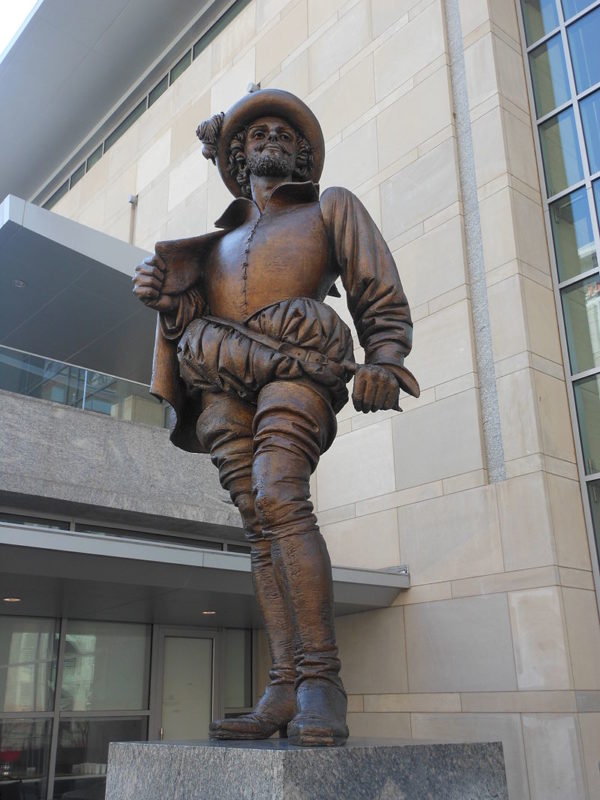
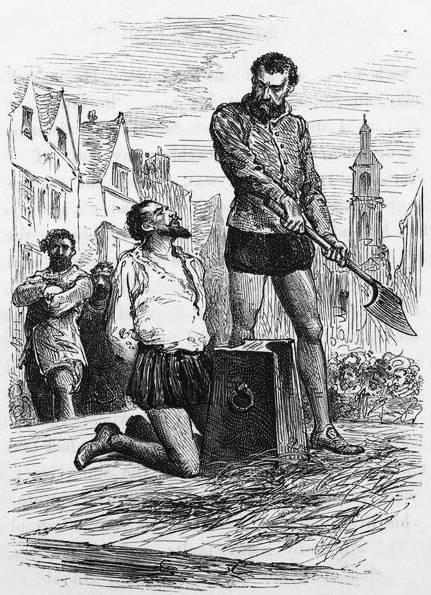
On March 20, 1616, he was released to lead a second expedition in search of El Dorado. During the expedition, men led by his top commander ransacked a Spanish outpost, in violation of both the terms of his pardon and the 1604 peace treaty with Spain. Raleigh returned to England and, to appease the Spanish, was arrested and executed in 1618.
Most notable historic snippets or facts extracted from the book ‘On This Day’ first published in 1992 by Octopus Publishing Group Ltd, London, as well as additional supplementary information extracted from Wikipedia.
HAVE YOUR SAY
Like our Facebook page, follow us on Twitter and Instagram