March 24: On This Day in World History … briefly
It has been estimated that by the start of the Qing crackdown on opium, 27 percent of the male Chinese population was addicted to opium.
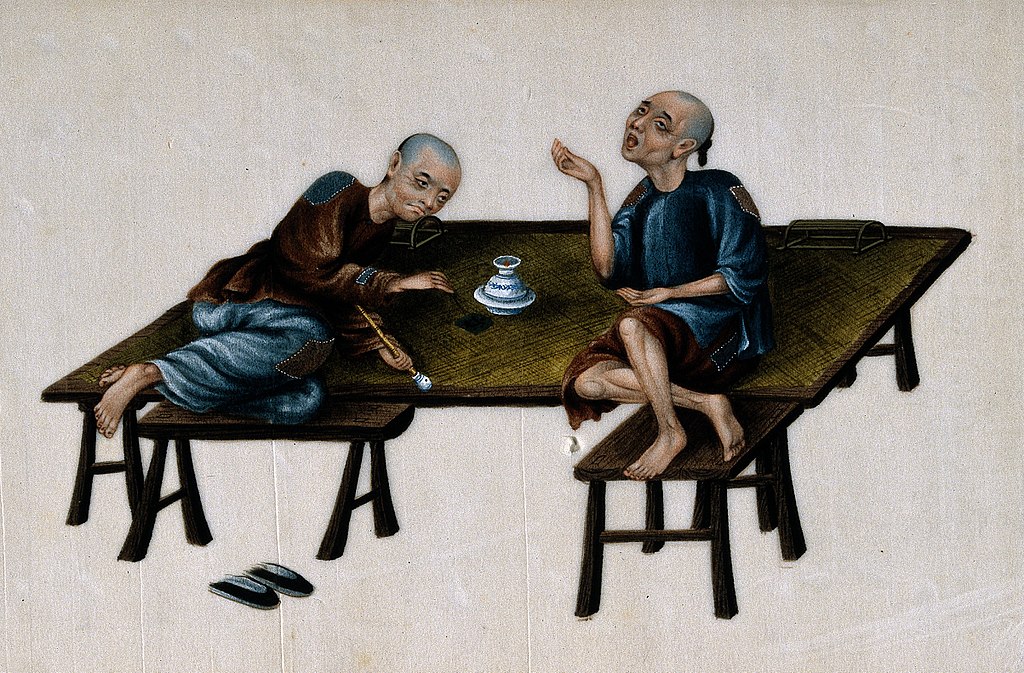
1839: ‘Lin of Clear Skies’ cracks down on opium
Chinese troops blockaded foreign traders’ warehouses in Canton as the Peking court’s struggle to suppress the opium trade moves towards outright war.
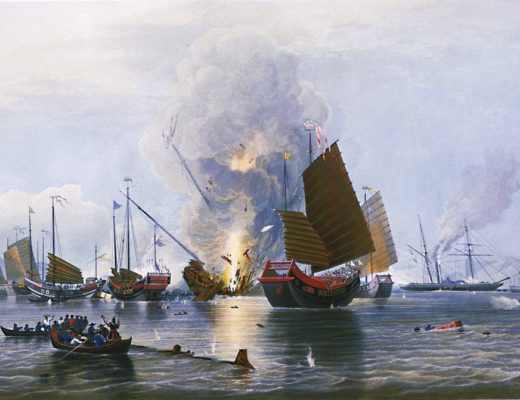
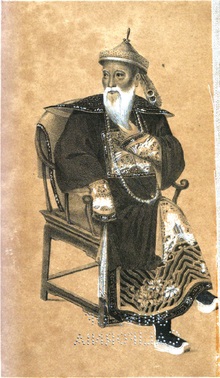
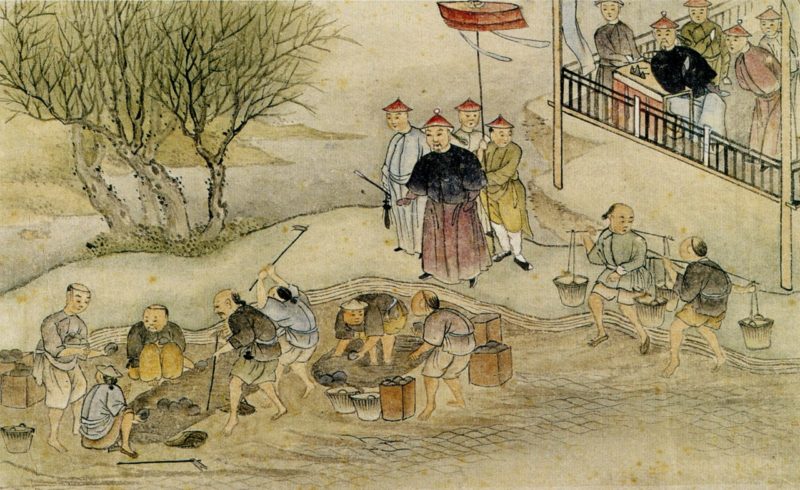
Commissioner Lin Zexu, the emperor’s special envoy, surrounded warehouses and ordered foreign merchants to give up more than 20 000 chests of the illegal drug, worth about $12 million. Merchants had little choice but to comply and the opium was destroyed.
The drug, first imported from India in the 17th century was ruining China morally and financially, but it filled the coffers of Scottish, English and American trading houses with entrepôt (a port, city, or other centre to which goods are brought for import and export and for collection and distribution) facilities at Canton.
It was a balance of addiction: the London exchequer was being drained of silver for hard-currency payments China demanded for selling its tea to the thirsty British, until merchants forced them to start accepting payment in opium – which merchants could buy very cheaply in India.
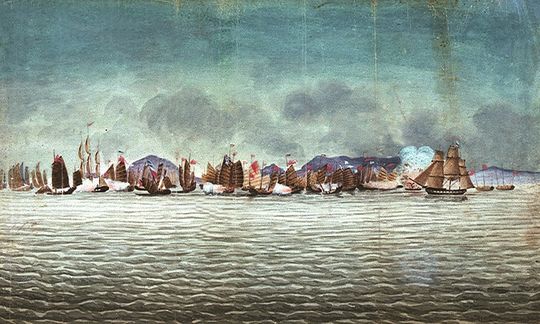
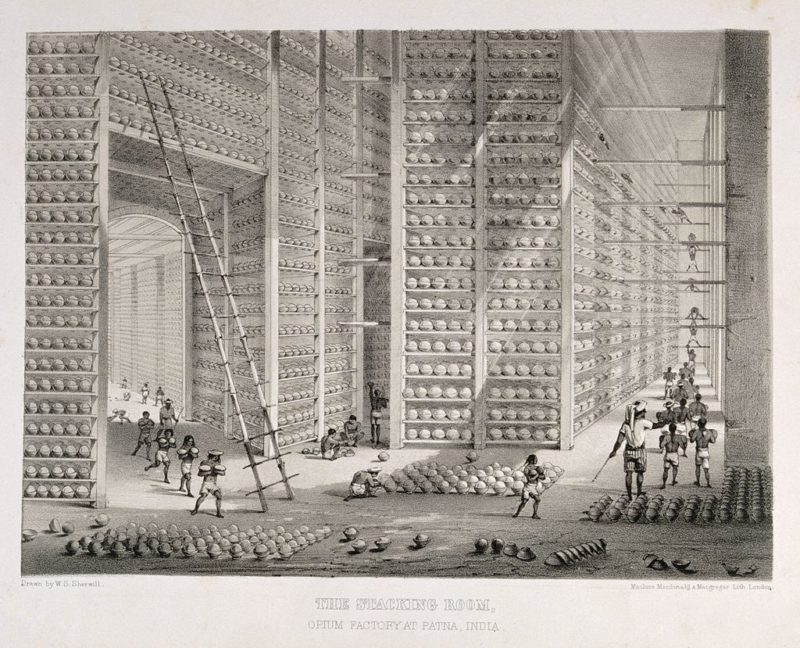
By 1838, the British were selling roughly 1,400 tons of opium per year to China. Legalization of the opium trade was the subject of ongoing debate within the Chinese administration, but a proposal to legalize the narcotic was repeatedly rejected, and in 1838 the government began to actively sentence Chinese drug traffickers to death.
Most notable historic snippets or facts extracted from the book ‘On This Day’ first published in 1992 by Octopus Publishing Group Ltd, London, as well as additional supplementary information extracted from Wikipedia.
HAVE YOUR SAY
Like our Facebook page, follow us on Twitter and Instagram