March 27: On This Day in World History … briefly
The Netherlands Department of Civil Aviation published a response saying although they accepted the KLM captain had taken off 'prematurely', they argued that he alone should not be blamed for the 'mutual misunderstanding' between the controller and the KLM crew, and that limitations of using radio as a means of communication should have been given greater consideration.
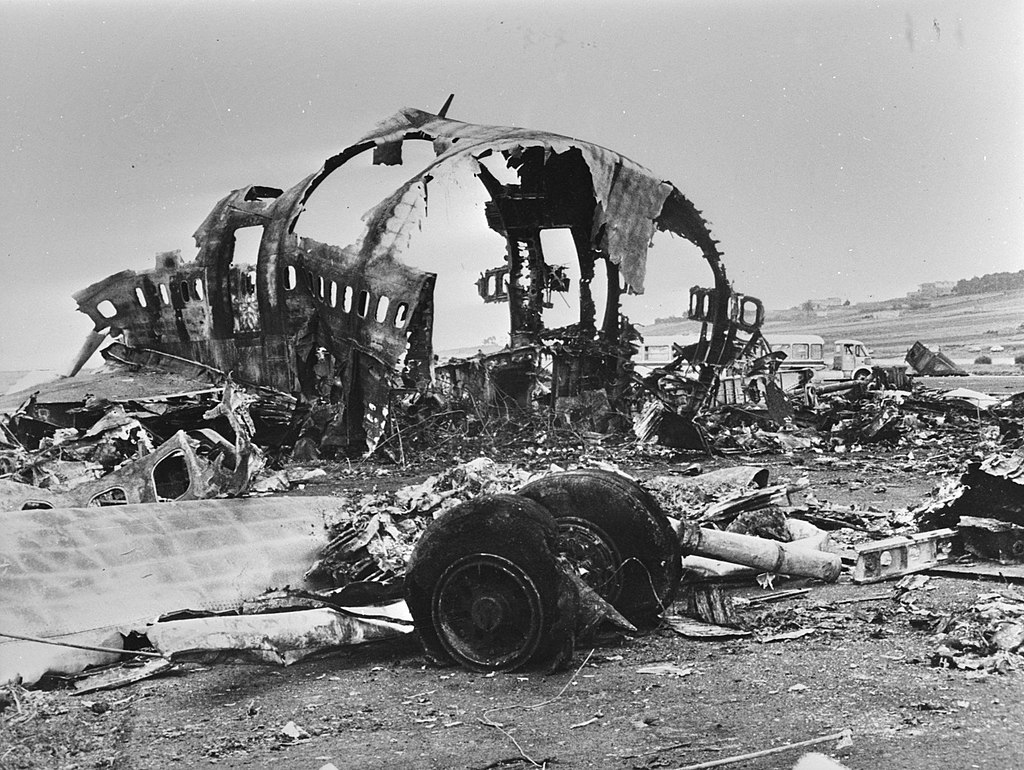
1977: Jumbo jet collision claims 583 lives
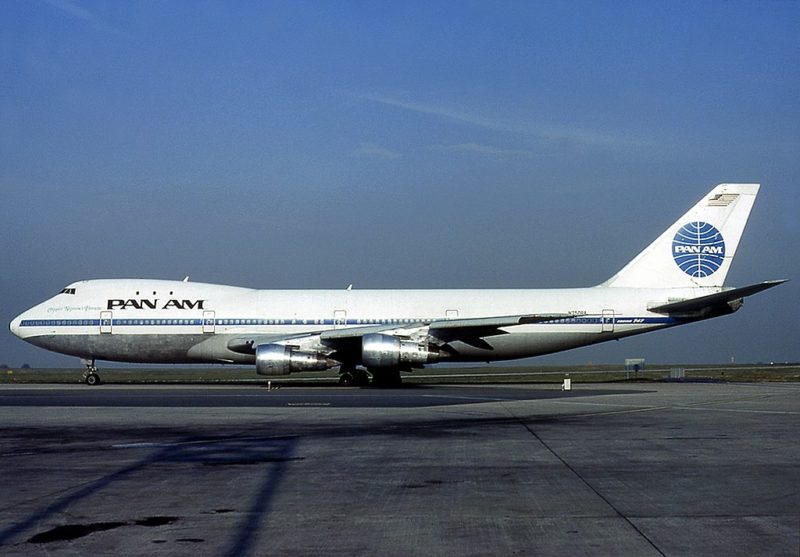
On March 27, 1977, two Boeing 747 passenger jets (KLM Flight 4805 and Pan Am Flight 1736) collided on the runway at Los Rodeos Airport (now Tenerife North Airport), on the Spanish island of Tenerife, Canary Islands, killing 583 people – making it the deadliest accident in aviation history.
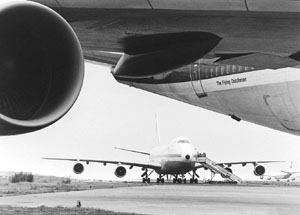
A terrorist incident at Gran Canaria Airport caused many flights to be diverted to Los Rodeos, including the two aircraft involved in the accident. The airport quickly became congested with parked airplanes blocking the only taxiway, forcing departing aircraft to taxi on the runway instead. Patches of thick fog drifting across the airfield and the aircraft and control tower were unable to see one another. The collision occurred when the KLM airliner initiated its takeoff run while the Pan Am airliner, shrouded in fog, was still on the runway and about to turn off onto the taxiway. The impact and resulting fire killed everyone on board KLM 4805 and most of the occupants of Pan Am 1736, with only 61 survivors in the front section of the aircraft.
Subsequent investigations by Spanish authorities concluded that the primary cause of the accident was the KLM captain’s decision to take off – in the mistaken belief that a takeoff clearance from air traffic control (ATC) had been issued. Dutch investigators placed a greater emphasis on mutual misunderstanding in radio communications between the KLM crew and ATC, but ultimately KLM admitted that their crew was responsible for the accident and the airline agreed to financially compensate the relatives of all of the victims. The disaster had a lasting influence on the industry – in particular highlighting the vital importance of using standardised phraseology in radio communications. Cockpit procedures were also reviewed, contributing to the establishment of crew resource management as a fundamental part of airline pilots’ training.
Facts showed that there had been misinterpretations and false assumptions before the accident. Analysis of the CVR transcript showed that the KLM pilot thought that that he had been cleared for takeoff, while the Tenerife control tower believed that the KLM 747 was stationary at the end of the runway, awaiting takeoff clearance. It appears that KLM’s co-pilot was not as certain about take-off clearance as the captain.
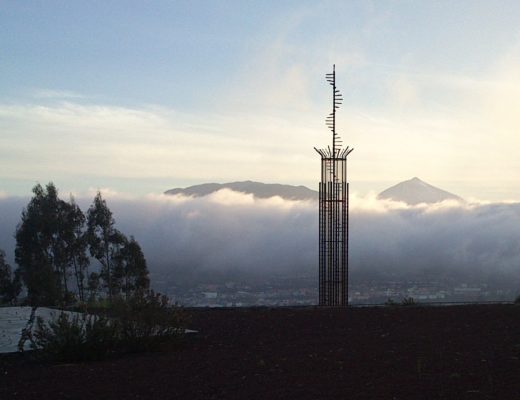
The investigation concluded that the fundamental cause of the accident was that captain Veldhuyzen van Zanten attempted to take off without clearance. The investigators suggested the reason for this was a desire to leave as soon as possible in order to comply with KLM’s duty-time regulations (which went in place earlier that year) and before the weather deteriorated further.
Most notable historic snippets or facts extracted from the book ‘On This Day’ first published in 1992 by Octopus Publishing Group Ltd, London, as well as additional supplementary information extracted from Wikipedia.
HAVE YOUR SAY
Like our Facebook page, follow us on Twitter and Instagram