March 29: On This Day in World History … briefly
Coca-Cola, 'An 'esteemed Brain Tonic and Intellectual Beverage' will cure anything from hysteria to the common cold', claimed inventor Dr John Pemberton.
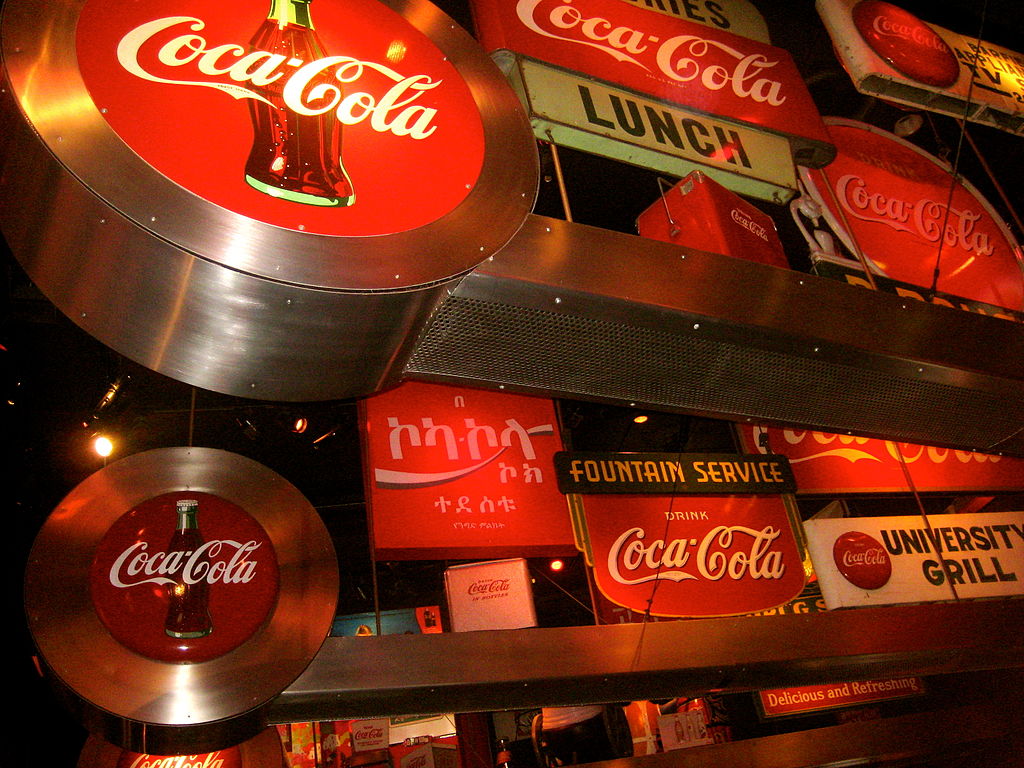
1886: First batch of ‘Tonic for the Brain’ is brewed
John Stith Pemberton was an American pharmacist best known as the inventor of Coca-Cola. In May 1886, he developed an early version of a beverage that would later become world-famous as Coca-Cola, but sold his rights to the drink shortly before his death. In April 1865, Dr Pemberton sustained a saber wound to the chest during the Battle of Columbus. He soon became addicted to the morphine used to ease his pain.
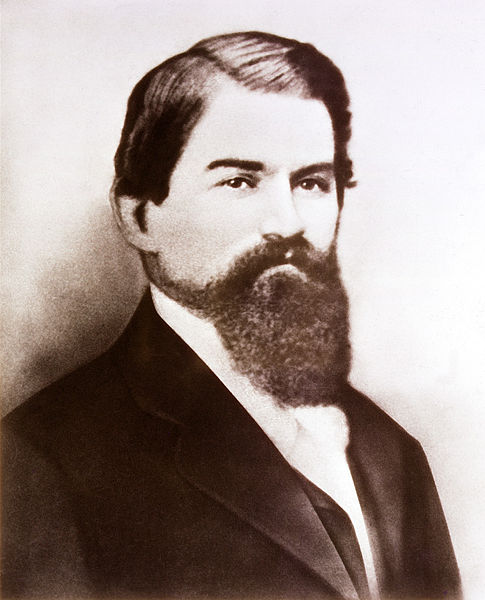
In 1866, seeking a cure for his addiction, he began to experiment with painkillers that would serve as morphine-free alternatives to morphine. His first recipe was ‘Dr Tuggle’s Compound Syrup of Globe Flower’, in which the active ingredient was derived from the buttonbush, a toxic plant common in Alaska. He next began experimenting with coca and coca wines, eventually creating a recipe that contained extracts of kola nut and damiana, which he called Pemberton’s French Wine Coca. According to Coca-Cola historian Phil Mooney, Pemberton’s world-famous soda was ‘created in Columbus, Georgia and carried to Atlanta’. With public concern about drug addiction, depression and alcoholism among war veterans, and ‘neurasthenia’ among ‘highly-strung’ Southern women, Pemberton’s ‘medicine’ was advertised as particularly beneficial for ‘women, and all those whose sedentary employment causes nervous prostration”.
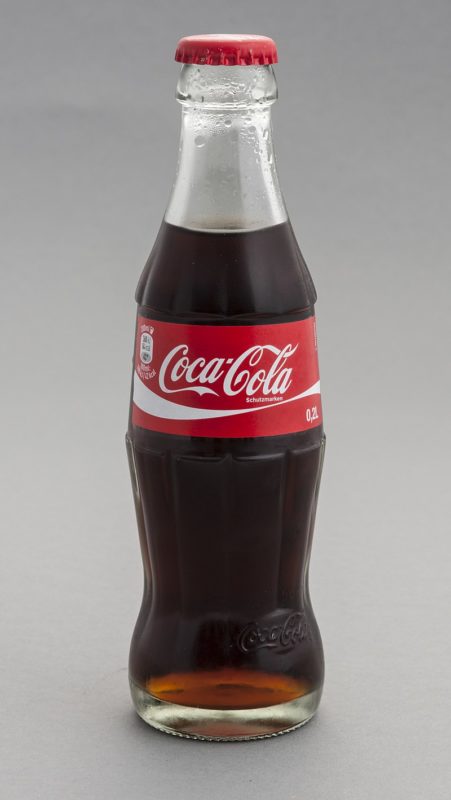
In 1886, when Atlanta and Fulton County enacted temperance legislation, Pemberton had to produce a non-alcoholic alternative to his French Wine Coca. Pemberton relied on Atlanta drugstore owner-proprietor Willis E Venable to test, and help him perfect the recipe for the beverage, which he formulated by trial and error. With Venable’s help, Pemberton worked out a set of directions for its preparation. He blended the base syrup with carbonated water by accident when trying to make another glassful of the beverage. Pemberton decided then to sell this as a fountain drink rather than a medicine. Frank Mason Robinson came up with the name ‘Coca-Cola’ for the alliterative sound, which was popular among other wine medicines of the time. Although the name refers to the two main ingredients, because of controversy over its cocaine content, The Coca-Cola Company later said that the name was ‘meaningless but fanciful’. Robinson hand wrote the Spencerian script on the bottles and ads. Pemberton made many health claims for his product, touting it as a ‘valuable brain tonic’ that would cure headaches, relieve exhaustion, and calm nerves, and marketed it as ‘delicious, refreshing, pure joy, exhilarating and invigorating’.
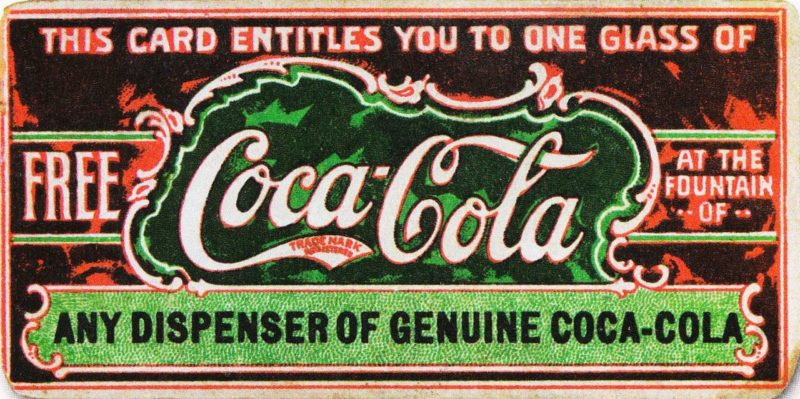
Soon after Coca-Cola hit the market, Dr Pemberton fell ill and bankrupt. Sick and desperate, he began selling rights to his formula to business partners in Atlanta. Part of his motivation to sell was that he still suffered from an expensive continuing morphine addiction. Pemberton had a hunch that his formula would ‘some day will be a national drink’, so he attempted to retain a share of the ownership to leave to his son. However, Pemberton’s son wanted the money, so in 1888, he and his son sold the remaining portion of the patent to fellow Atlanta pharmacist Asa Griggs Candler for US$1 750.
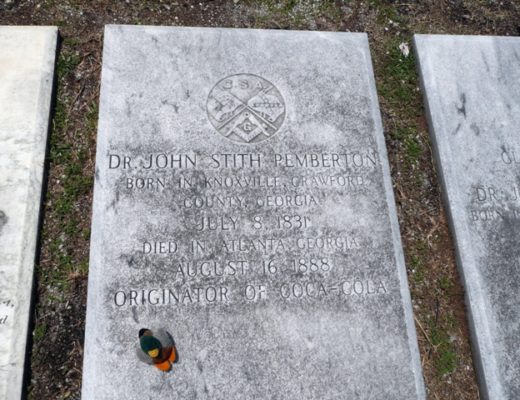
Dr Pemberton died from stomach cancer at age 57 in August 1888. At the time of his death, he also suffered from poverty and addiction to morphine. His body was returned to Columbus, Georgia, where he was buried at Linwood Cemetery. His grave marker is engraved with symbols showing his service in the Confederate Army and his membership as a Freemason. His son Charley continued to sell his father’s formula, but six years later Charles Pemberton died after having become an opium addict
Most notable historic snippets or facts extracted from the book ‘On This Day’ first published in 1992 by Octopus Publishing Group Ltd, London, as well as additional supplementary information extracted from Wikipedia.
HAVE YOUR SAY
Like our Facebook page, follow us on Twitter and Instagram