April 3: On This Day in World History … briefly
James's turn to crime after the end of the Reconstruction era helped cement his place in American life and memory as a simple but remarkably effective bandit. After 1873 he was covered by the national media as part of social banditry.
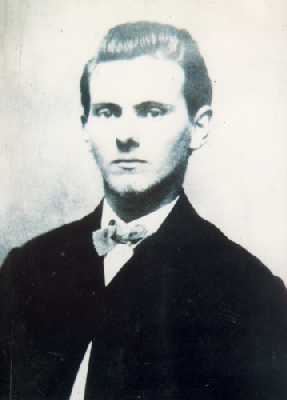
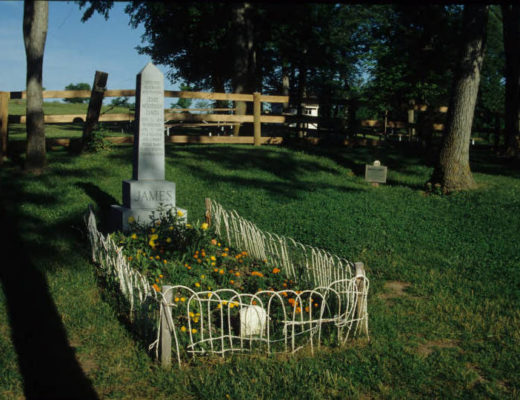
1882: Jesse James bites the dust
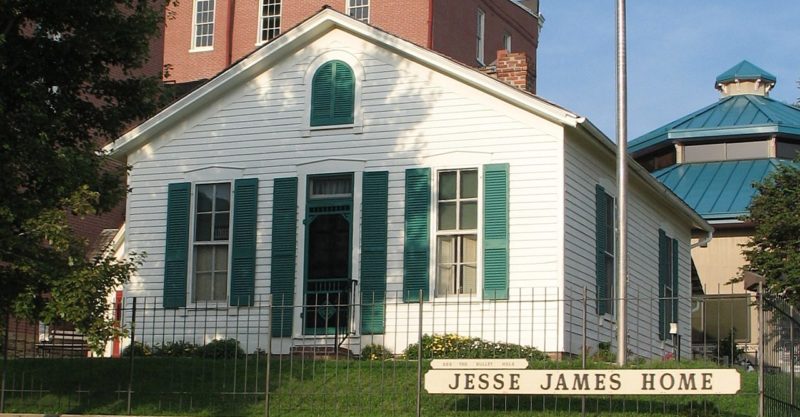
Notorious outlaw Jesse James, head of the James Gang and mastermind of countless bank and train robberies was gunned down at his home in St Joseph, Missouri. Neighbours were shocked to learn that the man they knew as Thomas Howard had a $10 000 price tag on his head.
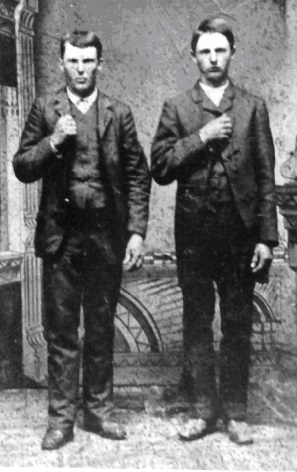
The James brothers joined with Cole Younger and his brothers John, Jim, and Bob, as well as Clell Miller and other former Confederates, to form what came to be known as the James–Younger Gang. With Jesse James as the most public face of the gang (though with operational leadership likely shared among the group), the gang carried out a string of robberies from Iowa to Texas, and from Kansas to West Virginia. They robbed banks, stagecoaches and a fair in Kansas City, often carrying out their crimes in front of crowds, and even hamming it up for the bystanders.
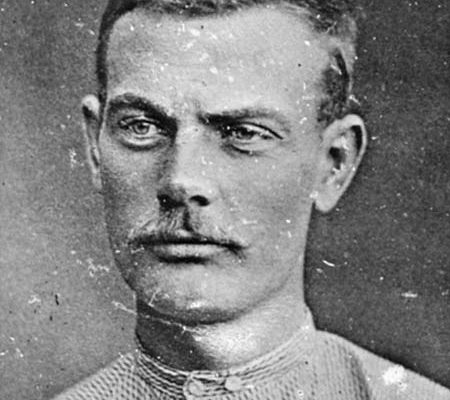
On July 21, 1873, they turned to train robbery, derailing a Rock Island Line train west of Adair, Iowa and stealing approximately $3 000 (equivalent to $63 000 in 2018). For this, they wore Ku Klux Klan masks. By this time, the Klan had been suppressed in the South by President Grant’s use of the Enforcement Acts. Former rebels attacked the railroads as symbols of threatening centralisation.
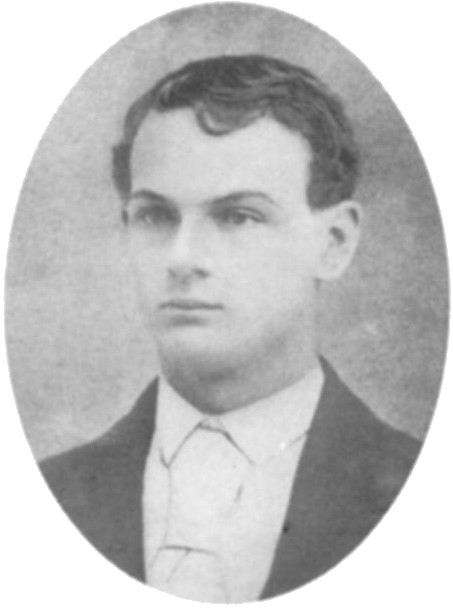
The gang’s later train robberies had a lighter touch. The gang held up passengers only twice, choosing in all other incidents to take only the contents of the express safe in the baggage car.
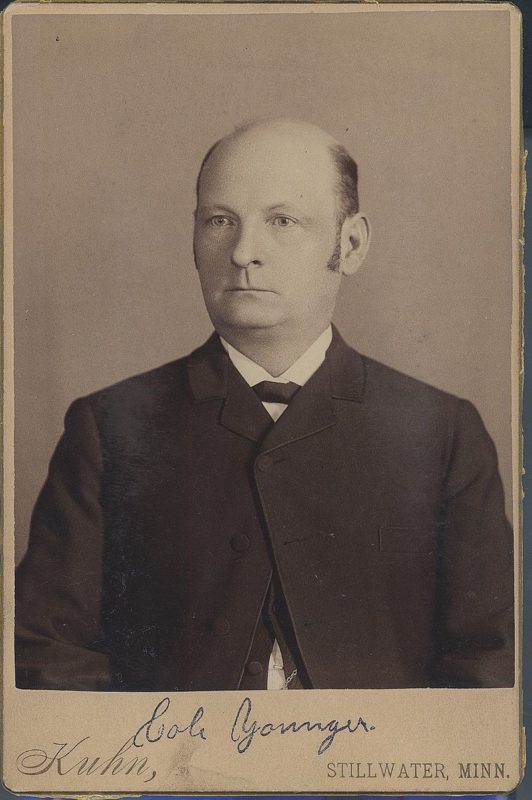
John Newman Edwards made sure to highlight such techniques when creating an image of James as a kind of Robin Hood. Despite public sentiment toward the gang’s crimes, there is no evidence that the James gang ever shared any of the robbery money outside their personal circle.
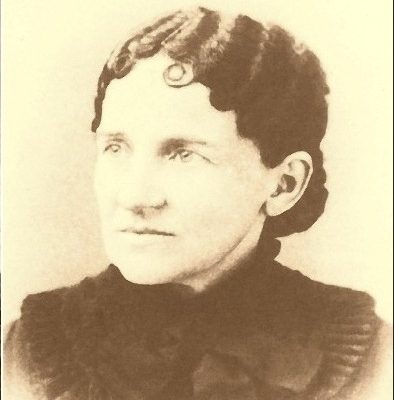
Jesse and his cousin Zee married on April 24, 1874. They had two children who survived to adulthood: Jesse Edward James (born 1875) and Mary Susan James (later Barr, born 1879). Twins Gould and Montgomery James born in 1878 died in infancy. Jesse Jr became a lawyer who practiced in Kansas City, Missouri and Los Angeles, California.
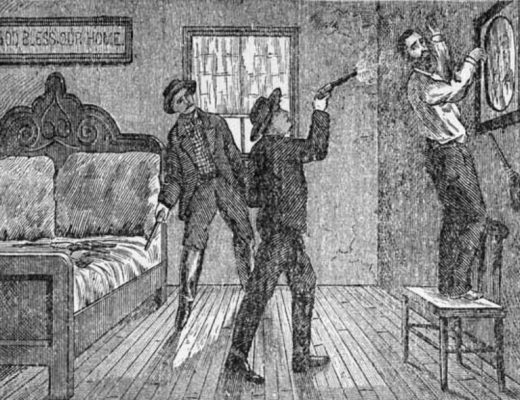
James met his end at the hands of a new recruit to the gang, Bob Ford, who was staying with James, his wife and two children. Ford allegedly shot James in the back of the head as he stood on a chair to straighten a picture. James’s 20-year life of crime began at the end of the Civil War after an apprenticeship with the pro-Confederate band of guerrilla fighters led by William Quantrill.
After the war, James and his brother Frank founded their own gang, but in 1876 an attempted bank raid in Northfield, Minnesota, went wrong and the gang was decimated. James re-formed the gang, but it never achieved the same success.
Most notable historic snippets or facts extracted from the book ‘On This Day’ first published in 1992 by Octopus Publishing Group Ltd, London, as well as additional supplementary information extracted from Wikipedia.
HAVE YOUR SAY
Like our Facebook page, follow us on Twitter and Instagram