April 5: On This Day in World History … briefly
Churchill's legacy continues to stir intense debate among writers and historians. According to Allen Packwood, director of the Churchill Archives Centre, even during his own lifetime Churchill was an 'incredibly complex, contradictory and larger-than-life human being,' who frequently wrestled with those contradictions.
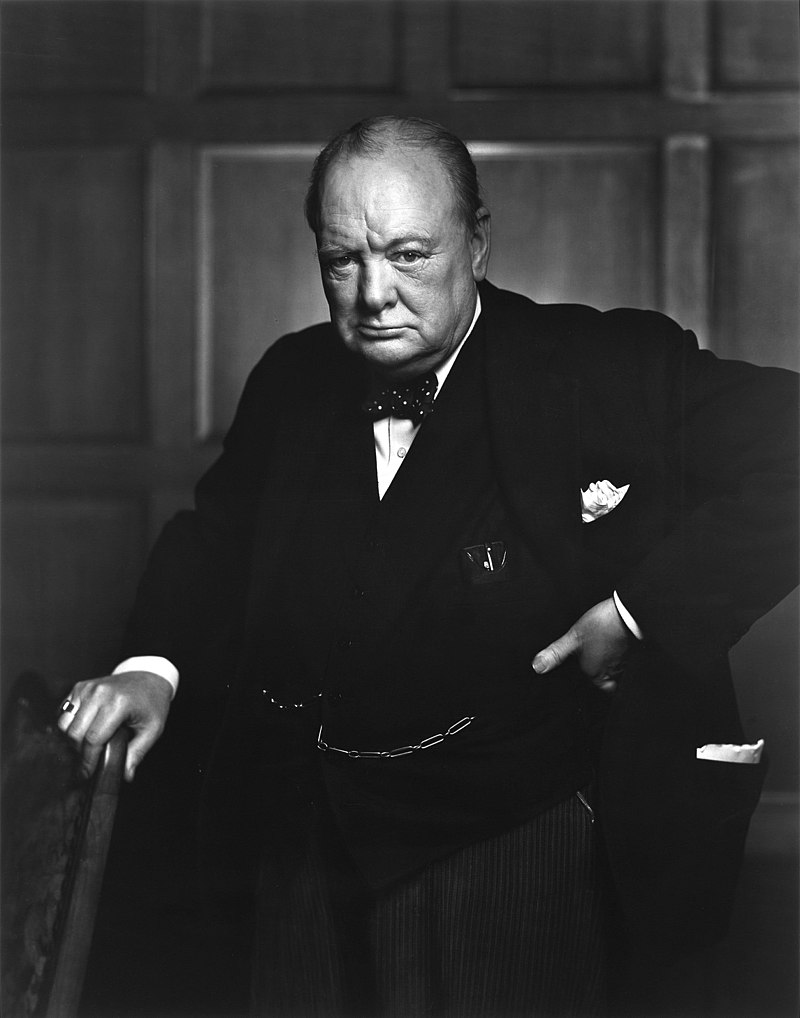
1955: End of an era as Churchill resigns
An era in British politics came to an end as Prime Minister Sir Winston Churchill announced his resignation. Passing the Conservative torch to his successor Foreign Secretary Sir Anthony Eden was not unexpected, as Sir Winston had suffered a crippling stroke in 1953 which had taken its toll on the 80-year old prime minister.
With characteristic candour, Sir Winston said he ‘was too old to hold the reins of government’.
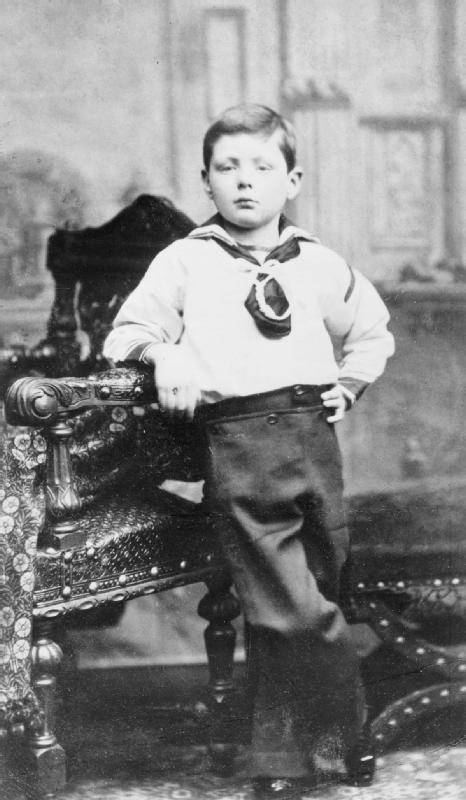
Out of office during the 1930s, Churchill took the lead in calling for British rearmament to counter the growing threat from Nazi Germany. At the outbreak of the Second World War, he was reappointed First Lord of the Admiralty before replacing Prime Minister Neville Chamberlain in 1940.
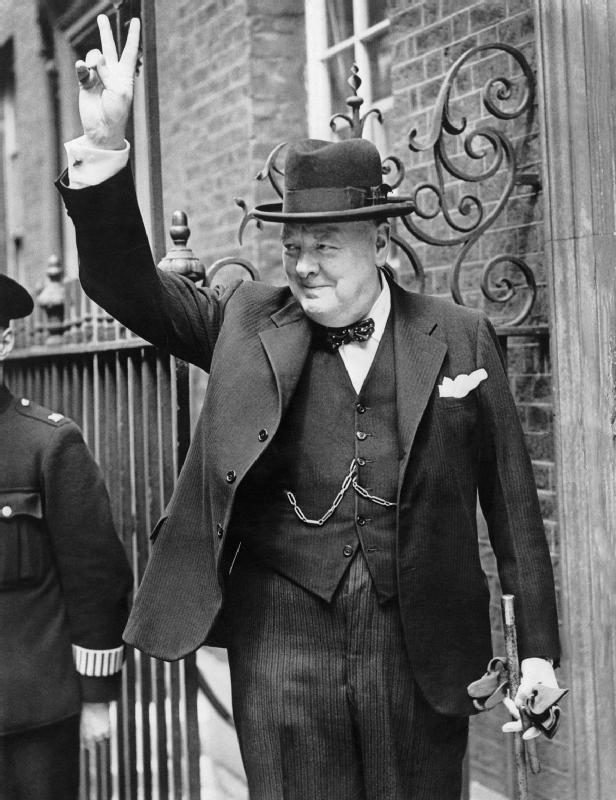
Churchill oversaw British involvement in the Allied war effort against Germany and the Axis powers, resulting in victory in 1945. His wartime leadership was widely praised, although acts like the Bombing of Dresden and his wartime response to the Bengal famine generated controversy. After the Conservatives’ defeat in the 1945 general election, he became Leader of the Opposition.
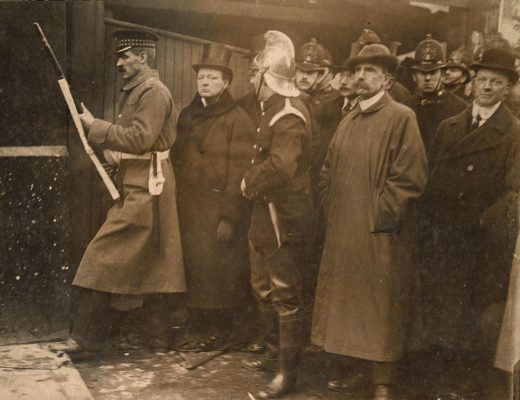
Amid the developing Cold War with the Soviet Union, he publicly warned of an ‘iron curtain’ of Soviet influence in Europe and promoted European unity. Re-elected Prime Minister in 1951, his second term was preoccupied with foreign affairs, including the Malayan Emergency, Mau Mau Uprising, Korean War, and a UK-backed Iranian coup.
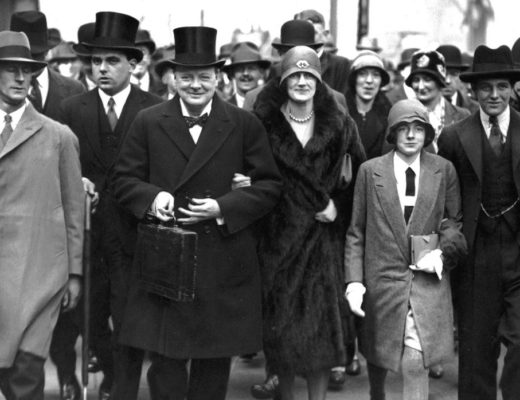
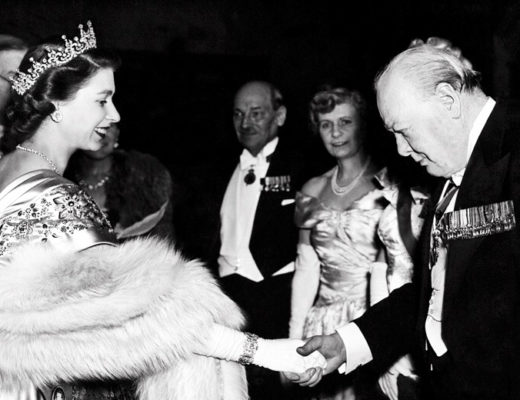
Domestically his government emphasised house-building and developed a nuclear weapon. In declining health, Churchill resigned as prime minister in 1955, although he remained an MP until 1964. Upon his death in 1965, he was given a state funeral.
Most notable historic snippets or facts extracted from the book ‘On This Day’ first published in 1992 by Octopus Publishing Group Ltd, London, as well as additional supplementary information extracted from Wikipedia.
HAVE YOUR SAY
Like our Facebook page, follow us on Twitter and Instagram