April 7: On This Day in World History … briefly
"Jim was so smooth, he was so clean, he drove with such finesse. He never bullied a racing car, he sort of caressed it into doing the things he wanted it to do." Sir Jackie Stewart.

1968: Motor ace dies in crash
British world racing champion Jim Clark is killed when his Lotus hurtled out of control at an estimated 120mph (192kph) during the first race of the Formula Two championship in Hockenheim, Germany. Clark (32) had a record 25 Grand Prix wins.
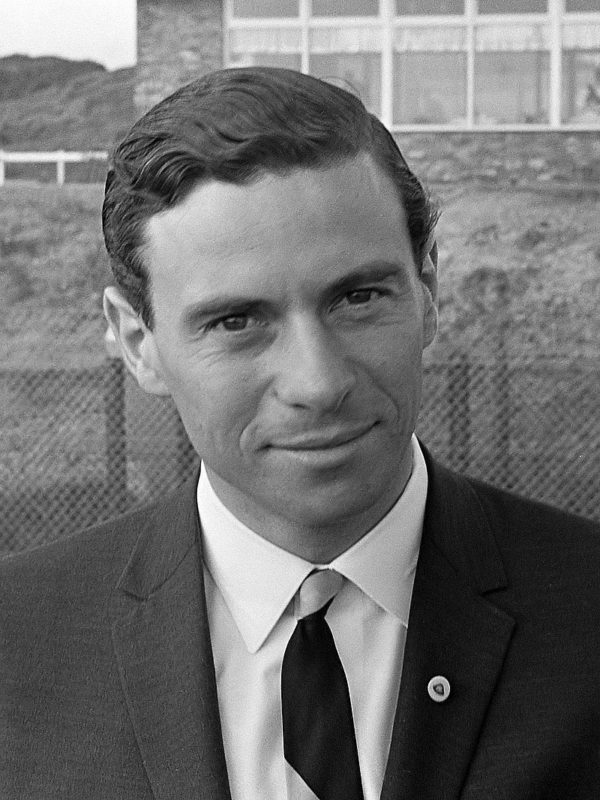
Clark achieved 33 pole positions and won 25 races from his 72 Grands Prix starts in championship races. He is remembered for his ability to drive and win in all types of cars and series, including a Lotus-Cortina, with which he won the 1964 British Touring Car Championship; IndyCar; Rallying, where he took part in the 1966 RAC Rally of Great Britain in a Lotus Cortina; and sports cars. He competed in the Le Mans 24 Hour race in 1959, 1960 and 1961, finishing second in class in 1959 driving a Lotus Elite, and finishing third overall in 1960, driving an Aston Martin DBR1.
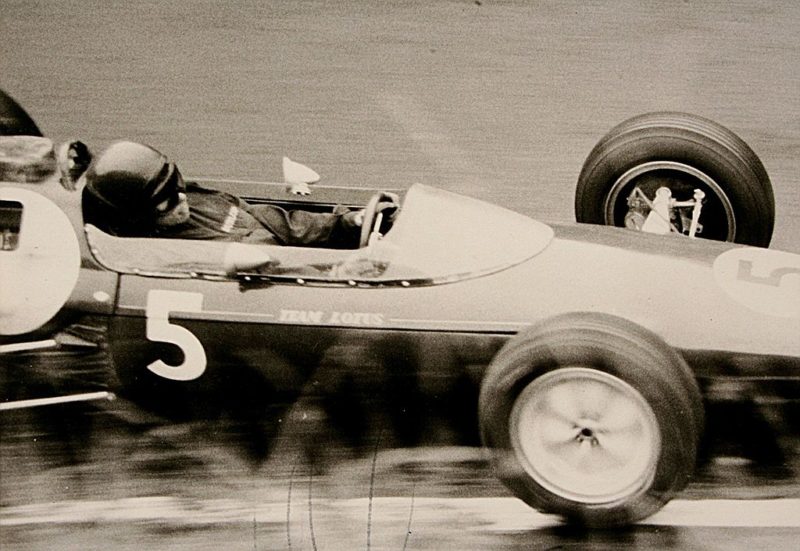
He took part in a NASCAR event, driving a 7-litre Holman Moody Ford at the American 500 at the banked speedway at Rockingham on October 29, 1967. He was also able to master difficult Lotus sportscar prototypes such as the Lotus 30 and 40. Clark had an uncanny ability to adapt to whichever car he was driving. Whilst other drivers would struggle to find a good car setup, Clark would usually set competitive lap times with whatever setup was provided and ask for the car to be left as it was.
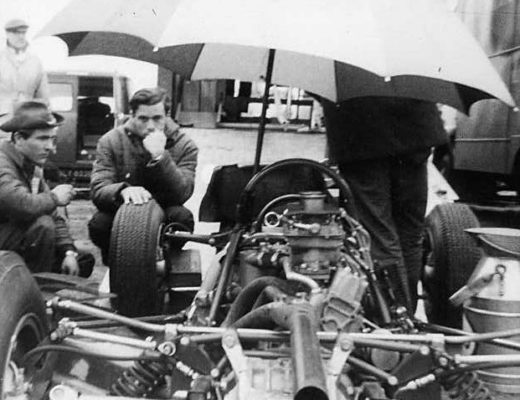
On April 7, 1968, Clark died in a racing accident at the Hockenheimring in West Germany. He was originally slated to drive in the BOAC 1000 km sportscar race at Brands Hatch, but instead chose to drive in the Deutschland Trophäe, a Formula Two race, for Lotus at the Hockenheimring, primarily due to contractual obligations with Firestone. Although the race has sometimes been characterised as a ‘minor race meeting’ the entry list was impressive with top-running Matras for the French drivers Jean-Pierre Beltoise and Henri Pescarolo, Tecnos for Carlo Facetti and Clay Regazzoni, Team Brabhams for Derek Bell and Piers Courage, a Ferrari for Chris Amon and McLarens for Graeme Lawrence and Robin Widdows.
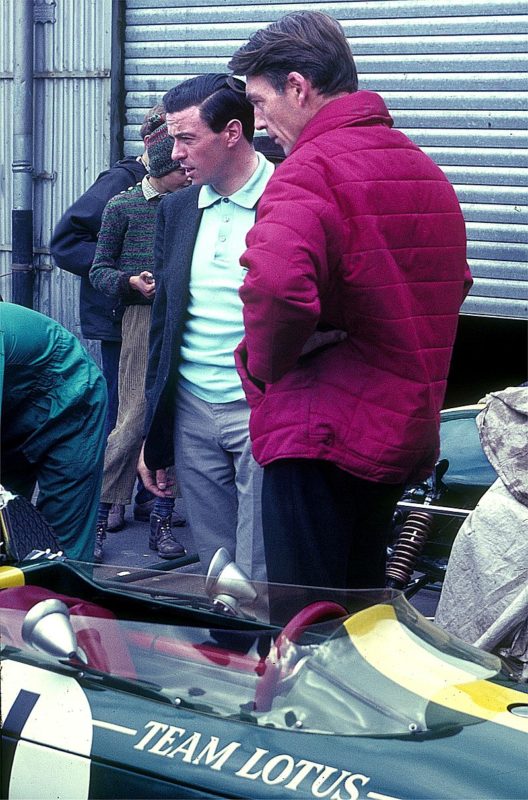
Team Lotus drivers Graham Hill and Clark were in Gold Leaf Team Lotuses and a young Max Mosley was also in the race, moving up from the Clubman series. The event was run in two heats. On the fifth lap of the first heat, Clark’s Lotus 48 veered off the track and crashed into the trees. He suffered a broken neck and skull fracture, and died before reaching the hospital. The cause of the crash was never definitively identified, but investigators concluded it was most likely due to a deflating rear tyre.
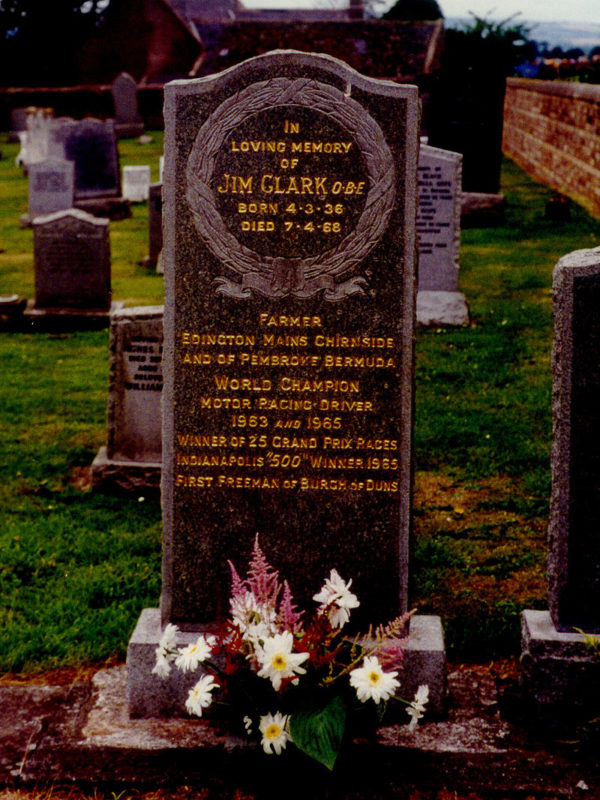
Clark’s death affected the racing community terribly, with fellow Formula One drivers and close friends Graham Hill, Jackie Stewart, Dan Gurney, John Surtees, Chris Amon and Jack Brabham all being personally affected by the tragedy. People came from all over the world to Clark’s funeral. Colin Chapman was devastated and publicly stated that he had lost his best friend. The 1968 F1 Drivers’ Championship was subsequently won by his Lotus teammate Graham Hill, who pulled the heartbroken team together and held off Jackie Stewart for the crown, which he later dedicated to Clark.
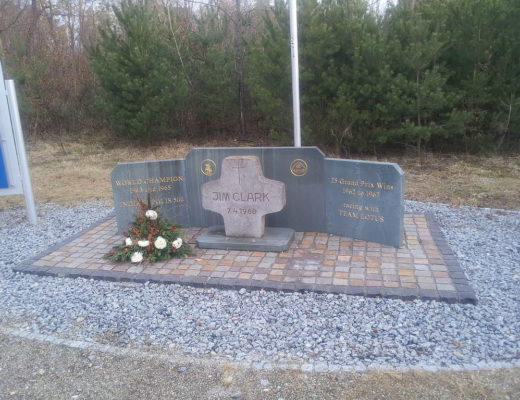
There have been many stories about the tyres on Jim Clark’s car lasting four races. This is true, but also the brake pads lasted three times longer than those any other driver. Derek Wild used to say that you could put all the gearboxes on the bench in front of him in random order and he could tell which gearbox came out of Jim’s car as it showed less signs of wear. The point is that the standard of preparation was no different between Jim’s car and the number two car. It was just that the man was very ‘soft’ on his car and so he tended to last the race distance as a result – Cedric Selzer.
Most notable historic snippets or facts extracted from the book ‘On This Day’ first published in 1992 by Octopus Publishing Group Ltd, London, as well as additional supplementary information extracted from Wikipedia.
HAVE YOUR SAY