September 9: On This Day in World History … briefly
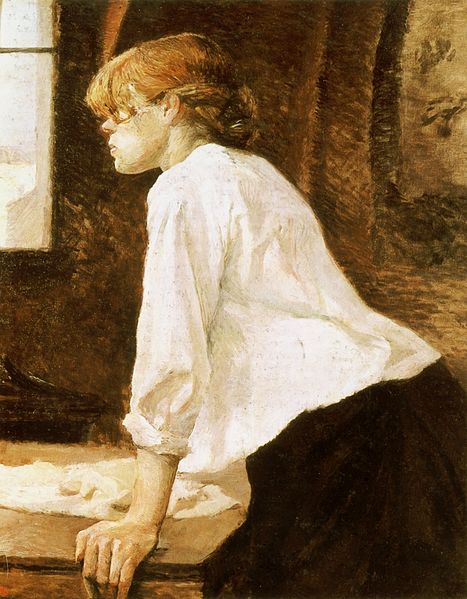
In a 2005 auction at Christie's auction house, La Blanchisseuse, his early painting of a young laundress sold for US$22.4 million and set a new record for the artist for a price at auction.
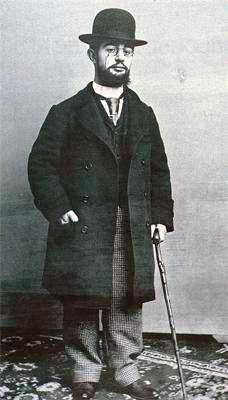
1901: Stunted artist felled by low life he painted
Henri de Toulouse-Lautrec, post-impressionist artist and chronicler of Paris low-life died following a paralytic stroke brought on by syphilis and alcoholism. He was 36. Toulouse-Lautrec was a master draftsman and observer. Born an aristocrat, he smashed both thighs in different incidents when he was 13 and 14 and bone disease left him horribly stunted.
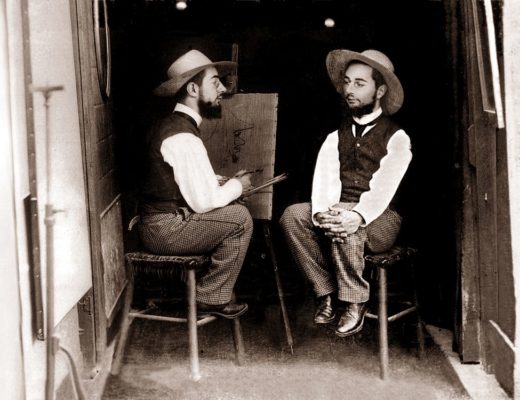
The young Toulouse-Lautrec haunted the Montmartre red-light district in Paris and produced stylish art nouveau posters for nightclubs and performers, and charming, if cynical, paintings of his friends, the Montmartre prostitutes. Toulouse-Lautrec’s parents, the Comte and Comtesse, were first cousins (his grandmothers were sisters), and he had congenital health conditions sometimes attributed to a family history of inbreeding.
At the age of 13, Toulouse-Lautrec fractured his right femur. At 14, he fractured his left. The breaks did not heal properly. Modern physicians attribute this to an unknown genetic disorder, possibly pycnodysostosis (sometimes known as Toulouse-Lautrec Syndrome), or a variant disorder along the lines of osteopetrosis, achondroplasia, or osteogenesis imperfecta. Rickets aggravated by praecox virilism has also been suggested. Afterwards, his legs ceased to grow, so that as an adult he was extremely short (1.42m or 4ft 8in). He developed an adult-sized torso, while retaining his child-sized legs. Additionally, he is reported to have had hypertrophied genitals.
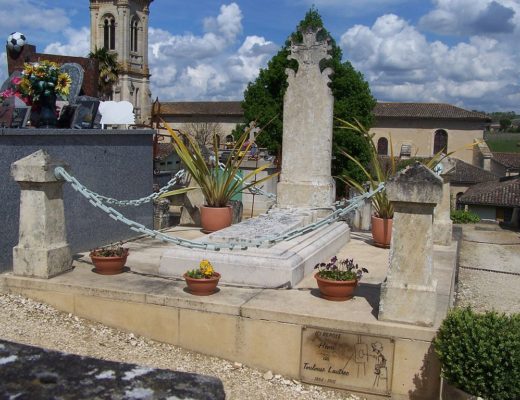
On September 9, 1901, at the age of 36, he died from complications due to alcoholism and syphilis at his mother’s estate, Château Malromé in Saint-André-du-Bois. He is buried in Cimetière de Verdelais, Gironde, a few kilometres from the estate. His last words reportedly were ‘Le vieux con!’ (‘the old fool’), his goodbye to his father, though another version has been suggested, in which he used the word ‘hallali’, a term used by huntsmen at the moment the hounds kill their prey: ‘Je savais, Papa, que vous ne manqueriez pas l’hallali’ (‘I knew, papa, that you wouldn’t miss the death.’)
Most notable historic snippets or facts extracted from the book ‘On This Day’ first published in 1992 by Octopus Publishing Group Ltd, London, as well as additional supplementary information extracted from Wikipedia.
HAVE YOUR SAY
Like the South Coast Herald’s Facebook page, follow us on Twitter and Instagram
To receive our FREE email newsletter, click HERE