October 3: On This Day in World History … briefly
Although 10 men died during the course of the hunger strike, 13 others began refusing food but were taken off hunger strike, either due to medical reasons or after intervention by their families. Many of them still suffer from the effects of the strike, with problems including digestive, visual, physical and neurological disabilities.
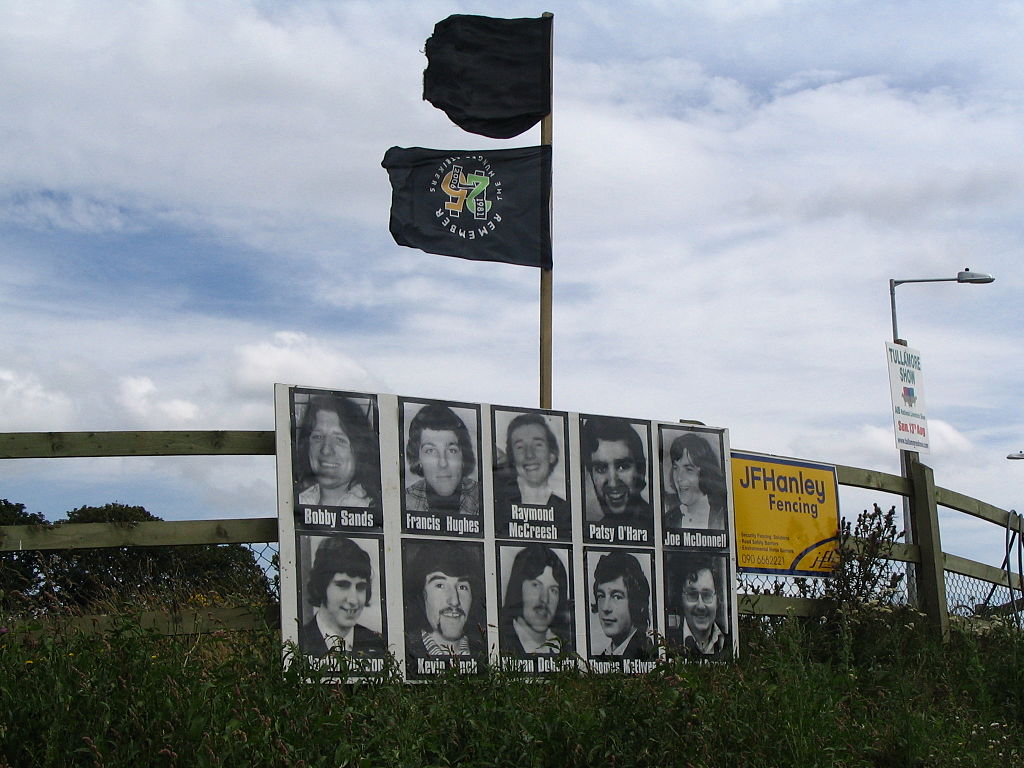
1981: Hunger strike in Northern Ireland ends after seven months and ten deaths
The 1981 Irish hunger strike was the culmination of a five-year protest during The Troubles by Irish republican prisoners in Northern Ireland. The protest began as the blanket protest in 1976, when the British government withdrew Special Category Status for convicted paramilitary prisoners. In 1978, the dispute escalated into the dirty protest, where prisoners refused to leave their cells to wash and covered the walls of their cells with excrement. In 1980, seven prisoners participated in the first hunger strike, which ended after 53 days.
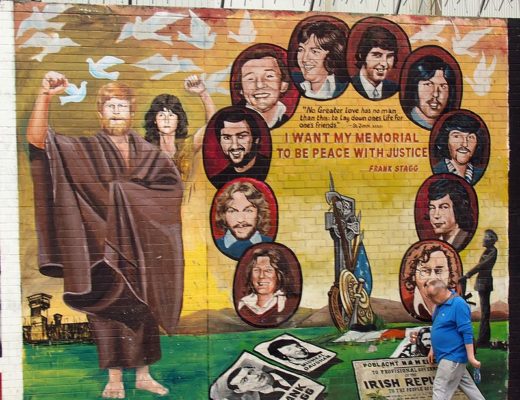
The second hunger strike took place in 1981 and was a showdown between the prisoners and the British Prime Minister, Margaret Thatcher. One hunger striker, Bobby Sands, was elected as a member of parliament during the strike, prompting media interest from around the world.
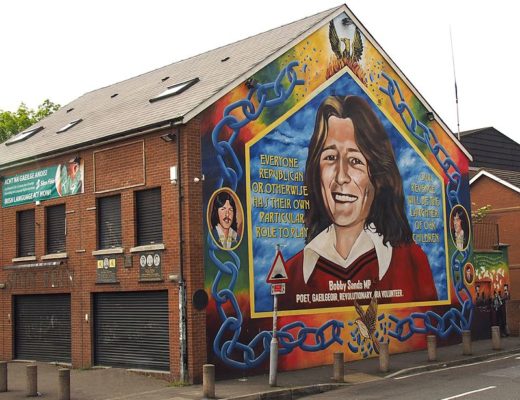
The strike was called off after ten prisoners had starved themselves to death – including Sands, whose funeral was attended by 100 000 people. The strike radicalised Irish nationalist politics, and was the driving force that enabled Sinn Féin to become a mainstream political party
Most notable historic snippets or facts extracted from the book ‘On This Day’ first published in 1992 by Octopus Publishing Group Ltd, London, as well as additional supplementary information extracted from Wikipedia.
HAVE YOUR SAY
Like the South Coast Herald’s Facebook page, follow us on Twitter and Instagram
To receive our FREE email newsletter, click HERE