October 5: On This Day in World History … briefly
The title Monty Python's Flying Circus was partly the result of the group's reputation at the BBC. Michael Mills, the BBC's Head of Comedy, wanted their name to include the word 'circus' because the BBC referred to the six members wandering around the building as a circus, in particular, 'Baron Von Took's Circus', after Barry Took, who had brought them to the BBC.
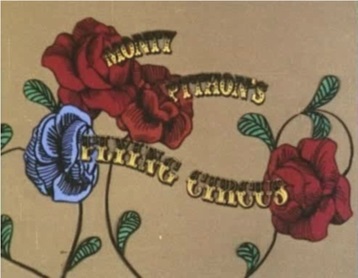
1969: Flying Circus ready for take-off
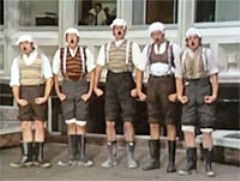
Monty Python’s Flying Circus is a British surreal sketch comedy series created by and starring the comedy group Monty Python. The first episode was recorded at the BBC on September 7 and premiered on October 5, 1969 on BBC1, with 45 episodes airing over four series from 1969 to 1974, plus two episodes for German TV. The series stands out for its use of absurd situations, mixed with risqué and innuendo-laden humour, sight gags and observational sketches without punchlines. Live action segments were broken up with animations by group member Terry Gilliam, often merging with the live action to form segues. The overall format used for the series followed and elaborated upon the style used by Spike Milligan in his ground breaking series Q5, rather than the traditional sketch show format. The six troupe members, or ‘Pythons’, play the majority of the series characters themselves, including the majority of the female characters, with a small team of regular supporting cast members, including Carol Cleveland (referred to by the team as the unofficial ‘Seventh Python’), Connie Booth (Cleese’s first wife), series producer Ian MacNaughton, Ian Davidson, musician Neil Innes (in the fourth series), and Fred Tomlinson and the Fred Tomlinson Singers (for musical numbers).
Much of the humour in the series’s various episodes and sketches targets the idiosyncrasies of British life, especially that of professionals, as well as aspects of politics. The Monty Python troupe was highly educated; Terry Jones and Michael Palin are Oxford University graduates; Eric Idle, John Cleese and Graham Chapman attended Cambridge University; and American-born member Terry Gilliam graduated from Occidental College. Their comedy is often pointedly intellectual, with numerous erudite references to philosophers and literary figures and their works. The team intended their humour to be impossible to categorise, and succeeded (although, by their perspective, failed) so completely that the adjective ‘Pythonesque’ was invented to define it and, later, similar material. The opening titles of the series features as theme music the Band of the Grenadier Guards’ rendition of John Philip Sousa’s ‘The Liberty Bell’ which was first published in 1893. Under the Berne Convention’s ‘country of origin’ concept, the composition was subject to United States copyright law which states that any works first published prior to 1923 was in the public domain due to copyright expiration. This enabled Gilliam to co-opt the march for the series without having to make any royalty payments.
Most notable historic snippets or facts extracted from the book ‘On This Day’ first published in 1992 by Octopus Publishing Group Ltd, London, as well as additional supplementary information extracted from Wikipedia.
HAVE YOUR SAY
Like the South Coast Herald’s Facebook page, follow us on Twitter and Instagram
To receive our FREE email newsletter, click HERE