October 6: On This Day in World History … briefly
The exoplanet's discovery was announced on October 6, 1995, by Michel Mayor and Didier Queloz of the University of Geneva in the journal Nature.
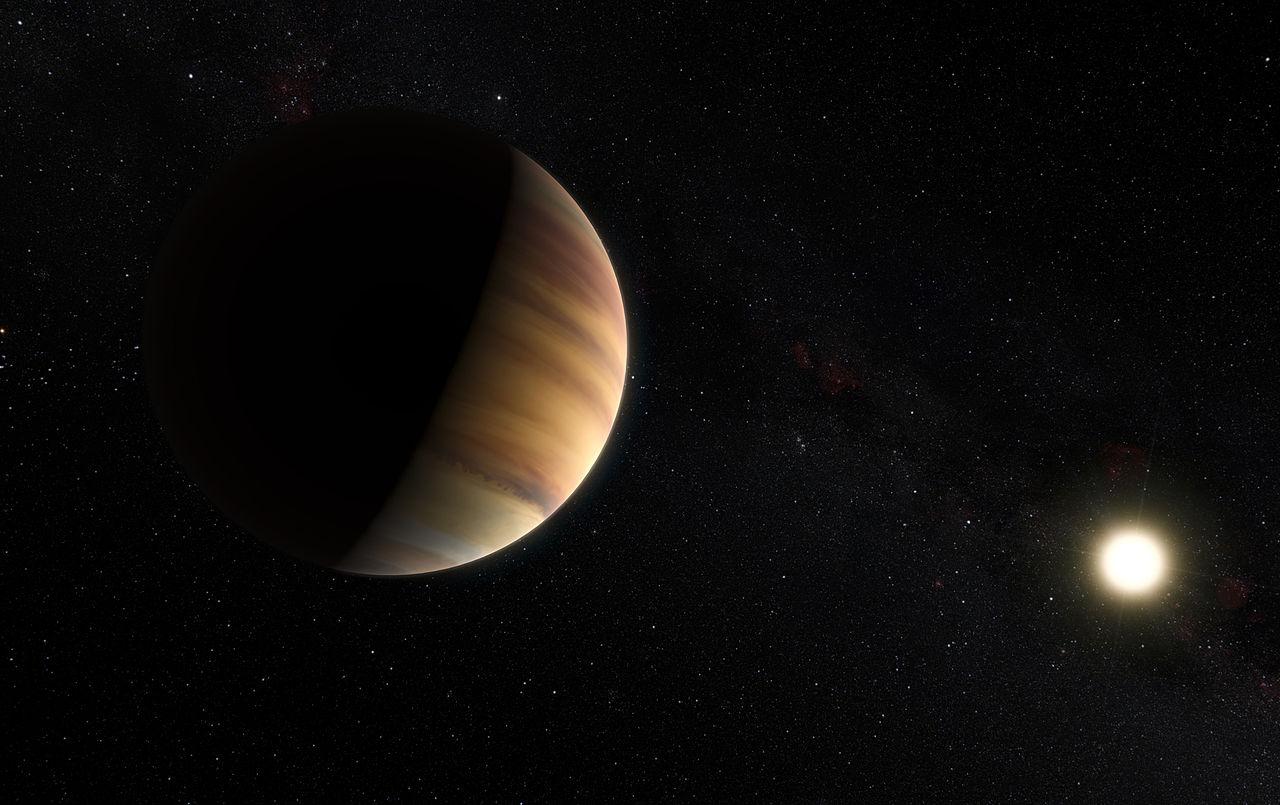
1995: First planet orbiting another sun is discovered
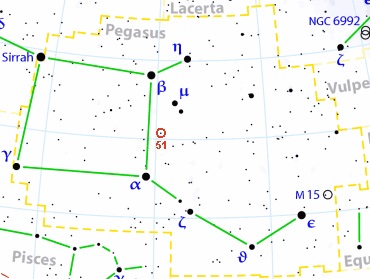
51 Pegasi b (abbreviated 51 Peg b), unofficially dubbed Bellerophon, later formally named Dimidium, is an extrasolar planet approximately 50 light-years away in the constellation of Pegasus. It was the first exoplanet to be discovered orbiting a main-sequence star, the Sun-like 51 Pegasi, and marked a breakthrough in astronomical research. It is the prototype for a class of planets called hot Jupiters.

In 2017, traces of water were discovered in the planet’s atmosphere. After its discovery, many teams confirmed the planet’s existence and obtained more observations of its properties. It was discovered that the planet orbits the star in around 4 days. It is much closer to it than Mercury is to the Sun, moves at an orbital speed of 136 km/s, yet has a minimum mass about half that of Jupiter (about 150 times that of the Earth).
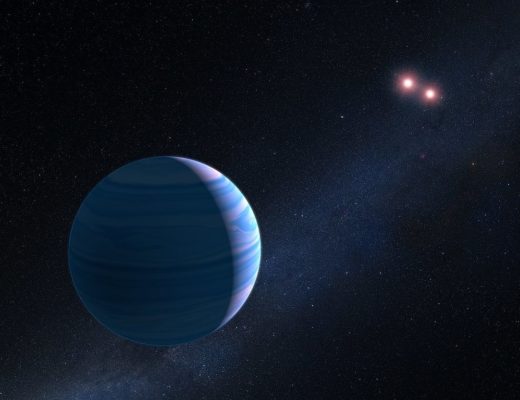
At the time, the presence of a huge world so close to its star was not compatible with theories of planet formation and was considered an anomaly. However, since then, numerous other ‘hot Jupiters’ have been discovered (see 55 Cancri and τ Boötis, for example), and astronomers are revising their theories of planet formation to account for them by studying orbital migration.
Most notable historic snippets or facts extracted from the book ‘On This Day’ first published in 1992 by Octopus Publishing Group Ltd, London, as well as additional supplementary information extracted from Wikipedia.
HAVE YOUR SAY
Like the South Coast Herald’s Facebook page, follow us on Twitter and Instagram
To receive our FREE email newsletter, click HERE