October 12: On This Day in World History … briefly
The story of the witchcraft accusations, trials and executions has captured the imagination of writers and artists in the centuries since the event took place.
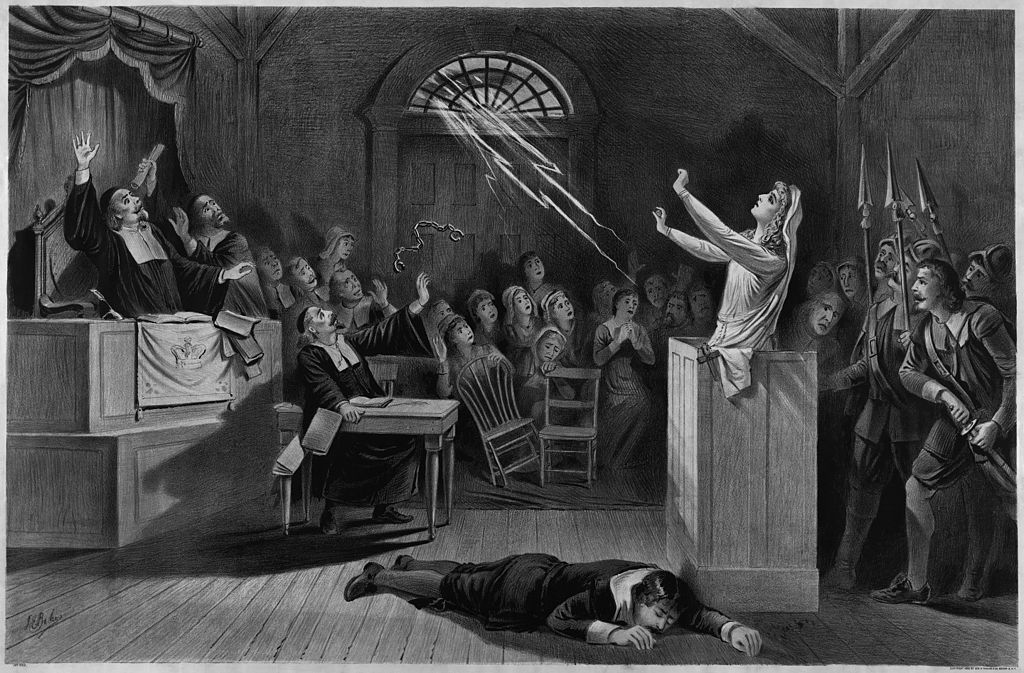
1692: Salem witch trials end
The Salem witch trials were a series of hearings and prosecutions of people accused of witchcraft in colonial Massachusetts between February 1692 and May 1693. More than 200 people were accused, 19 of whom were found guilty and executed by hanging (14 women and 5 men). One other man, Giles Corey, was crushed to death for refusing to plead and at least five people died in jail.
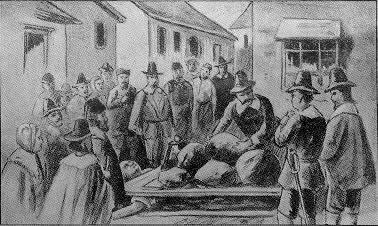
It was the deadliest witch hunt in the history of colonial North America. Twelve other women had previously been executed in Massachusetts and Connecticut during the 17th century. Despite being generally known as the Salem witch trials, the preliminary 1692 hearings were conducted in several towns among which Salem was included, such as Danvers (then known as Salem Village), Ipswich, and Andover. The most infamous trials were conducted by the Court of Oyer and Terminer in 1692 in Salem Town.
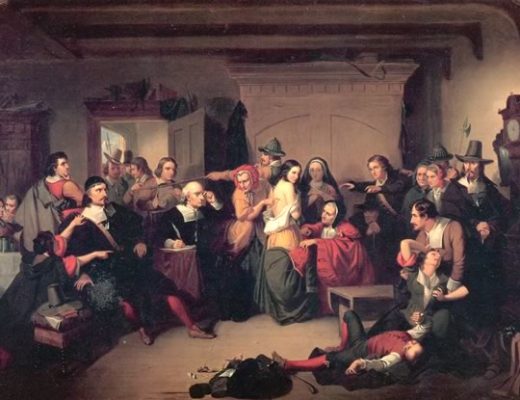
The episode is one of Colonial America’s most notorious cases of mass hysteria. It has been used in political rhetoric and popular literature as a vivid cautionary tale about the dangers of isolationism, religious extremism, false accusations, and lapses in due process. It was not unique, but a Colonial American example of the much broader phenomenon of witch trials in the early modern period, which took place also in Europe. Many historians consider the lasting effects of the trials to have been highly influential in subsequent United States history. According to historian George Lincoln Burr, ‘the Salem witchcraft was the rock on which the theocracy shattered.’
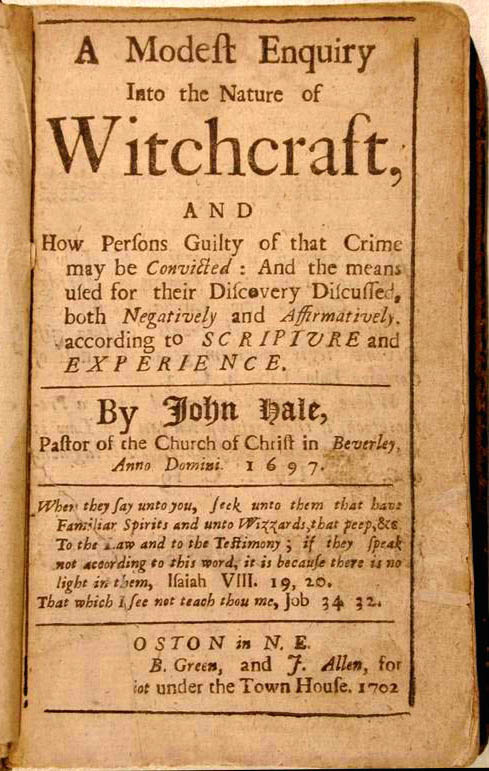
At the 300th anniversary events in 1992 to commemorate the victims of the trials, a park was dedicated in Salem and a memorial in Danvers. In November 2001, an act passed by the Massachusetts legislature exonerated five people, while another one, passed in 1957, had previously exonerated six other victims. As of 2004, there was still talk about exonerating all the victims, though some think that happened in the 19th century as the Massachusetts colonial legislature was asked to reverse the attainders of ‘George Burroughs and others’. In January 2016, the University of Virginia announced its Gallows Hill Project team had determined the execution site in Salem, where the 19 ‘witches’ had been hanged.
I hereby declare that as soon as I came from fighting … and understood what danger some of their innocent subjects might be exposed to, if the evidence of the afflicted persons only did prevaile either to the committing or trying any of them, I did before any application was made unto me about it put a stop to the proceedings of the Court and they are now stopt till their Majesties pleasure be known.
— Governor Phips, Boston, October 12, 1692
Most notable historic snippets or facts extracted from the book ‘On This Day’ first published in 1992 by Octopus Publishing Group Ltd, London, as well as additional supplementary information extracted from Wikipedia.
HAVE YOUR SAY
Like the South Coast Herald’s Facebook page, follow us on Twitter and Instagram
To receive our FREE email newsletter, click HERE