October 20: On This Day in World History … briefly
Though often classed as a realist, Lawrence in fact uses his characters to give form to his personal philosophy. His depiction of sexuality, though seen as shocking when his work was first published in the early 20th century, has its roots in this highly personal way of thinking and being.
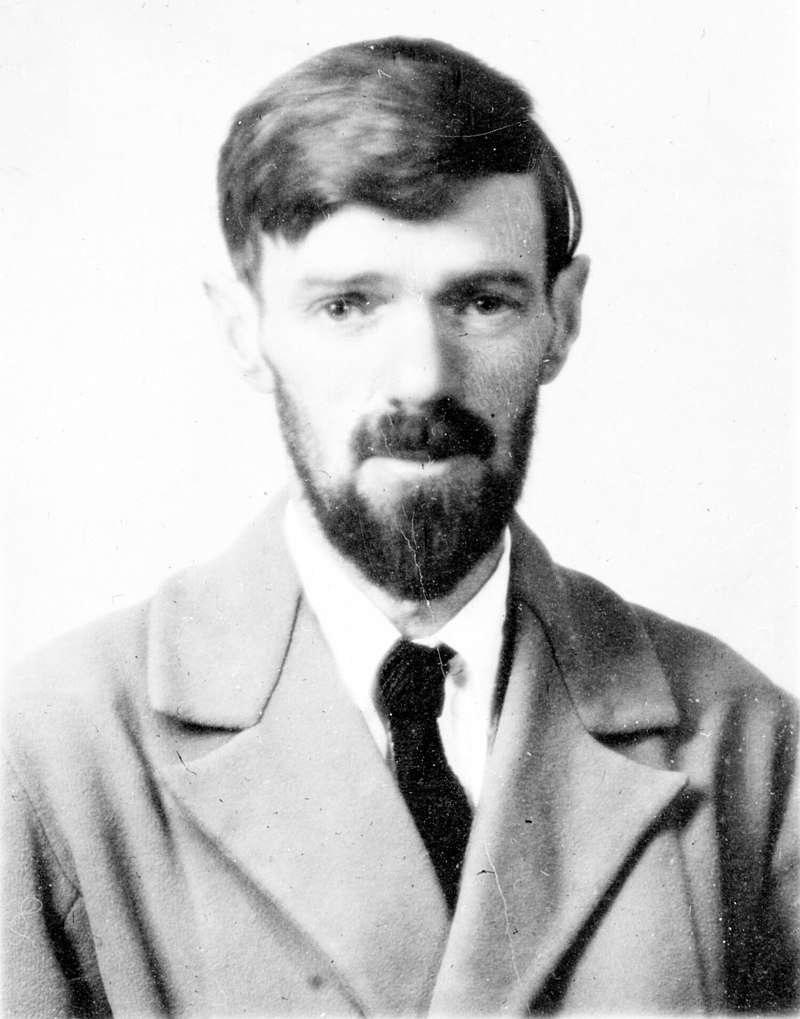
1960: Lawrence’s ‘Lover’ gets Britain buzzing
Writer DH Lawrence’s last novel ‘Lady Chatterley’s Lover’, the unexpurgated version of which was banned in England for thirty years, was the subject of a court case which opened in London on October 20, 1960.
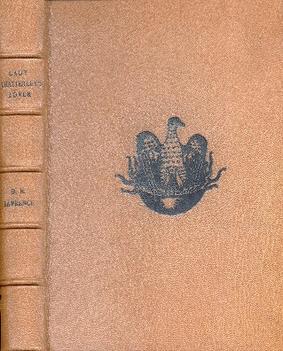
Penguin Books were prosecuted for publishing Lawrence’s original full text, deemed by the Crown to be obscene. To equip them for the case, the jury was told to read the book.
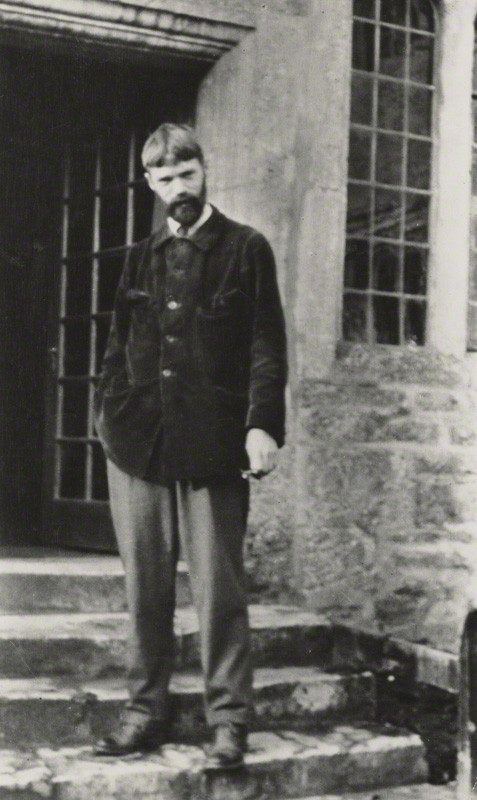
Penguin won the case, and quickly sold 3 million copies. The book was also banned for obscenity in the United States (1929–59), Canada, Australia, India, and Japan. The book soon became notorious for its story of the physical (and emotional) relationship between a working class man and an upper class woman, its explicit descriptions of sex, and its use of then-unprintable (four-letter) words.
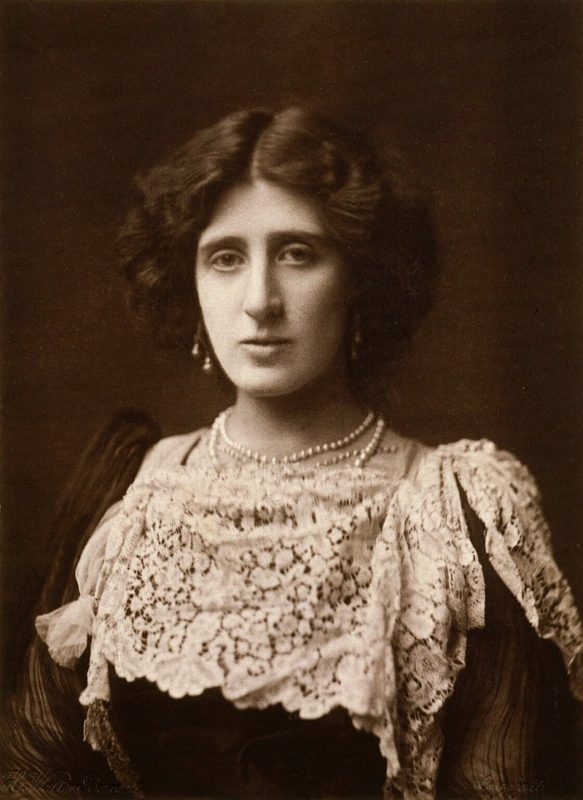
The story is said to have originated from certain events in Lawrence’s own unhappy domestic life, and he took inspiration for the settings of the book from the county of Nottinghamshire, where he grew up. According to some critics, the fling of Lady Ottoline Morrell with ‘Tiger’, a young stonemason who came to carve plinths for her garden statues, also influenced the story. Lawrence at one time considered calling the novel ‘Tenderness’, and made significant alterations to the text and story in the process of its composition.
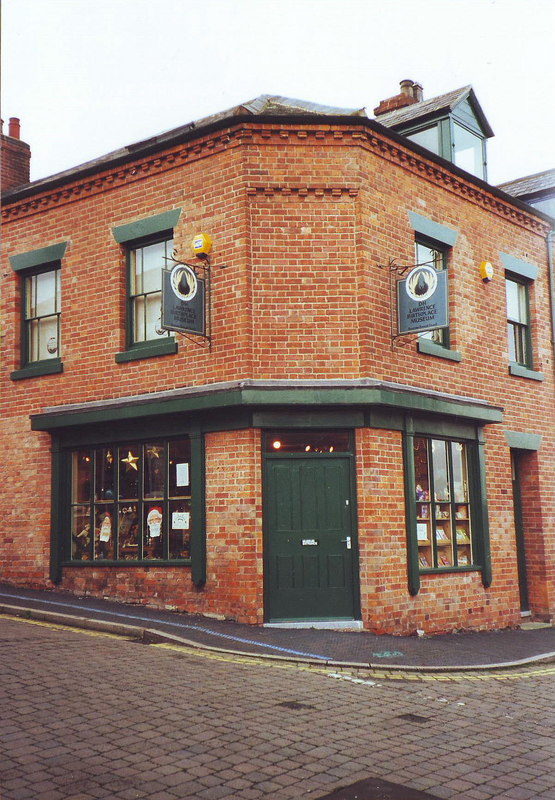
His last significant work was a reflection on the Book of Revelation, Apocalypse. After being discharged from a sanatorium, he died on 2 March 1930 at the Villa Robermond in Vence, France, from complications of tuberculosis.
Most notable historic snippets or facts extracted from the book ‘On This Day’ first published in 1992 by Octopus Publishing Group Ltd, London, as well as additional supplementary information extracted from Wikipedia.
HAVE YOUR SAY
Like the South Coast Herald’s Facebook page, follow us on Twitter and Instagram
To receive our FREE email newsletter, click HERE